







India’s debate on the right to disconnect has resurfaced with renewed urgency, driven by rising burnout and increasing concern over work-life balance. While the idea of reclaiming evenings and personal time is emotionally compelling, experts argue that legislating disconnection without first defining the value of working hours could create unintended consequences.
Unlike Europe and the UK, India largely evaluates white-collar work through monthly salaries rather than hourly compensation. This lack of clarity means employees often do not know the value of their time, while companies do not measure the real cost of overtime. As a result, extended working hours and constant availability have become normalised across sectors.
Surveys show that workplace stress and burnout are rising rapidly in urban India, yet employees hesitate to push back because time and compensation boundaries are unclear. Analysts argue that introducing a minimum hourly wage framework for salaried professionals would bring transparency, rationalise workloads, and make overtime measurable rather than emotional.
Without this structural reset, a right to disconnect could slow salary growth, push employers toward contract-based hiring, and fail to improve productivity. Global examples from France and Japan show that limiting work hours without pay transparency often increases pressure rather than reducing it.
Experts believe that defining the value of work first—through hourly clarity and outcome-based incentives—would naturally allow healthier boundaries to emerge. Only then can the right to disconnect function as a sustainable reform rather than a temporary fix. If India gets the sequencing right, it could create a future of work that balances ambition with well-being and growth with compassion.
ନୂଆଦିଲ୍ଲୀ: ଏସିଆନ୍ ଗେମ୍ସ ୨୦୨୬ରେ ଭାରତର ପଦକ ଅଭିଯାନ ରୌ...
ମୁମ୍ବାଇର ମେରାଇନ୍ ଡ୍ରାଇଭ୍‌ରୁ ହାଜି ଅଲୀ ଦିଗକୁ ଯା...

ଓଡ଼ିଆ ପ୍ରତିଭାଙ୍କୁ ରାଇନାଙ୍କ ସମର୍ଥନ ରାଇନା କହିଛନ୍ତ...
ଚେନ୍ନାଇ: ତାମିଲନାଡୁର TASMAC ରିଟେଲ୍‌ ମଦ ଦୋକାନର...
ଇନ୍ଦୋର: ରାହୁଲ ଗାନ୍ଧୀଙ୍କ ‘ଛାତ୍ରୋଁ କି ଗୁଞ୍ଜ&rs...
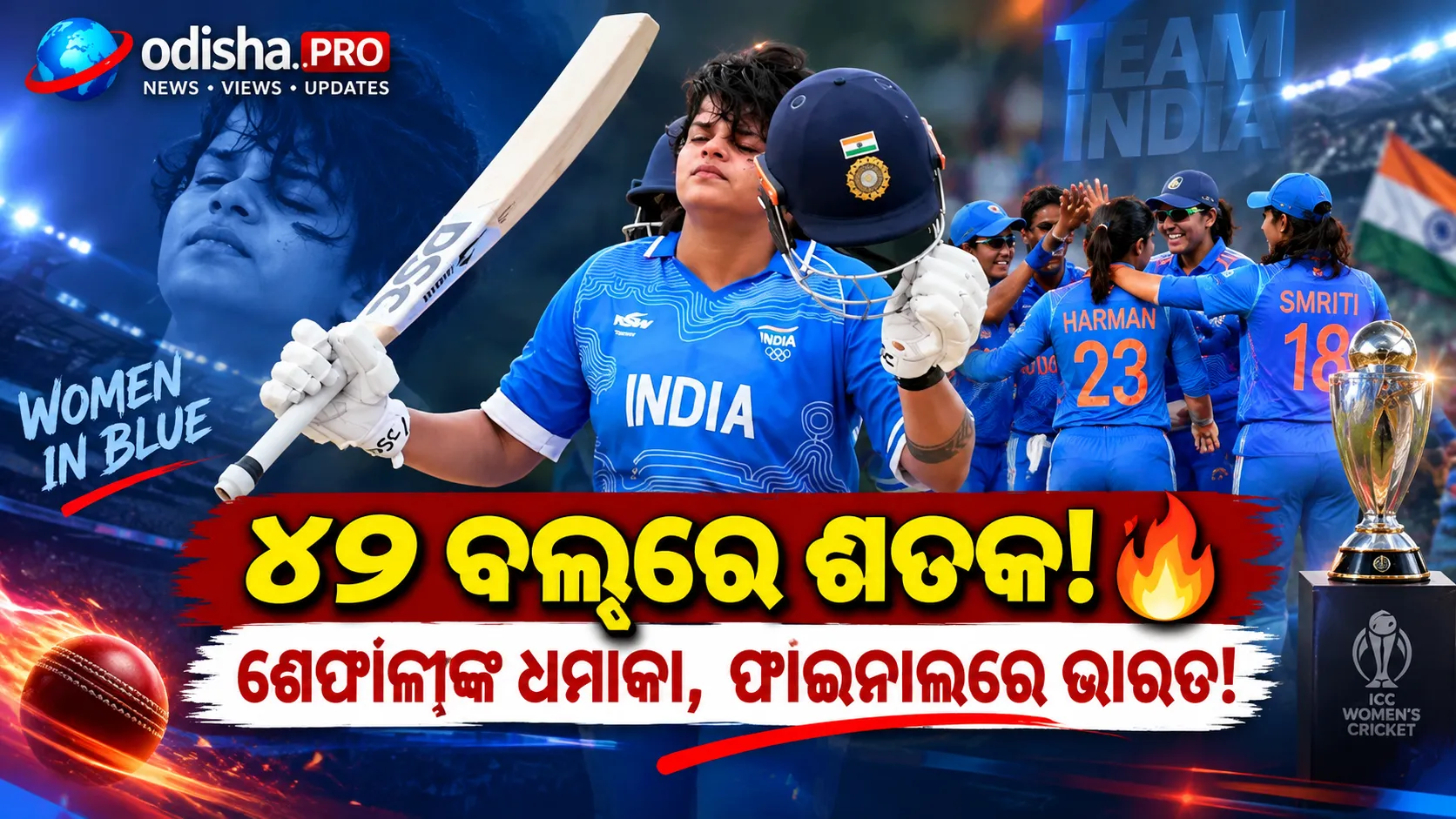
୪୯ ବଲ୍‌ରେ ଶେଫାଳୀଙ୍କ ଐତିହାସିକ ଶତକ ଭାରତର ଓପନ...

ଦୀପିକାଙ୍କ ଦମଦାର ପ୍ରଦର୍ଶନ ଉଜବେକିସ୍ତାନ ବିପକ୍ଷରେ ଭ...
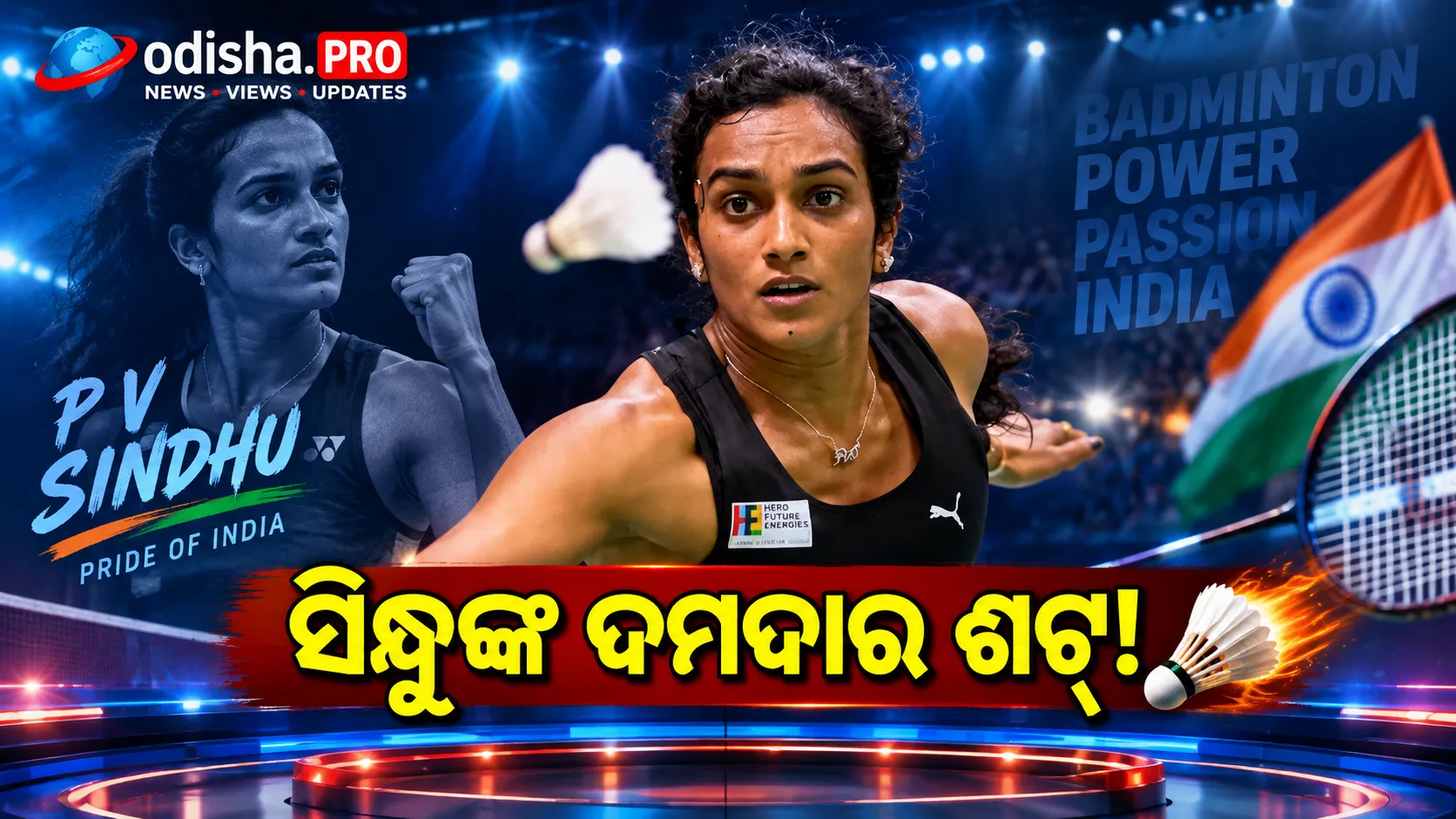
ସିନ୍ଧୁଙ୍କଠାରୁ ଦମଦାର ଆରମ୍ଭ ପ୍ରଥମ ରବରରେ ପିଭି ସିନ୍...