



Indian medicines are fast gaining ground in Afghanistan, pushing out Pakistani pharmaceutical products that once dominated the market, according to accounts from Afghan consumers and trade data. The shift comes amid deteriorating ties between Pakistan and the Taliban-led Afghan administration, coupled with India’s expanding humanitarian and commercial engagement with Kabul.
An Afghan blogger, Fazal Afghan, recently shared his experience of buying paracetamol in Afghanistan, claiming that Indian-made medicines were significantly cheaper and more effective than Pakistani or Turkish alternatives. He said a pack of Indian paracetamol tablets cost just 10 Afghanis, compared to 40 Afghanis for a similar foreign brand, adding that Indian medicines were increasingly preferred by pharmacists and customers alike.
This anecdotal evidence reflects a wider transformation in Afghanistan’s pharmaceutical market. Until late 2025, Pakistan accounted for more than 70 percent of Afghanistan’s medicine supply, benefiting from proximity and established land routes. However, following repeated border clashes and political tensions, Afghanistan imposed an outright ban on Pakistani medicines in October–November 2025, citing poor quality concerns.
The ban triggered severe shortages of essential drugs, including antibiotics, insulin and heart medications, forcing Afghan authorities and traders to urgently seek alternatives. India stepped in during this crisis, airlifting 73 tonnes of life-saving medical supplies to Kabul in November 2025. Indian pharmaceutical exports to Afghanistan surged, reaching $108 million in FY 2024–25, with estimates suggesting exports of nearly $100 million more during the remainder of 2025.
India’s assistance has gone beyond emergency shipments. Over the past four years, New Delhi has supplied more than 327 tonnes of medical aid, dispatched vaccines, ambulances and advanced medical equipment, and committed to building hospitals, maternity clinics and specialised treatment centres across Afghanistan. Plans are also underway to send Indian doctors to train Afghan medical professionals and set up medical camps.
Commercial ties are strengthening alongside humanitarian efforts. Indian pharma majors are expanding their footprint, with Zydus Lifesciences signing a $100 million agreement with Afghanistan’s Rofi’s International Group in November 2025. The deal includes exports, technology transfer and the eventual establishment of local manufacturing facilities. Talks are also ongoing with other Indian pharmaceutical bodies for joint investments and production units.
As a result, India now holds an estimated 12–15 percent share of Afghanistan’s pharmaceutical market, a figure expected to grow as Pakistani exports continue to shrink. The growing preference for Indian medicines among Afghan consumers highlights a broader realignment in regional trade, turning healthcare into a key arena where India is steadily outpacing Pakistan’s influence in Afghanistan.
ରାଜଧାନୀ ଦିଲ୍ଲୀର ଜନ୍ତର ମନ୍ତରରେ ଚାଲିଥିବା ଛାତ୍ର ଆନ୍ଦୋ...
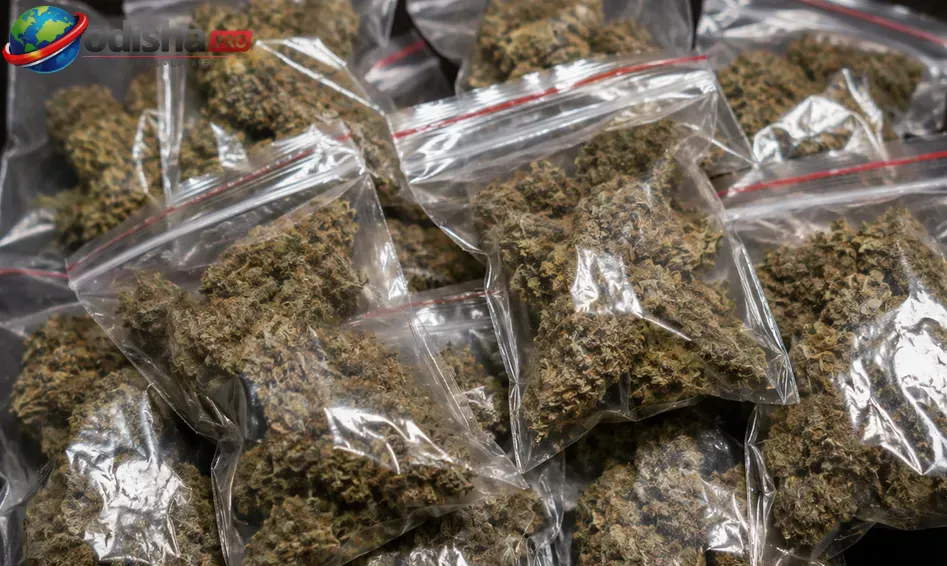
ଅନୁଗୁଳ ଜିଲ୍ଲାର ଆଠମଲ୍ଲିକ ଅଞ୍ଚଳରେ ଅବକାରୀ ବିଭାଗକୁ ଏକ...

ଫିଲ୍ମୀ ଶୈଳୀରେ ଏକ ହୀରା ଚୋରି ଘଟଣା ଏବେ ଚର୍ଚ୍ଚାର ବିଷୟ...

ସାଇବର ଠକମାନେ ଏବେ ସୋସିଆଲ ମିଡିଆ ପ୍ଲାଟଫର୍ମ ‘X&r...

ରାଜ୍ୟରେ ଲଗାଣ ବର୍ଷା ଜାରି ରହିଥିବା ବେଳେ ବାଲେଶ୍ୱର ଜିଲ୍...
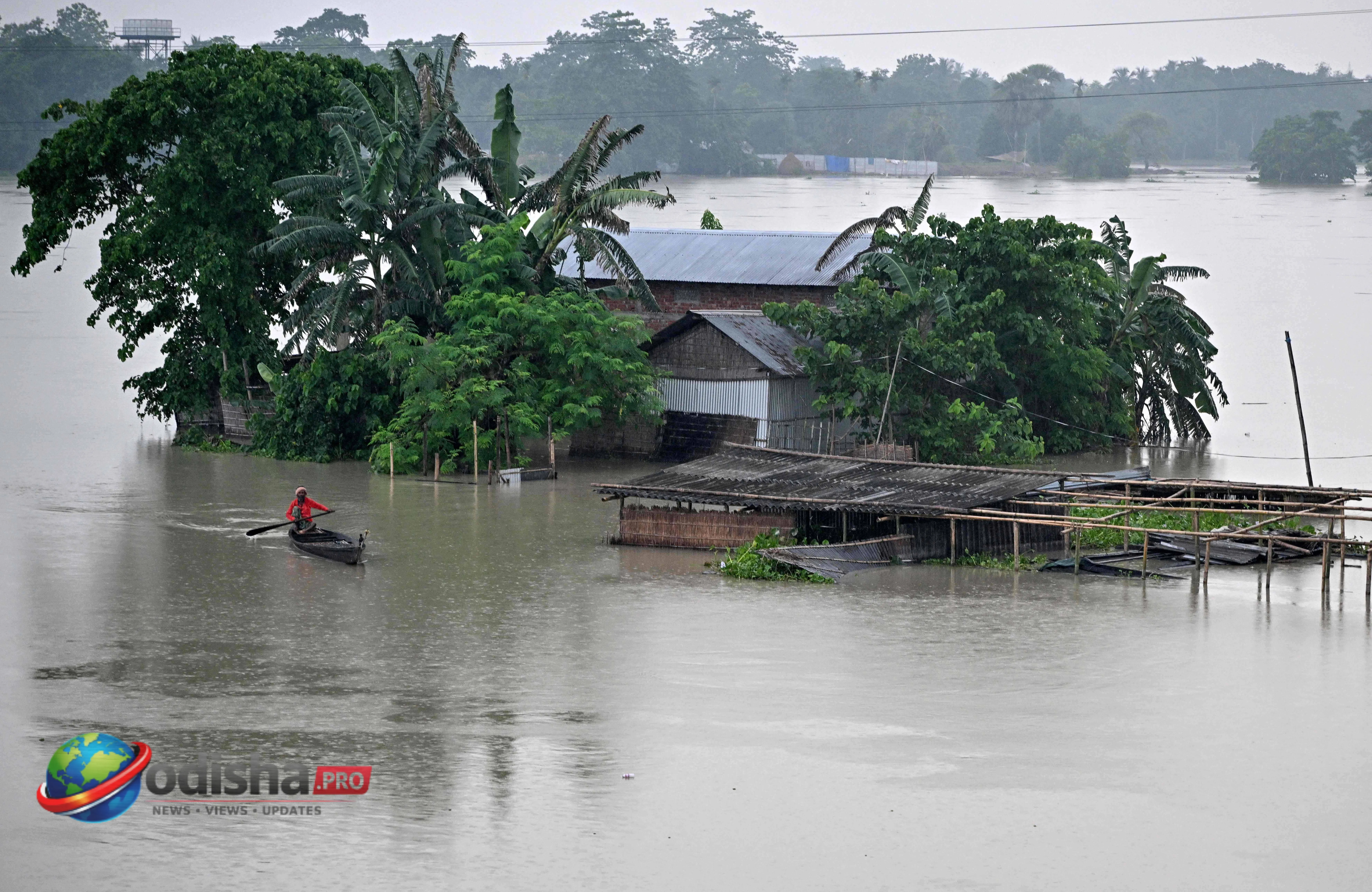
ଲଗାଣ ବର୍ଷା ପରେ ଆସାମରେ ପ୍ରକୃତିର ପ୍ରଳୟଙ୍କରୀ ରୂପ ଦେଖି...

ଦିଲ୍ଲୀର ଜନ୍ତର ମନ୍ତରରେ **‘କୋକରୋଚ୍ ଜନତା ପାର୍ଟି...

ଲଘୁଚାପ ପ୍ରଭାବରେ ଲଗାଣ ବର୍ଷା ଯୋଗୁଁ ଢେଙ୍କାନାଳ ଜିଲ୍ଲାର...

ଦିଲ୍ଲୀ-ଏନ୍‌ସିଆରରେ ପାଗରେ ହଠାତ୍ ପରିବର୍ତ୍ତନ ଦେଖା...

ସଂସଦର ମୌସୁମୀ ଅଧିବେଶନର ଆଜି ତୃତୀୟ ଦିନ। ଗତ ଦୁଇ ଦିନ ଧର...

ସଂସଦର ମୌସୁମୀ ଅଧିବେଶନର ତୃତୀୟ ଦିନ ବୁଧବାର ବିରୋଧୀ ସାଂସ...