








India is set to transition into an upper-middle-income country by 2030, joining the ranks of China and Indonesia, and is expected to become the world’s third-largest economy as early as 2028, according to an SBI Research report.
The World Bank classifies countries based on per capita GNI, and India’s journey reflects a steady climb up the income ladder. Since Independence, India took 60 years to move from a low-income to a lower-middle-income country in 2007, with per capita GNI rising from $90 in 1962 to $910 in 2007. Economic milestones followed rapidly: India reached $1 trillion GDP in 2007, $2 trillion in 2014, $3 trillion in 2021, $4 trillion in 2025, and is projected to reach $5 trillion by 2027–28.
Per capita income has also surged—$1,000 in 2009, $2,000 in 2019, $3,000 in 2026, and a projected $4,000 by 2030, enabling the upper-middle-income classification. India’s growth has consistently outperformed global averages, placing it in the upper tail of worldwide GDP growth rankings.
Looking ahead, achieving high-income status by 2047 would require sustained reforms and a CAGR of 7.5–8.9% in per capita GNI, depending on future thresholds. Nominal GDP growth in dollar terms of around 11–11.5% appears feasible, reflecting India’s pre-pandemic performance.
SBI Research also notes that India is likely to surpass Germany to become the world’s third-largest economy by 2028, with projections of $5 trillion GDP by 2027–28 and $10 trillion by 2035–36. Sustained reforms and continued economic growth are key to realizing these milestones.
ନିଜକୁ IAS ଅଧିକାରୀ ପରିଚୟ ଦେଇ ଲୋକଙ୍କୁ ଠକୁଥିବା ଅଭିଯୋଗ...
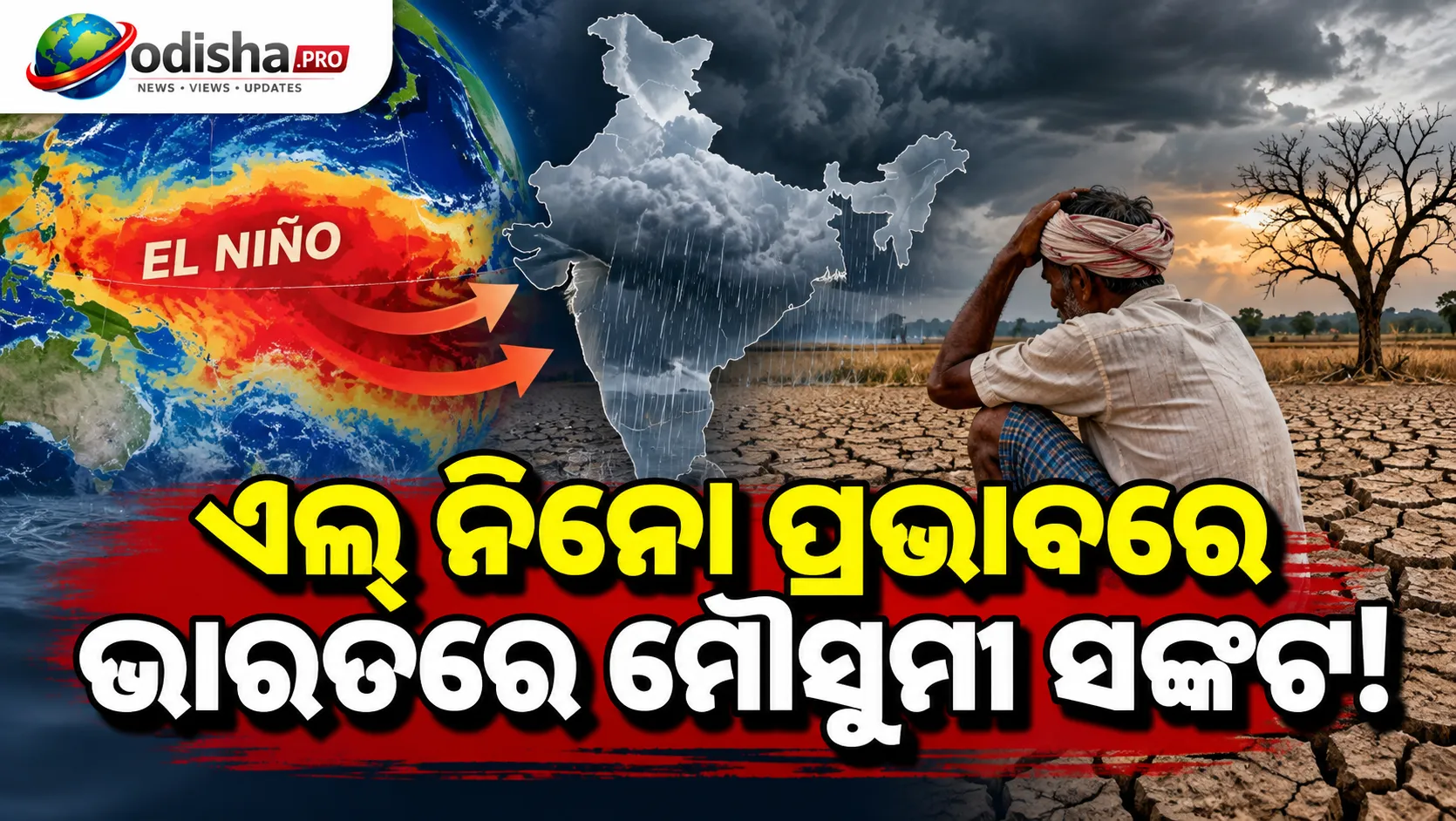
ଭାରତ ଏଥର ଦୀର୍ଘ ସମୟ ପରେ ଏକ ଦୁର୍ବଳ ମୌସୁମୀ ଋତୁର ସାମ୍ନ...

୨୦୨୬ର ପୋଷ୍ଟ-ମୌସୁମୀ ଋତୁକୁ ନେଇ ବାତ୍ୟା କାର୍ଯ୍ୟକଳାପର ଏ...
କେନ୍ଦ୍ରାପଡ଼ା ଜିଲ୍ଲା କୋରୁଆ ବଜାରରେ ଅବସରପ୍ରାପ୍ତ ଜଣେ ବ...
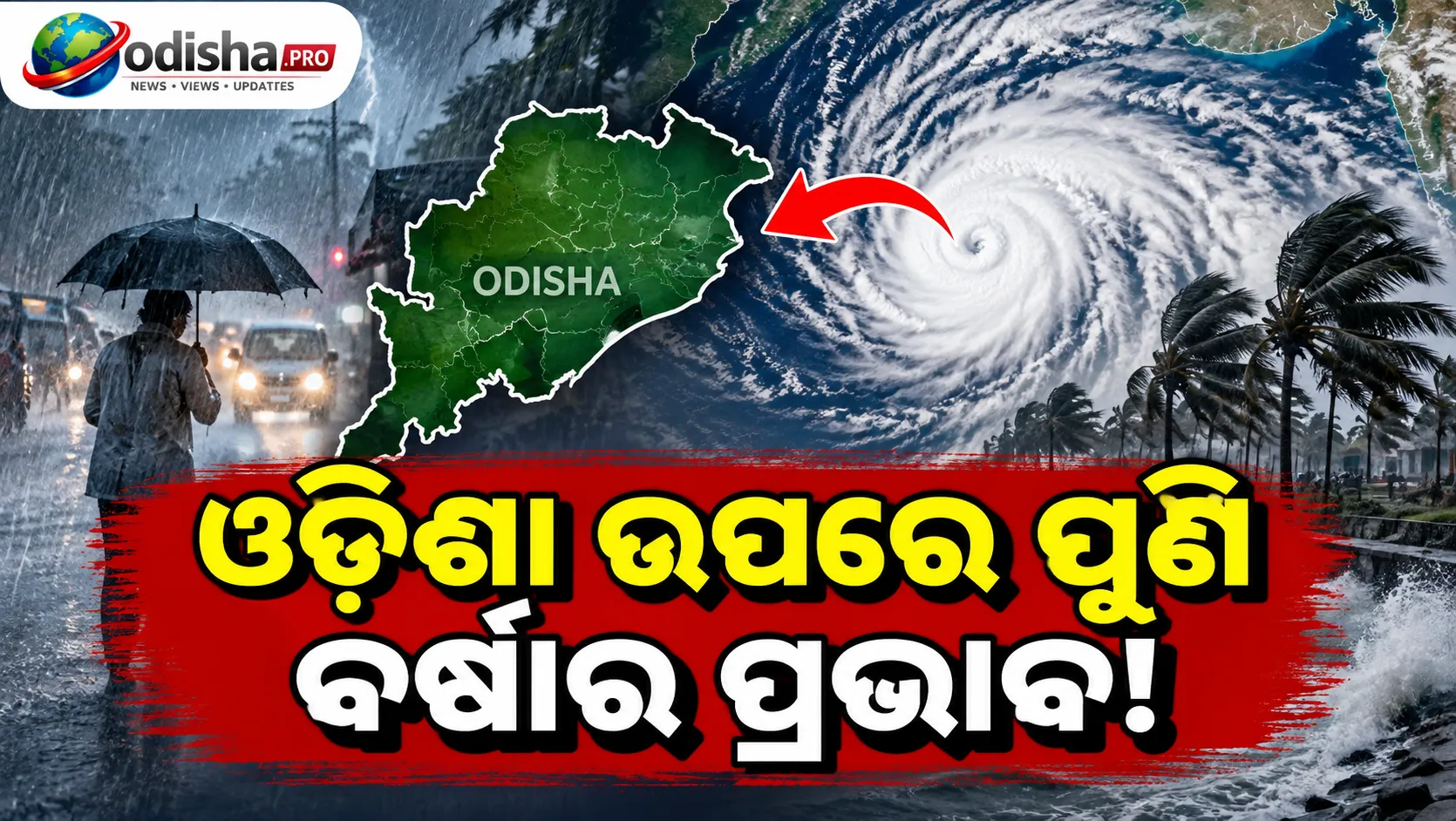
ଆଣ୍ଡାମାନ ସାଗରରେ ନୂଆ ପାଣିପାଗ ପ୍ରଣାଳୀ ଗଠନକୁ ନେଇ ଓଡ଼ି...
ଓଡ଼ିଶା ବିଧାନସଭାର ମୌସୁମୀ ଅଧିବେଶନ ଆସନ୍ତା ସେପ୍ଟେମ୍ବର...
ଭଦ୍ରକ ଜିଲ୍ଲା ଚାନ୍ଦବାଲି ଥାନା ଅଧୀନ ପାଇକିରାପୁର ଗାଁରେ...
କେରଳରେ ମନ୍ତ୍ରୀଙ୍କ ସରକାରୀ ଯାତ୍ରା ପାଇଁ ବ୍ୟକ୍ତିଗତ Ran...
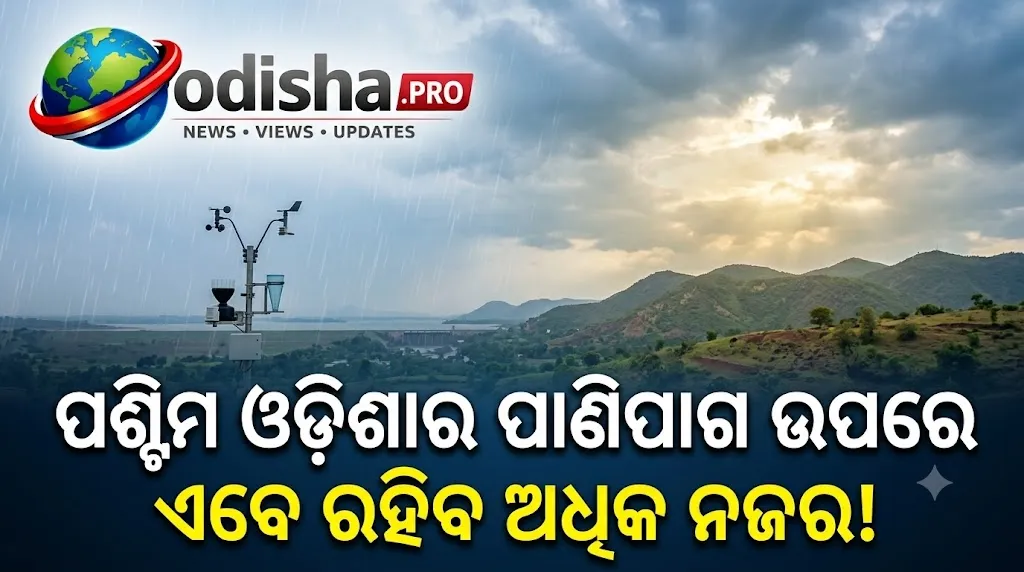
ପଶ୍ଚିମ ଓଡ଼ିଶାର ପାଣିପାଗ ପୂର୍ବାନୁମାନ ବ୍ୟବସ୍ଥାକୁ ମିଳି...
ପଶ୍ଚିମବଙ୍ଗର ରେଜିନଗର ଉପନିର୍ବାଚନକୁ ନେଇ ଶନିବାର ମମତା ବ...
ହାଇୱେ କଡ଼ରୁ ଜଣେ ଅଜଣା ବ୍ୟକ୍ତିଙ୍କ ମୃତଦେହ ମିଳିବା ପରେ...
ବଢ଼ୁଥିବା ଖାଦ୍ୟଦ୍ରବ୍ୟ ଦରକୁ ନେଇ କଂଗ୍ରେସ ନେତା ଜୟରାମ ର...