







The amended law updates three key statutes—the Insurance Act, LIC Act and IRDAI Act—and strengthens the role of Insurance Regulatory and Development Authority of India. Instead of spelling out new consumer rights in detail, the law focuses on giving the regulator sharper enforcement tools.
Key changes include:
Greater powers for IRDAI to issue binding directions
Higher penalties linked to policyholder harm
Authority to order disgorgement of wrongful gains
Regulation of commissions and incentives
Mandatory electronic records of policies and claims
These steps aim to improve transparency and discipline across the insurance industry.
That is where expectations need tempering. The law does not:
Fix statutory timelines for claim settlement
Mandate automatic penalties for delays
Directly alter how claims are processed
Experts describe the reform as “evolutionary, not transformative.” While IRDAI already sets claim timelines through regulations, the real issue has been inconsistent monitoring and enforcement, not the absence of rules.
Industry specialists agree the biggest shift is enforcement power, not new rights. If IRDAI actively uses its expanded authority—by penalising repeat offenders, publicly naming violations, and forcing corrective action—insurers may become more cautious about delaying or unfairly rejecting claims.
However, challenges remain:
Grievance redressal and ombudsman systems are still slow
Disputed health claims involving medical interpretation may continue to drag
Many consumers lack the time or resources to pursue complaints
In the short term:
Limited change in day-to-day claim experience
Over the next few years:
More insurers and competition
Better digital processes and record-keeping
Potentially fewer opaque rejections, if enforcement tightens
The new insurance law strengthens the referee rather than rewriting the rules of the game. Claim settlements will improve only if the regulator consistently and firmly enforces existing norms. For policyholders, the true impact will be felt not in the text of the law, but in how smoothly their next claim is processed.
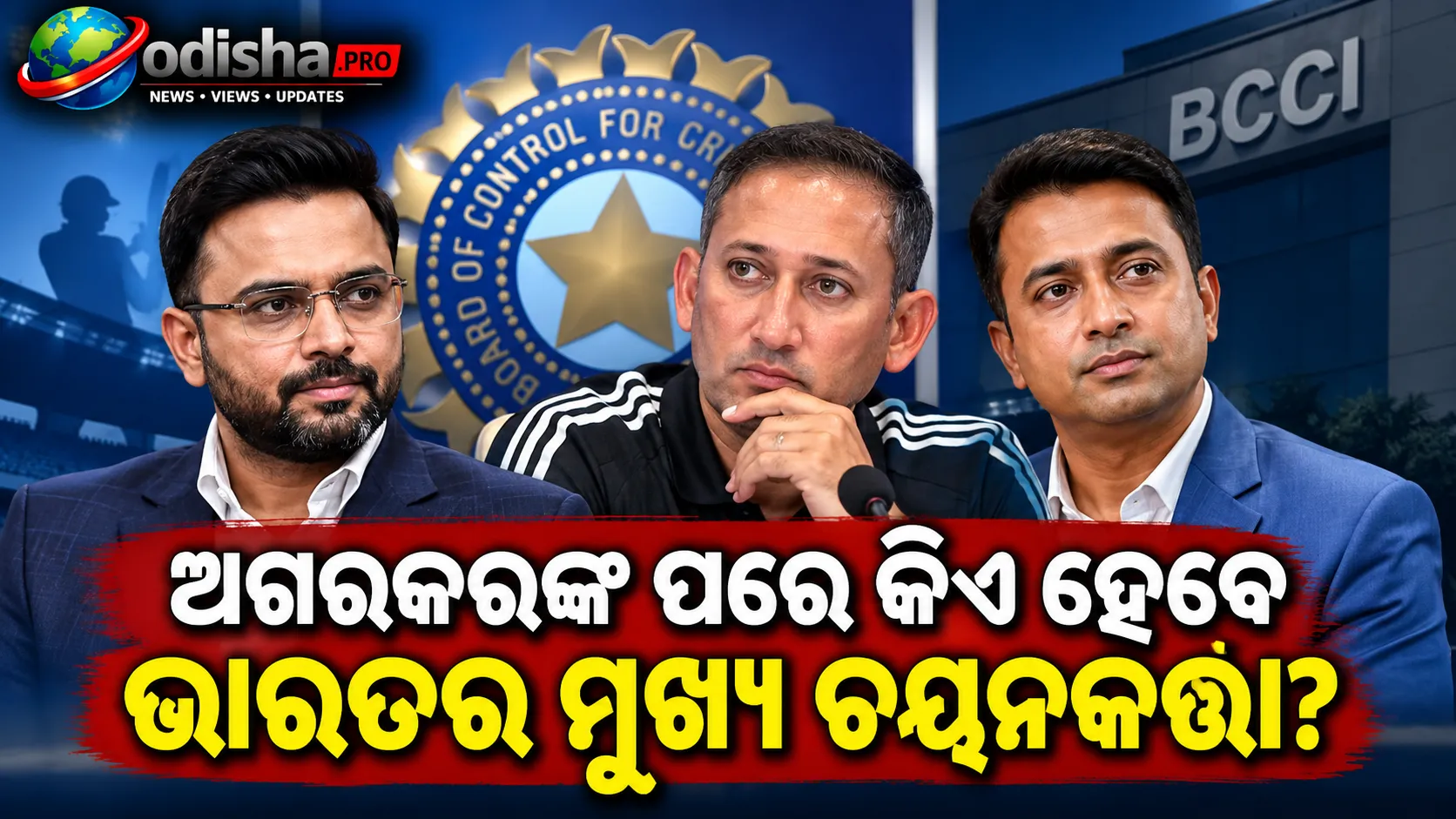
ଭାରତୀୟ କ୍ରିକେଟ୍ କଣ୍ଟ୍ରୋଲ୍ ବୋର୍ଡ (BCCI)ର ମୁଖ୍ୟ ଚୟନକ...
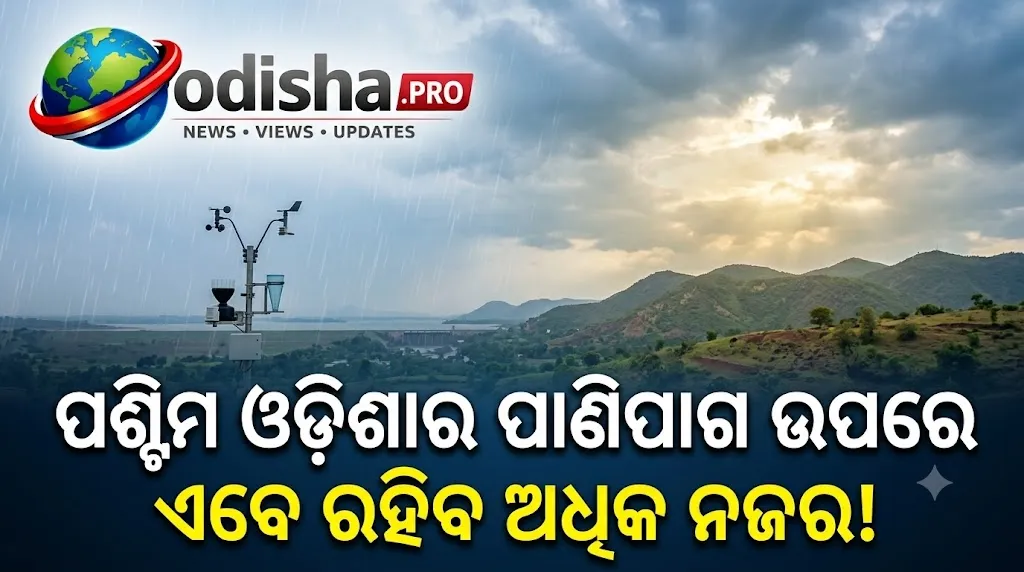
ପଶ୍ଚିମ ଓଡ଼ିଶାର ପାଣିପାଗ ପୂର୍ବାନୁମାନ ବ୍ୟବସ୍ଥାକୁ ମିଳି...
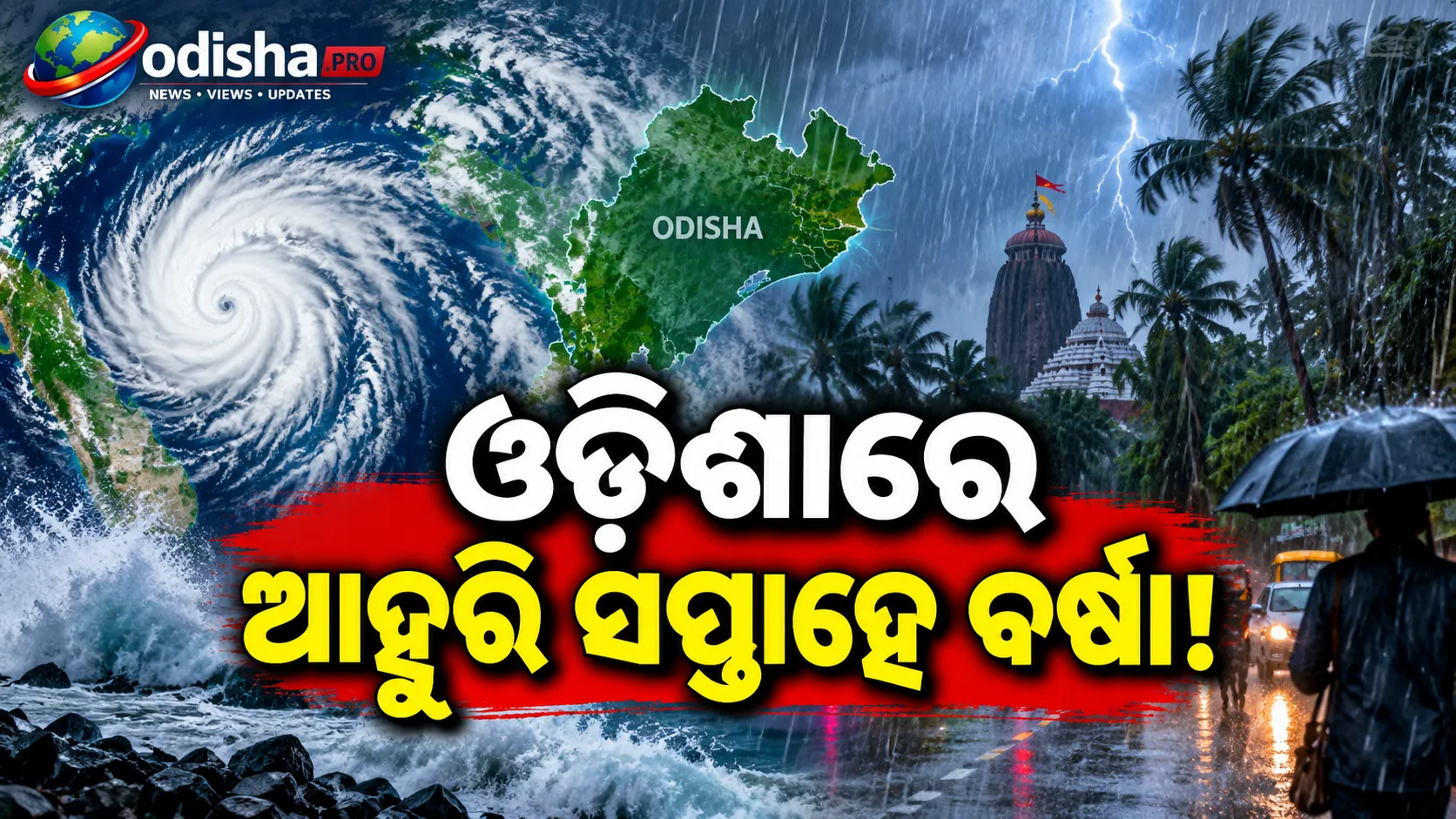
୨୦୨୬ର ପୋଷ୍ଟ-ମୌସୁମୀ ଋତୁକୁ ନେଇ ବାତ୍ୟା କାର୍ଯ୍ୟକଳାପର ଏ...

ହାଇୱେ କଡ଼ରୁ ଜଣେ ଅଜଣା ବ୍ୟକ୍ତିଙ୍କ ମୃତଦେହ ମିଳିବା ପରେ...
ନୂଆଦିଲ୍ଲୀର ଅରୁଣ ଜେଟଲୀ ଷ୍ଟାଡିୟମରେ ଆଫଗାନିସ୍ତାନ ବିପକ୍...
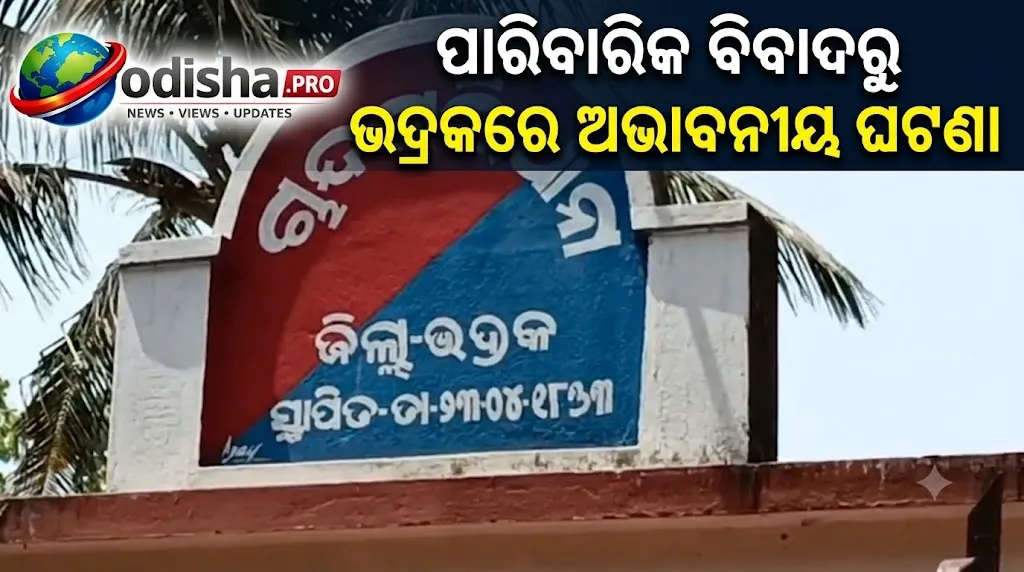
ଭଦ୍ରକ ଜିଲ୍ଲା ଚାନ୍ଦବାଲି ଥାନା ଅଧୀନ ପାଇକିରାପୁର ଗାଁରେ...
ଭାରତୀୟ କ୍ରିକେଟର ପୃଥ୍ୱୀ ଶ’ ଓ ଆକୃତି ଅଗ୍ରୱାଲଙ୍କ...
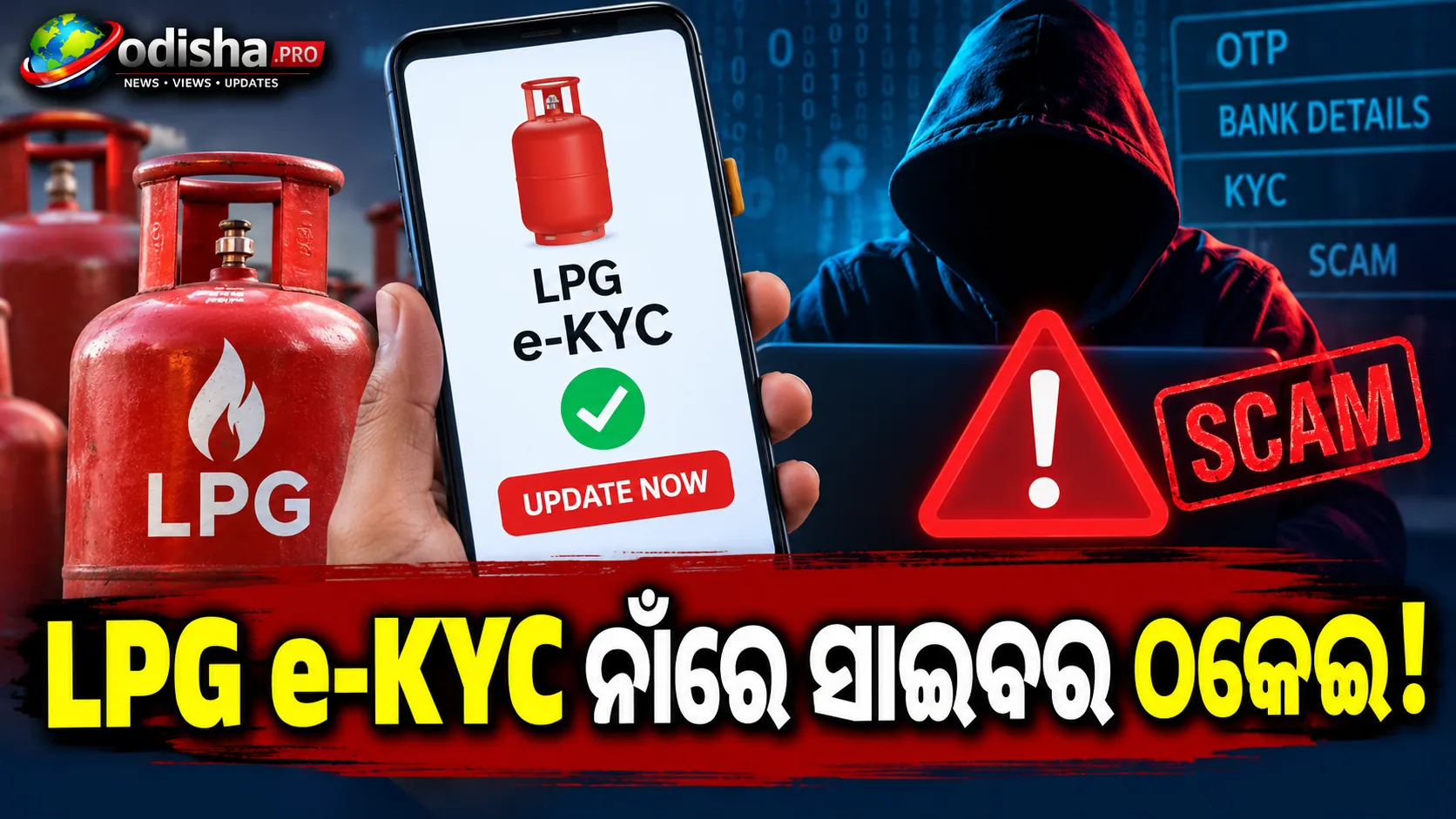
LPG ଗ୍ୟାସ ଉପଭୋକ୍ତାଙ୍କ ମଧ୍ୟରେ ଇ-କେୱାଇସି ପ୍ରକ୍ରିୟାକୁ...
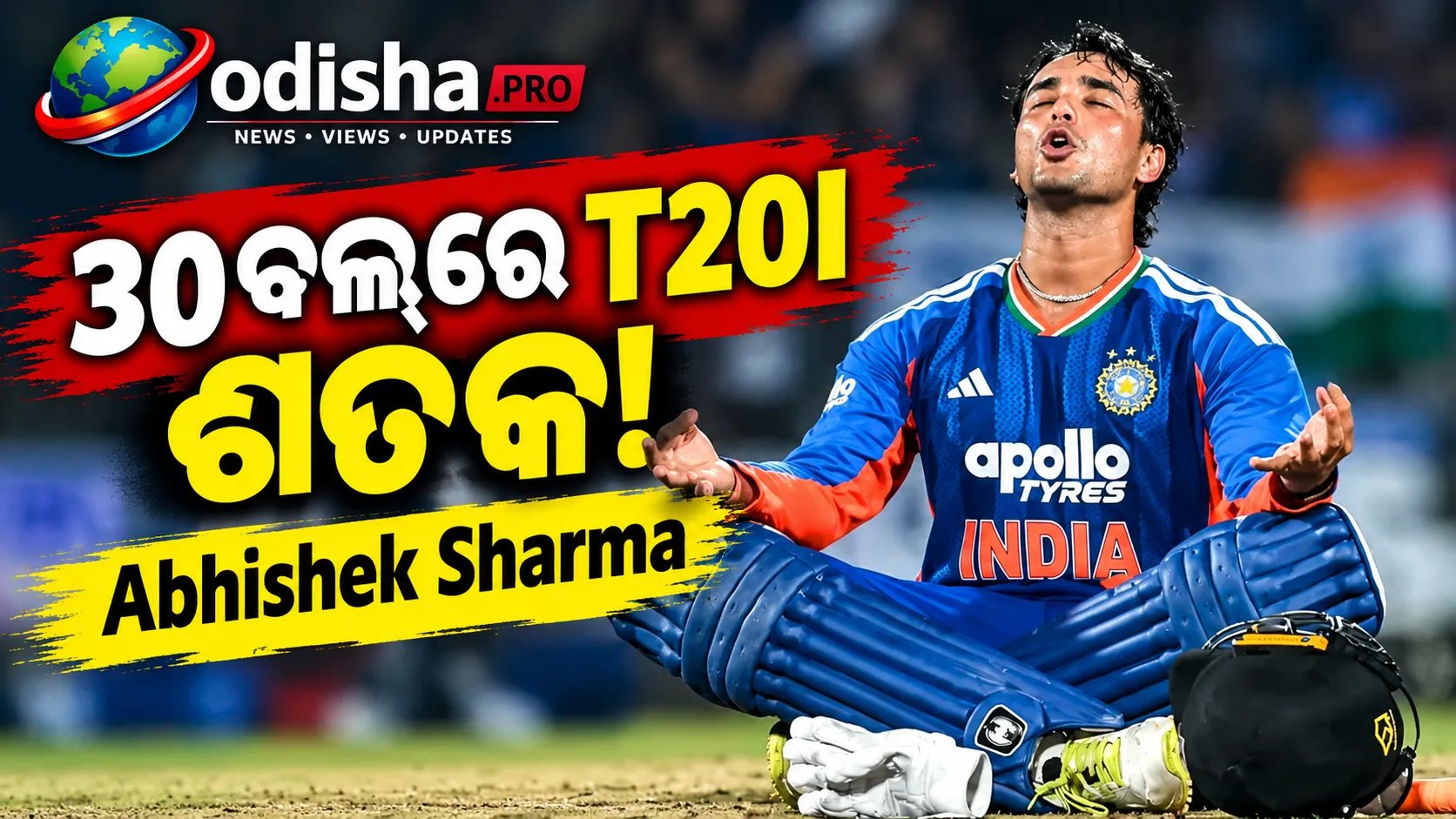
କ୍ରିକେଟ ପଡ଼ିଆରେ ବିସ୍ଫୋରକ ବ୍ୟାଟିଂ ପାଇଁ ପରିଚିତ ପୂର୍ବ...
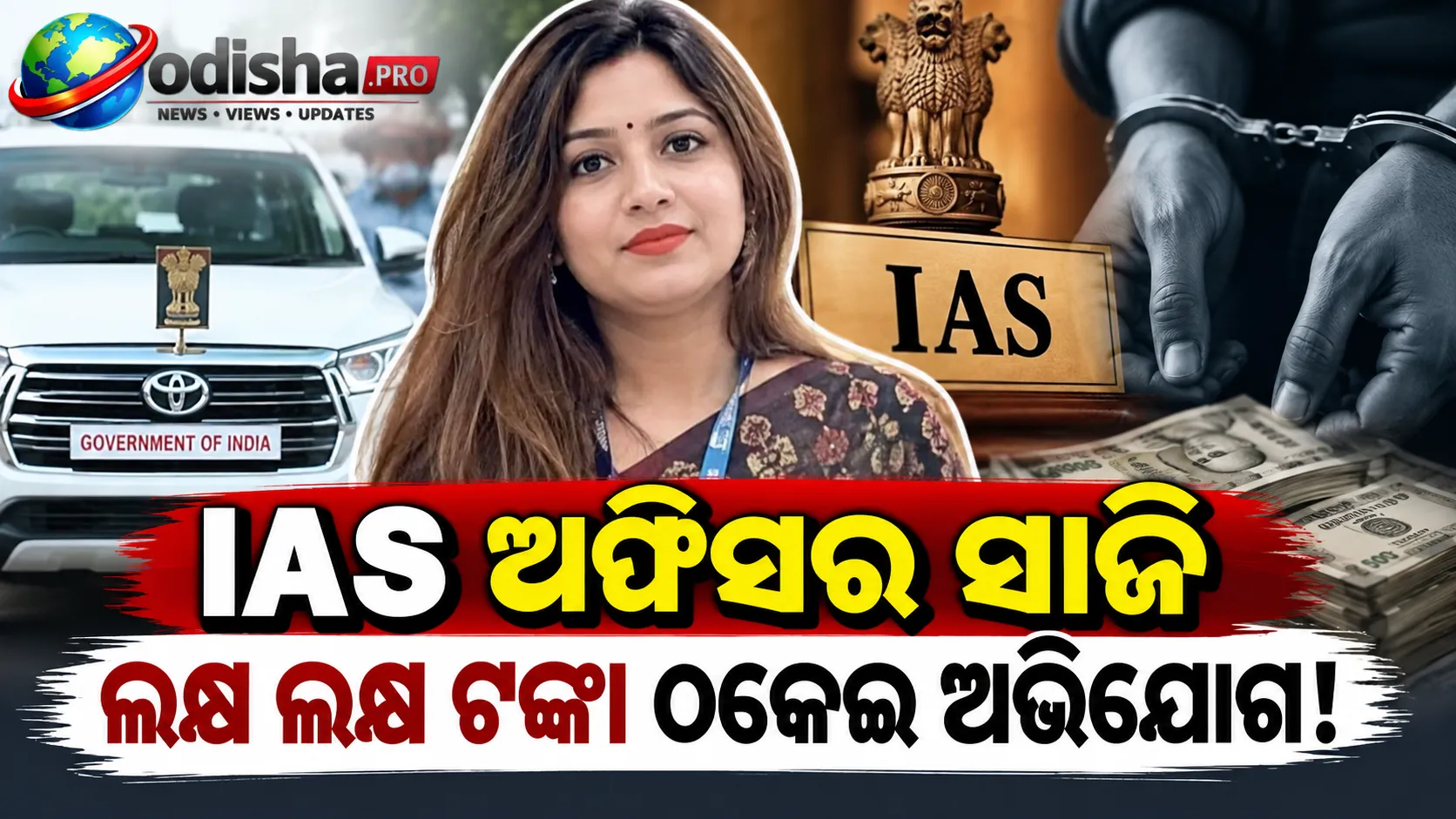
ନିଜକୁ IAS ଅଧିକାରୀ ପରିଚୟ ଦେଇ ଲୋକଙ୍କୁ ଠକୁଥିବା ଅଭିଯୋଗ...
ଓଡ଼ିଶାରେ ବର୍ଷାରୁ ଏବେ ତୁରନ୍ତ ଆଶ୍ୱସ୍ତି ମିଳିବାର ସମ୍ଭା...
ଓଡ଼ିଶାରେ ବର୍ଷାରୁ ଏବେ ତୁରନ୍ତ ଆଶ୍ୱସ୍ତି ମିଳିବାର ସମ୍ଭା...
