





On Saturday evening, Delhi once again slipped into the “severe” air quality zone, triggering the return of GRAP-IV restrictions for what feels like the nth time this winter. The cycle has become depressingly predictable: pollution spikes, curbs are imposed, and then hastily rolled back the moment AQI readings dip by a few points, often for just a few hours.
Impose, revoke, re-impose. What was meant to be an emergency response has turned into routine, and routine into farce. GRAP now feels less like a serious intervention and more like administrative muscle memory—performed because it must be, not because anyone believes it will meaningfully improve the air.
This year’s pollution crisis did not arrive overnight. It crept in as early as October, intensified around Diwali, and has stubbornly lingered well into January. Official data from monitoring agencies such as SAFAR and the CPCB shows air quality repeatedly slipping into the “very poor” and “severe” categories across Delhi-NCR, with AQI levels frequently crossing 400 and, at times, even 500. What stands out most, however, is not the scale of the pollution, but the inadequacy of the response to it.
For those living in NCR, especially areas like Noida, the effects are deeply personal. Days begin under a dull, colourless sun suspended in grey air, and end with sore throats, headaches, tight chests, and laboured breathing. Wheezing has become routine. While Delhi announces restrictions, neighbouring Uttar Pradesh largely carries on as usual—construction continues, dust rises daily, trucks move freely, and enforcement remains invisible on the ground.
The impact extends beyond health. Productivity drops, businesses suffer, flights and trains are delayed, and visibility collapses. Yet life carries on, as if choking air is just another inconvenience woven into daily commutes. Tourism, outdoor life, and simple winter pleasures have all but disappeared.
GRAP restrictions now operate like a switch—flicked on when AQI spikes and turned off the moment it dips below an arbitrary threshold, even though the air remains dangerously polluted. This constant toggling has bred cynicism. People increasingly view these measures as performative, focused on optics rather than outcomes. Pollution does not reset overnight, and lungs do not recover because an index briefly improves.
Trust has eroded further as indoor air quality monitors often show far worse conditions than official readings. When data itself becomes contested, accountability feels distant. The body, however, offers its own evidence through coughing, fatigue, burning eyes, and breathlessness—symptoms hospitals continue to see, even as authorities insist things are under control.
Despite the toxicity, life does not pause. Office-goers, construction workers, delivery agents, street vendors, parents, children, and the elderly step out daily because staying indoors indefinitely is not an option. Masks and air purifiers may help some, but they are privileges—not solutions. A city cannot be purified one room at a time.
As anger gives way to exhaustion, humour and sarcasm have become coping mechanisms. Protests fade, memes multiply, and hope increasingly rests on the arrival of strong winds or rain. When institutions fail repeatedly, people turn to faith. Policy becomes seasonal, and hope becomes meteorological.
Delhi-NCR winters, once associated with sunlight, walks, parks, and unhurried conversations, now feel wasted—spent indoors, calculating health risks before stepping outside. Many quietly worry about how many more winters their parents can endure, or what this prolonged exposure means for their children’s futures.
This is not a demand for perfection. It is a plea for seriousness, honesty, and accountability. Clean air should not be a luxury. For millions living here, this is not about policy or data—it is about everyday survival, and a life slowly, invisibly shrinking with every breath.
ମଧ୍ୟପ୍ରଦେଶର ବାଲାଘାଟ ଜିଲ୍ଲାର କିରନାପୁରରେ ପୁଲିସ କାର୍ଯ...
ପଶ୍ଚିମବଙ୍ଗର ଭୋଟର ତାଲିକାର Special Intensive Revisio...
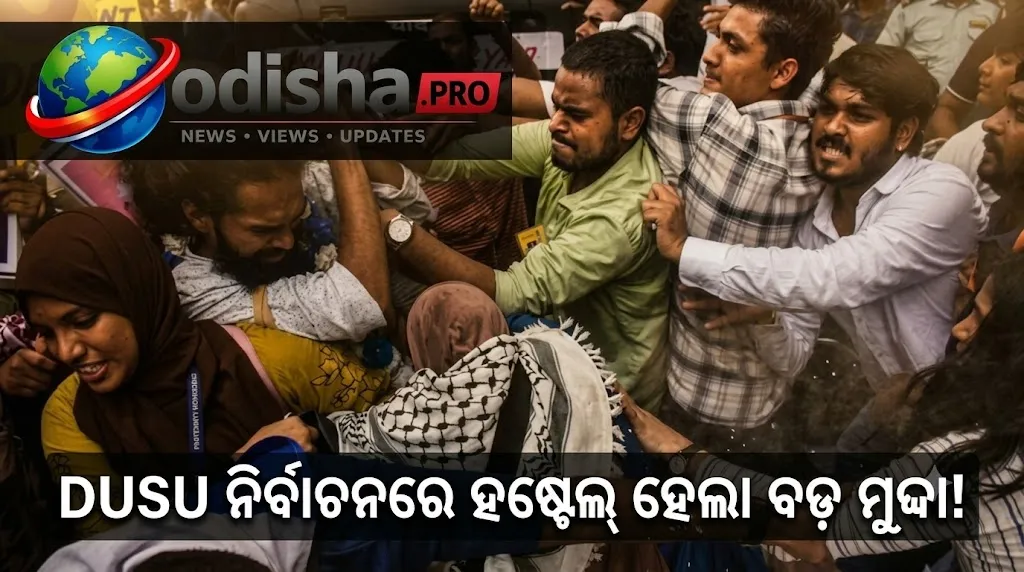
ଦିଲ୍ଲୀ ୟୁନିଭର୍ସିଟିରDUSU ନିର୍ବାଚନ ୨୦୨୬ରେ ଏଥର କେବଳ କ...
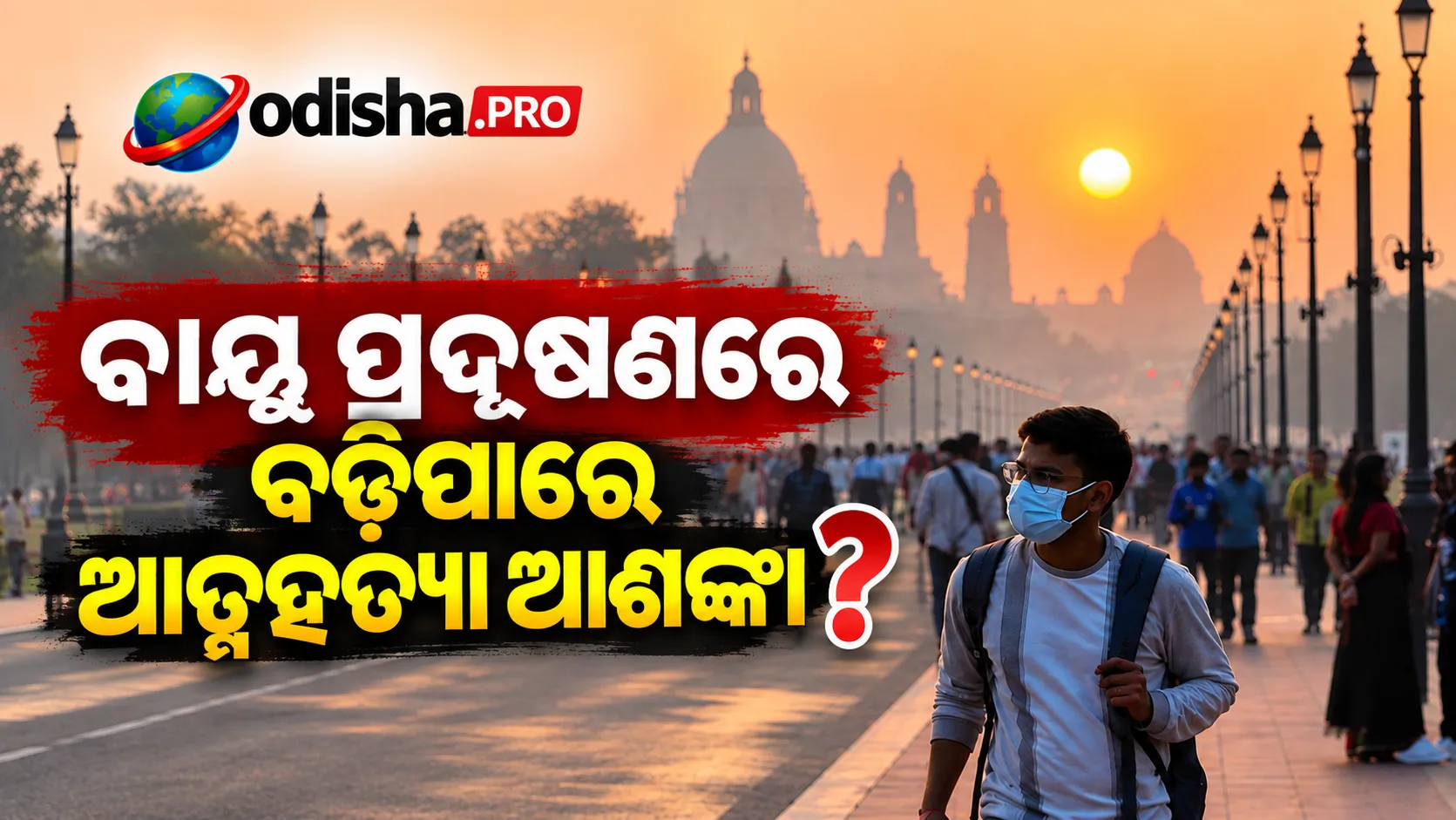
ବାୟୁ ପ୍ରଦୂଷଣ କେବଳ ଫୁସ୍ଫୁସ୍ ଓ ଶ୍ୱାସକ୍ରିୟା ଉପରେ ପ୍ରଭ...
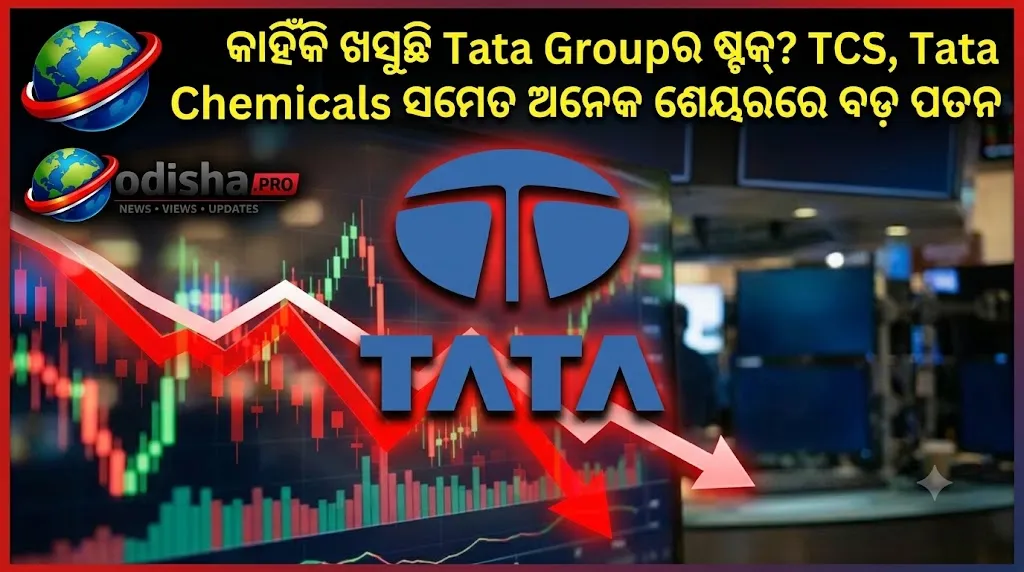
ଶୁକ୍ରବାର Tata Groupର ଅଧିକାଂଶ ଷ୍ଟକ୍‌ରେ ହଠାତ୍&z...

ଗୁରୁବାର ଭାରତୀୟ ଶେୟର ବଜାରରେ ମିଶ୍ରିତ କାରବାର ଦେଖିବାକୁ...
୨୦୨୭ ପଞ୍ଚାୟତ ନିର୍ବାଚନକୁ ନଜରରେ ରଖି ଓଡ଼ିଶାରେ ନିଜର ସା...
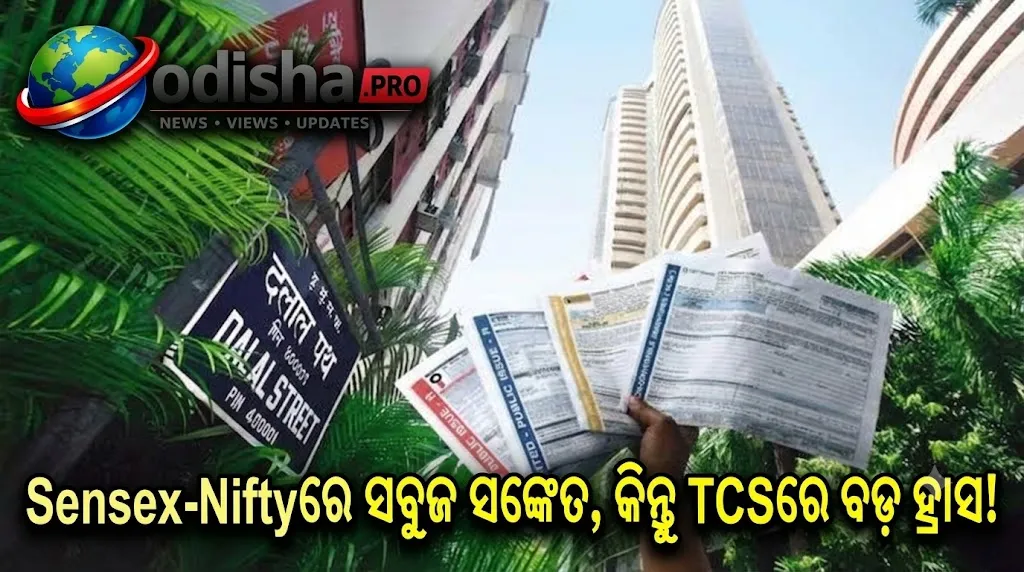
ଶୁକ୍ରବାର ଭାରତୀୟ ଶେୟର ବଜାରସାମାନ୍ୟ ବୃଦ୍ଧି ସହ ଖୋଲିଛି।...
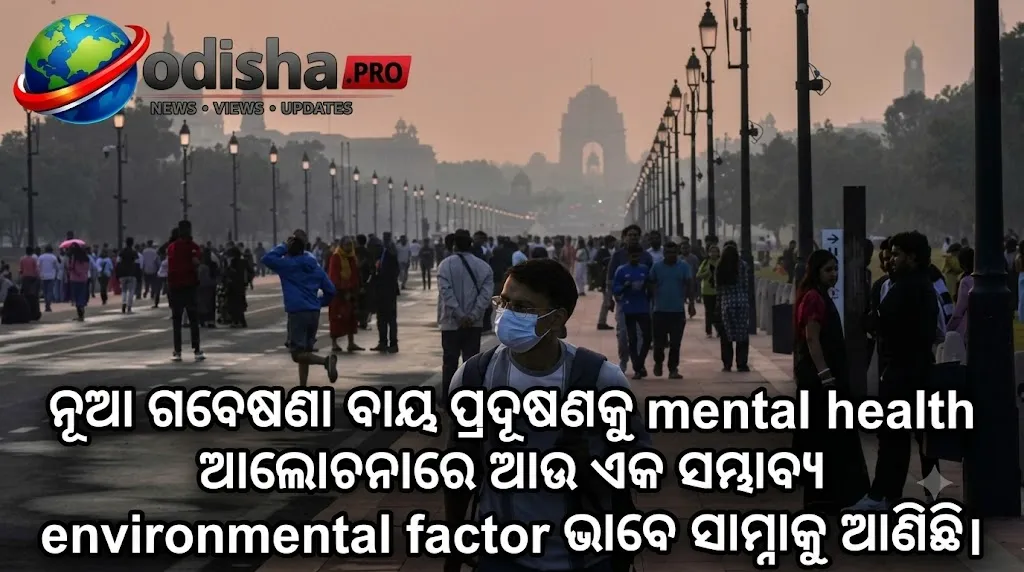
ବାୟୁ ପ୍ରଦୂଷଣ କେବଳ ଫୁସଫୁସ ଓ ଶାରୀରିକ ସ୍ୱାସ୍ଥ୍ୟକୁ ନୁହ...
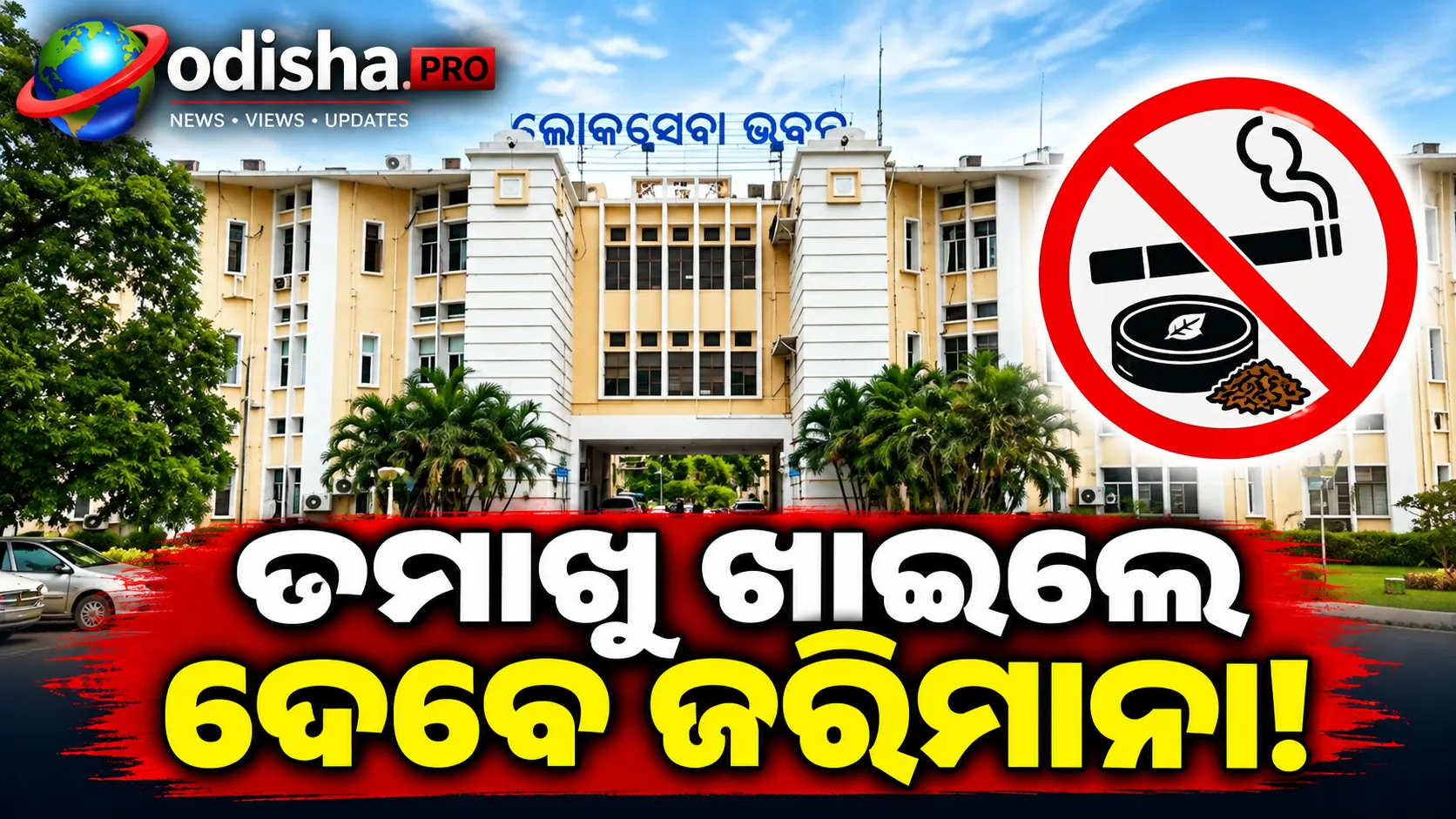
ଭୁବନେଶ୍ୱରସ୍ଥିତ ଲୋକସେବା ଭବନ ପରିସରକୁ ‘ତମାଖୁମୁକ...

UPI ବ୍ୟବହାର କରୁଥିବା ଗ୍ରାହକଙ୍କ ପାଇଁ ବଡ଼ ଖବର।ଅକ୍ଟୋବର...
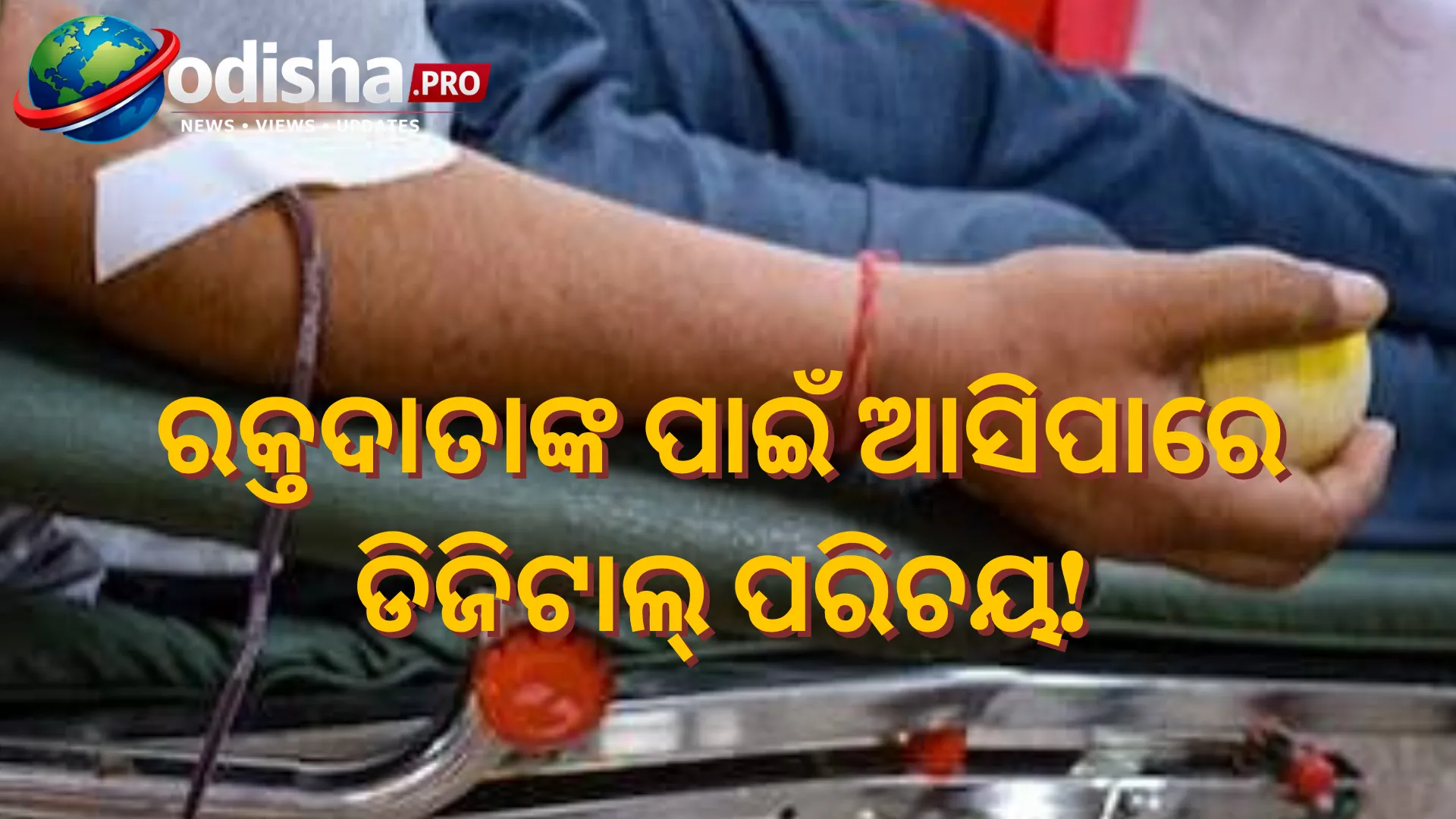
ରକ୍ତଦାନ ବ୍ୟବସ୍ଥାକୁ ଆହୁରି ସୁସଂଗଠିତ ଓ ଟ୍ରାକ୍‌ଯୋ...