





India has witnessed an increasingly erratic winter this season, with some regions enduring biting cold while others report a striking absence of snow and winter rainfall.
As winter set in, particularly across northern India, weather forecasts repeatedly pointed to a familiar but increasingly unpredictable system behind these sudden shifts — the Western Disturbance. Long known for shaping winter weather across the Himalayas and the northern plains, this system influences rainfall, snowfall, and cold waves. However, climate change is now altering its behaviour, making its role in India’s climate story more complex and consequential than ever before.
A Western Disturbance is an eastward-moving weather system that originates over the Mediterranean Sea and adjoining regions. Driven by westerly winds, it travels thousands of kilometres, gathering moisture before entering northwest India via Pakistan. When this moisture-laden air encounters the Himalayas, it rises and cools, resulting in cloud formation, rain, and snowfall.
Western Disturbances are most active between December and February and are the primary source of winter rain and snow for Jammu and Kashmir, Himachal Pradesh, Uttarakhand, Punjab, and Haryana. This year’s uneven snow and rainfall patterns in mountainous regions highlight how shifts in these systems are already affecting India’s winters.
Scientists say climate change is reshaping Western Disturbances by altering atmospheric circulation and temperature patterns. Warmer air can hold more moisture, meaning some disturbances now bring intense rain or snowfall, while others weaken or bypass the region entirely.
Another growing concern is the shift from snow to rain at lower elevations. Rising temperatures increasingly cause precipitation to fall as rain rather than snow, reducing snowpack accumulation and disrupting the timing of river flows. Such variability has been linked to unseasonal rainfall and sharp cold spells across northern India, including the abrupt temperature drops witnessed this winter.
As climate change accelerates, Western Disturbances are expected to become even more unpredictable, posing serious challenges for agriculture, water management, and disaster preparedness. Erratic winter rain can damage crops, while sudden heavy precipitation may trigger landslides, avalanches, and flooding in hill states.
These systems play a critical role in India’s climate and economy. Winter rainfall associated with Western Disturbances helps maintain soil moisture for crops such as wheat and mustard, reducing dependence on irrigation. Himalayan snowfall feeds glaciers and sustains river flows during spring and early summer.
When Western Disturbances weaken or fail, the consequences are widespread. Poor snowfall in Kashmir has repeatedly hurt winter tourism and raised concerns over long-term water availability. In Punjab and Haryana, India’s agricultural heartland, crops are already feeling the impact. In Uttarakhand, prolonged dry spells have created conditions conducive to forest fires in mountain regions.
For India, accurately forecasting Western Disturbances will become increasingly crucial. Farmers may need to adjust sowing schedules, while policymakers must prepare for both water scarcity and extreme precipitation events. Experts stress that understanding how these systems are evolving is essential for ensuring long-term water security, especially for rivers fed by Himalayan snow and glaciers.
In a warming world, Western Disturbances remain vital — but they are no longer behaving the way they once did. Preparing for this growing uncertainty will be key to managing India’s changing climate.
ରକ୍ତଦାନ ବ୍ୟବସ୍ଥାକୁ ଆହୁରି ସୁସଂଗଠିତ ଓ ଟ୍ରାକ୍‌ଯୋ...
ଦିଲ୍ଲୀ ୟୁନିଭର୍ସିଟିରDUSU ନିର୍ବାଚନ ୨୦୨୬ରେ ଏଥର କେବଳ କ...
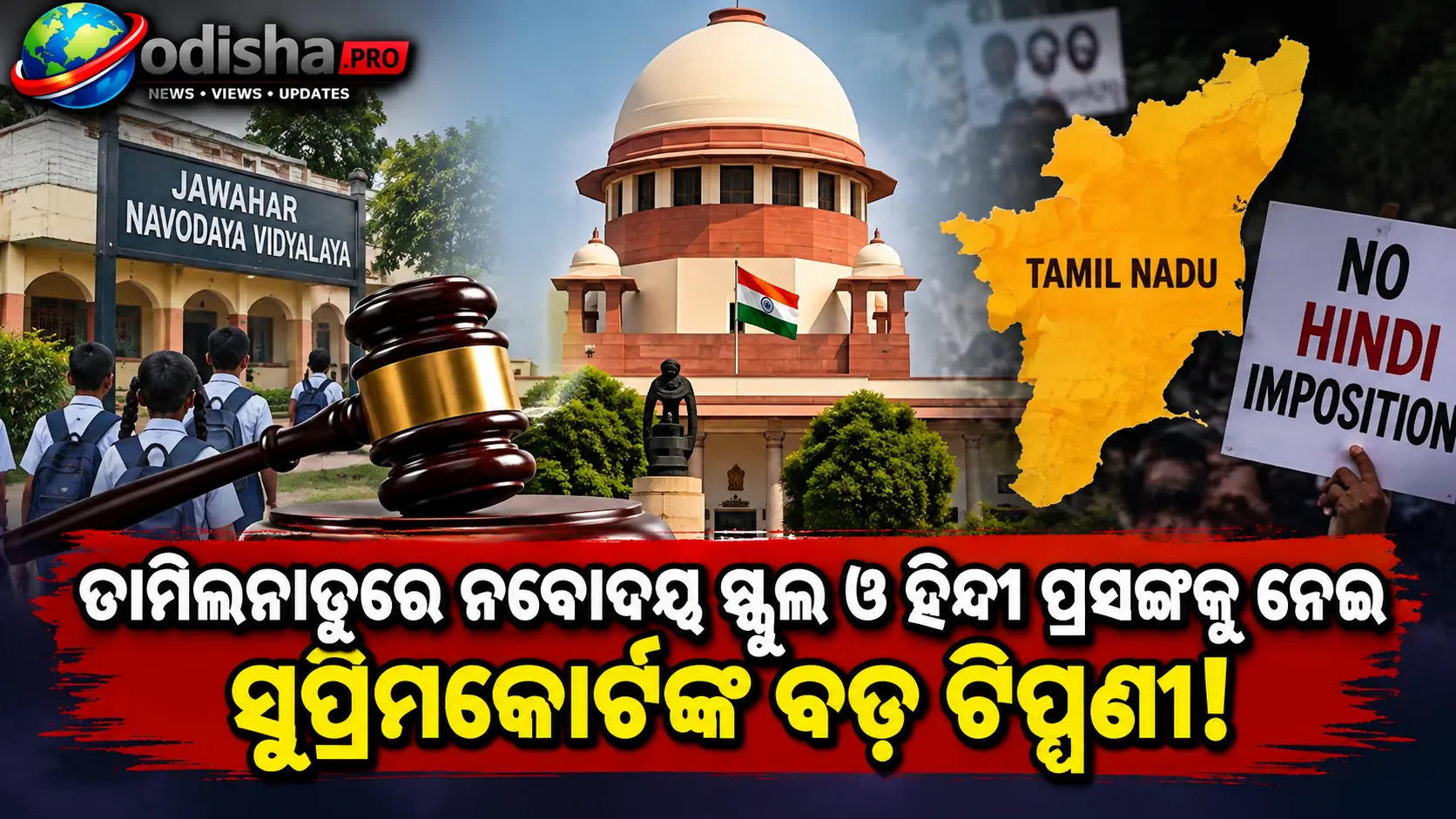
ତାମିଲନାଡୁରେ ଜବାହର ନବୋଦୟ ବିଦ୍ୟାଳୟ ସ୍ଥାପନ ଓ ଭାଷା ନୀତ...
୨୦୨୭ ପଞ୍ଚାୟତ ନିର୍ବାଚନକୁ ନଜରରେ ରଖି ଓଡ଼ିଶାରେ ନିଜର ସା...
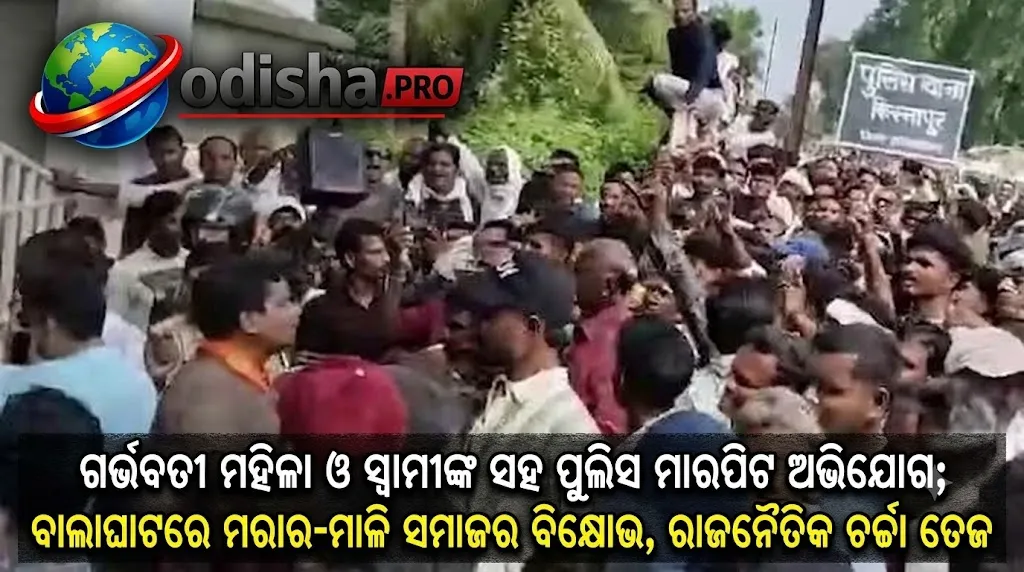
ମଧ୍ୟପ୍ରଦେଶର ବାଲାଘାଟ ଜିଲ୍ଲାର କିରନାପୁରରେ ପୁଲିସ କାର୍ଯ...
ପଶ୍ଚିମବଙ୍ଗର ଭୋଟର ତାଲିକାର Special Intensive Revisio...
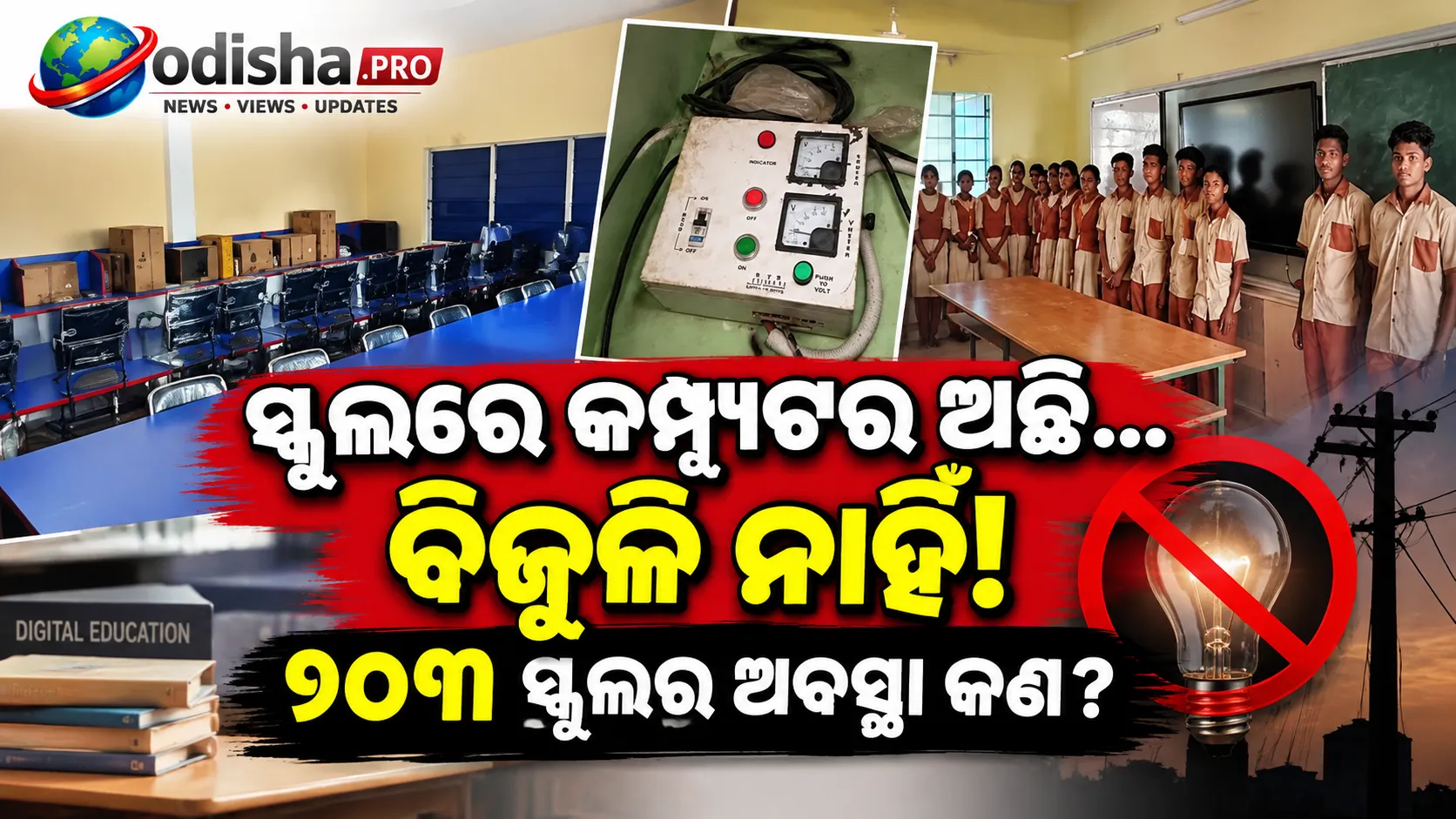
ଓଡ଼ିଶାରେ ସ୍ମାର୍ଟ ଶିକ୍ଷା ବ୍ୟବସ୍ଥାକୁ ନେଇ ଗୁରୁତ୍ୱ ଦିଆ...
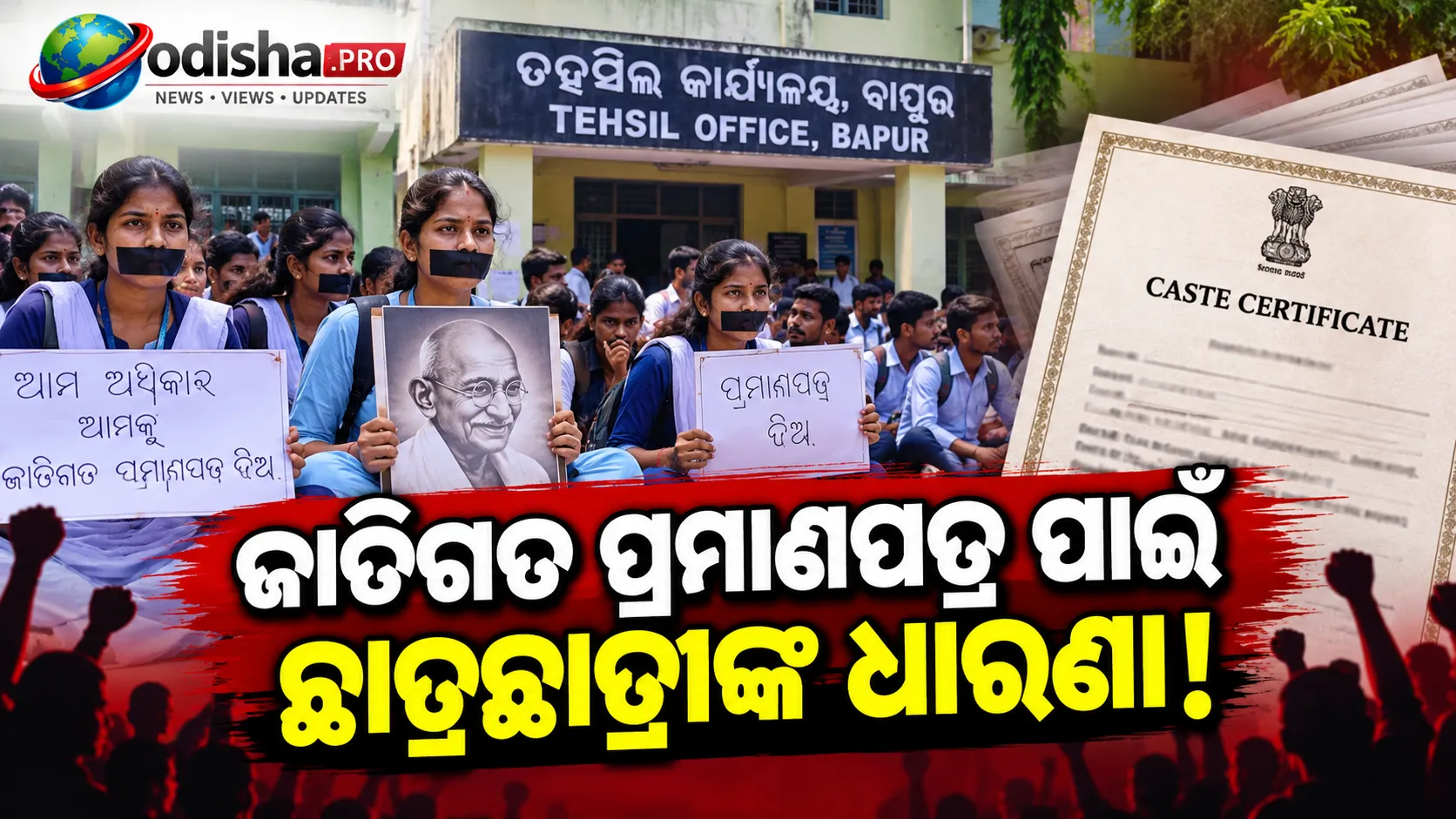
ବାପୁର ତହସିଲ କାର୍ଯ୍ୟାଳୟରେ ଜାତି ପ୍ରମାଣପତ୍ର ପ୍ରଦାନରେ...