




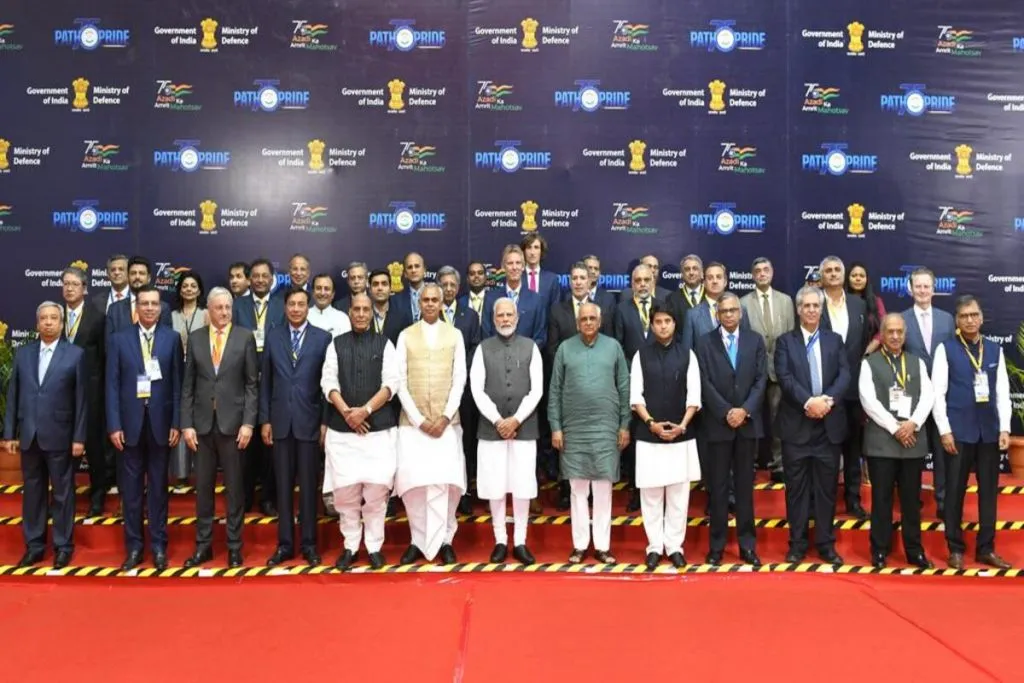
Commerce Minister Piyush Goyal has described the proposed India-EU free trade agreement as the “mother of all trade deals”, asserting that none of the 27 European Union member states has opposed it. The pact, expected to be signed on January 26, is aimed at being comprehensive in scope while addressing the interests and sensitivities of both sides.
Goyal said the agreement would be the most wide-ranging and mutually beneficial trade deal for India and the EU. Officials involved in the negotiations noted that India has secured favourable terms in priority sectors, while the EU has gained access in areas of its interest, making the partnership complementary rather than competitive. They added that national interests, including those of farmers, have been safeguarded, even amid differences over issues such as the EU’s carbon border adjustment mechanism (CBAM).
India has also been negotiating a new chapter to provide long-term regulatory certainty and attract EU investments, including clarity on sectors where 100 per cent foreign direct investment may be allowed, along with conditions such as local employment and value addition. Similar approaches have been adopted in recent trade agreements with the UK and the European Free Trade Association (EFTA), which committed $100 billion in investments over 15 years. New Zealand has also pledged $20 billion in investments.
Negotiations for the India-EU trade deal, first launched in 2007 and stalled in 2013, were revived in July 2022 and have gained urgency amid shifts in global trade dynamics and rising protectionism. India is seeking greater market access for labour-intensive sectors such as textiles, footwear, and gems and jewellery, while the EU is looking for access in automobiles and beverages. Shared concerns over China’s dominance in key manufacturing and technology sectors have also emerged as a major driver of the agreement.

ଭାରତୀୟ ଶାସ୍ତ୍ରୀୟ ସଙ୍ଗୀତର ମହାନ କଣ୍ଠଶିଳ୍ପୀ MS ସୁବ୍ବୁ...
ଭାରତ ଏଥର ଦୀର୍ଘ ସମୟ ପରେ ଏକ ଦୁର୍ବଳ ମୌସୁମୀ ଋତୁର ସାମ୍ନ...
ଓଡ଼ିଶା ବିଧାନସଭାର ମୌସୁମୀ ଅଧିବେଶନ ଆସନ୍ତା ସେପ୍ଟେମ୍ବର...
ପଶ୍ଚିମବଙ୍ଗର ରେଜିନଗର ଉପନିର୍ବାଚନକୁ ନେଇ ଶନିବାର ମମତା ବ...

ସାଉଥ୍‌ ସିନେମାର ଚର୍ଚ୍ଚିତ ଅଭିନେତା ଅଲ୍ଲୁ ଅର୍ଜୁନଙ...
ବଢ଼ୁଥିବା ଖାଦ୍ୟଦ୍ରବ୍ୟ ଦରକୁ ନେଇ କଂଗ୍ରେସ ନେତା ଜୟରାମ ର...

୨୦୨୫ରେ ରିଲିଜ୍ ହୋଇଥିବା‘Saiyaara’ଫିଲ୍ମ ନ...

ଆଣ୍ଡାମାନ ସାଗରରେ ନୂଆ ପାଣିପାଗ ପ୍ରଣାଳୀ ଗଠନକୁ ନେଇ ଓଡ଼ି...

ବଲିଉଡ୍‌ର ଲୋକପ୍ରିୟ କମେଡି ଫ୍ରାଞ୍ଚାଇଜ୍ ‘Go...
କେରଳରେ ମନ୍ତ୍ରୀଙ୍କ ସରକାରୀ ଯାତ୍ରା ପାଇଁ ବ୍ୟକ୍ତିଗତ Ran...