




Once upon a time, reality dating shows were simple. Put hot people in a villa, add alcohol, subtract dignity, roll cameras. South Korea looked at that formula, adjusted its glasses, and said: What if we added feelings? And rules. And existential dread.
The result? A slate of dating shows that don’t just ask who will end up together, but who am I, really, and why am I like this? Welcome to the quietly addictive, emotionally charged world of South Korean dating television, where eye contact lasts longer than kisses and a text message can feel like a plot twist.
Take Single’s Inferno, Netflix’s breakout hit. On paper, it sounds familiar enough: attractive singles, a remote island, the promise of romance. But the devil, and the delight, is in the details. No explicit flirting. No drunken snogging. Conversations revolve around life goals, insecurities, and carefully guarded emotions. When someone finally admits they’re interested, it feels seismic.
Then there’s Transit Love (or EXchange), which casually drops an emotional grenade into the genre by placing ex-couples in the same house and asking them to either rekindle old flames or move on, while their former partners watch. It’s less dating show, more group therapy session you were never invited to but can’t stop peeking into.
Shows like Heart Signal, Love Catcher and Pink Lie take things even further, layering in secrets, hidden motives, and moral dilemmas. Someone might be lying about their job. Or their debt. Or whether they’re here for love or money. Trust becomes the real currency, and watching it build or crumble is the main event.
Part of the appeal lies in what doesn’t happen. In a media landscape oversaturated with shock value, Korean dating shows thrive on restraint. Silence is allowed. Awkward pauses aren’t edited out. Participants are given space to think, to hesitate, to change their minds.
This slower pacing mirrors real-life emotional processing in a way few reality shows bother with. People don’t fall in love overnight; they circle it, fear it, and self-sabotage it. Korean dating shows understand that romance is often uncomfortable before it’s exciting.
There’s also a cultural specificity at play. South Korea’s dating culture, shaped by social expectations, hierarchy, and unspoken rules, lends itself to subtle storytelling. Who pours the drink first? Who texts back late? Who avoids eye contact at breakfast? These micro-moments become loaded with meaning, and viewers are invited to decode them like emotional detectives.
Another quietly brilliant touch? The commentator panels. Celebrities watch the footage alongside us, reacting, analysing, occasionally losing their minds over a participant’s terrible decision. They say what the audience is thinking, ask the questions we’re yelling at the screen, and sometimes offer unexpectedly thoughtful insights about love and vulnerability.
It turns the viewing experience into a shared one, like watching romance unfold with a group chat built into the show.
Perhaps the biggest reason these shows resonate globally is that they tap into something universal: the difficulty of connection in a hyper-connected world. Many contestants are successful, articulate, emotionally intelligent, and still painfully unsure of how to love or be loved.
In that sense, South Korean dating shows aren’t escapism. They’re mirrors. They reflect the anxieties of modern relationships: fear of rejection, emotional baggage, and the pressure to choose “correctly”. Watching others stumble through it feels oddly comforting.
You don’t tune in for grand declarations or fairy-tale endings (though they occasionally happen). You tune in for the almosts, the maybes, the long walks where nothing is said but everything is felt.
And when two people finally choose each other? No fireworks. Just a quiet smile, a held hand, and the sense that something genuine has been earned.

ଦିଲ୍ଲୀର ଜନ୍ତର ମନ୍ତରରେ **‘କୋକରୋଚ୍ ଜନତା ପାର୍ଟି...

ସଂସଦର ମୌସୁମୀ ଅଧିବେଶନର ଆଜି ତୃତୀୟ ଦିନ। ଗତ ଦୁଇ ଦିନ ଧର...
ଟେଷ୍ଟ ଓ ଟି-୨୦ ଆନ୍ତର୍ଜାତୀୟ କ୍ରିକେଟ୍ରୁ ସନ୍ନ୍ୟାସ ନେବା...
ରାଜଧାନୀ ଦିଲ୍ଲୀର ଜନ୍ତର ମନ୍ତରରେ ଚାଲିଥିବା ଛାତ୍ର ଆନ୍ଦୋ...

ଅଦାନୀ ଗ୍ରୁପ୍‌ର ଅଦାନୀ ଏନର୍ଜି ସଲ୍ୟୁସନ୍ସ ଲିମିଟେଡ...
ଚୀନ୍ ଓପେନ୍ ବ୍ୟାଡମିଣ୍ଟନ୍ ଟୁର୍ଣ୍ଣାମେଣ୍ଟରେ ଭାରତର ଷ୍ଟା...

ସଂସଦର ମୌସୁମୀ ଅଧିବେଶନର ତୃତୀୟ ଦିନ ବୁଧବାର ବିରୋଧୀ ସାଂସ...

ଆମେରିକା ଓ ଇରାନ ମଧ୍ୟରେ ବଢ଼ୁଥିବା ସାମରିକ ସଂଘର୍ଷର ପ୍ରଭ...
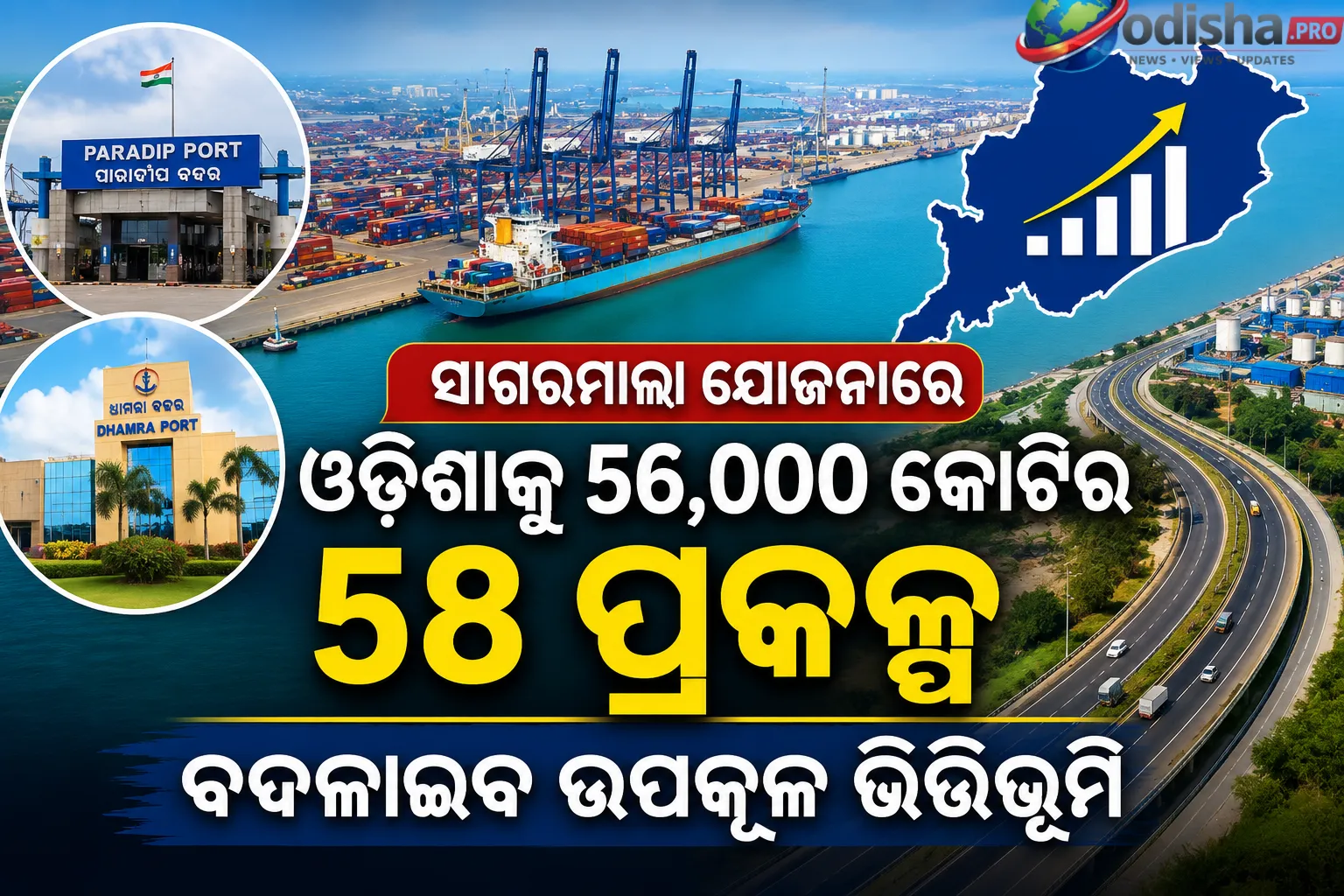
ସାଗରମାଳା କାର୍ଯ୍ୟକ୍ରମ ଅଧୀନରେ ଓଡ଼ିଶା ଦେଶର ଅଗ୍ରଣୀ ରାଜ...
ଭାରତ ଓ ଜିମ୍ବାୱେ ମଧ୍ୟରେ ଜୁଲାଇ ୨୩ରୁ ଆରମ୍ଭ ହେବାକୁ ଥିବ...
ଭାରତୀୟ କ୍ରିକେଟ୍ ଦଳର ପୂର୍ବତନ ଅଫ୍‌ ସ୍ପିନର ରବିଚନ...

ଓଡ଼ିଶାକୁ ମିଳିଛି ଆଉ ଏକ ବଡ଼ ଶିଳ୍ପ ପ୍ରକଳ୍ପ। କେନ୍ଦ୍ର ସ...