



In a powerful judicial intervention, theSupreme Court of Indiahas issued a set of five major orders after banning the circulation of a Class 8 NCERT textbook that included a chapter discussing “corruption in the judiciary.” The bench, headed byChief Justice of India Surya Kant, expressed strong objection to the portrayal of the judiciary, asserting that such content could undermine public faith in the legal system.
The first order imposes ablanket banon the publication, distribution, and sale of the contentious textbook — both in physical and digital formats — ensuring the chapter does not continue to circulate. The court hasdirected the seizure of all available copiesand has instructed authorities to remove digital versions from public access immediately.
In addition, the Supreme Court hasissued show‑cause noticesto the NCERT Director and the Secretary, Department of School Education, asking them to explain why action, including under the Contempt of Courts Act, should not be initiated against them for allowing the inclusion of the contested chapter. Officials associated with drafting and defending the chapter have also been barred from future work with NCERT or related ministries.
The Chief Justice underscored that the judiciary’s dignity and independence must not be called into question, especially in materials aimed at impressionable students. The court also demandednames and credentials of individuals involved in drafting the chapterand original minutes from meetings where the chapter was finalised. These measures form part of a broader push foraccountability and transparencyin curriculum development and institutional oversight.
Overall, the Supreme Court’s intervention highlights its resolve to protect the institutional integrity of the judiciary and ensure educational content accurately reflects democratic values, while placing clear responsibilities on educational authorities.
ବିପଦପ୍ରବଣ ଅଞ୍ଚଳରୁ ଲୋକଙ୍କୁ ସ୍ଥାନାନ୍ତର ଉପରେ ଗୁରୁତ୍ୱ...
ଡର୍ମାଟୋଲୋଜିଷ୍ଟ ଡା. ଜୁଶ୍ୟା ଭାଟିଆ ସରିନ୍ ଭାରତୀୟ ତ୍ୱଚା...
ପଶ୍ଚିମ ଓଡ଼ିଶାର ପ୍ରମୁଖ ଚିକିତ୍ସା ପ୍ରତିଷ୍ଠାନ ବୁର୍ଲା ଭ...
ହସ୍ପିଟାଲଗୁଡ଼ିକରେ ଥରେ ବ୍ୟବହାର ପାଇଁ ଉଦ୍ଦିଷ୍ଟ ମେଡିକାଲ...
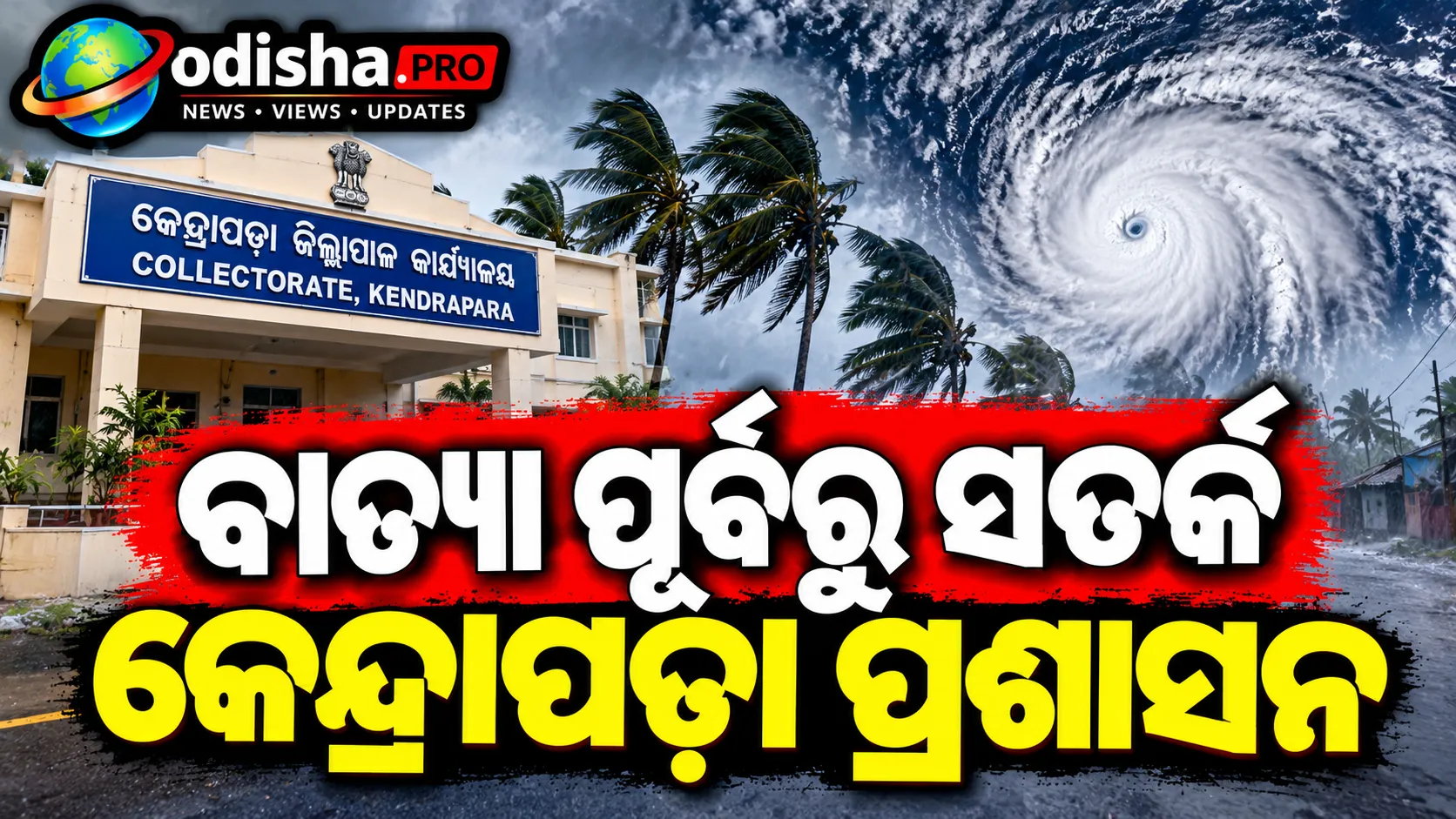
୧୩୦ ସାଇକ୍ଲୋନ୍ ସେଲ୍ଟରରେ ମହଜୁଦ ରହିବ ଜରୁରୀ ସାମଗ୍ରୀ...
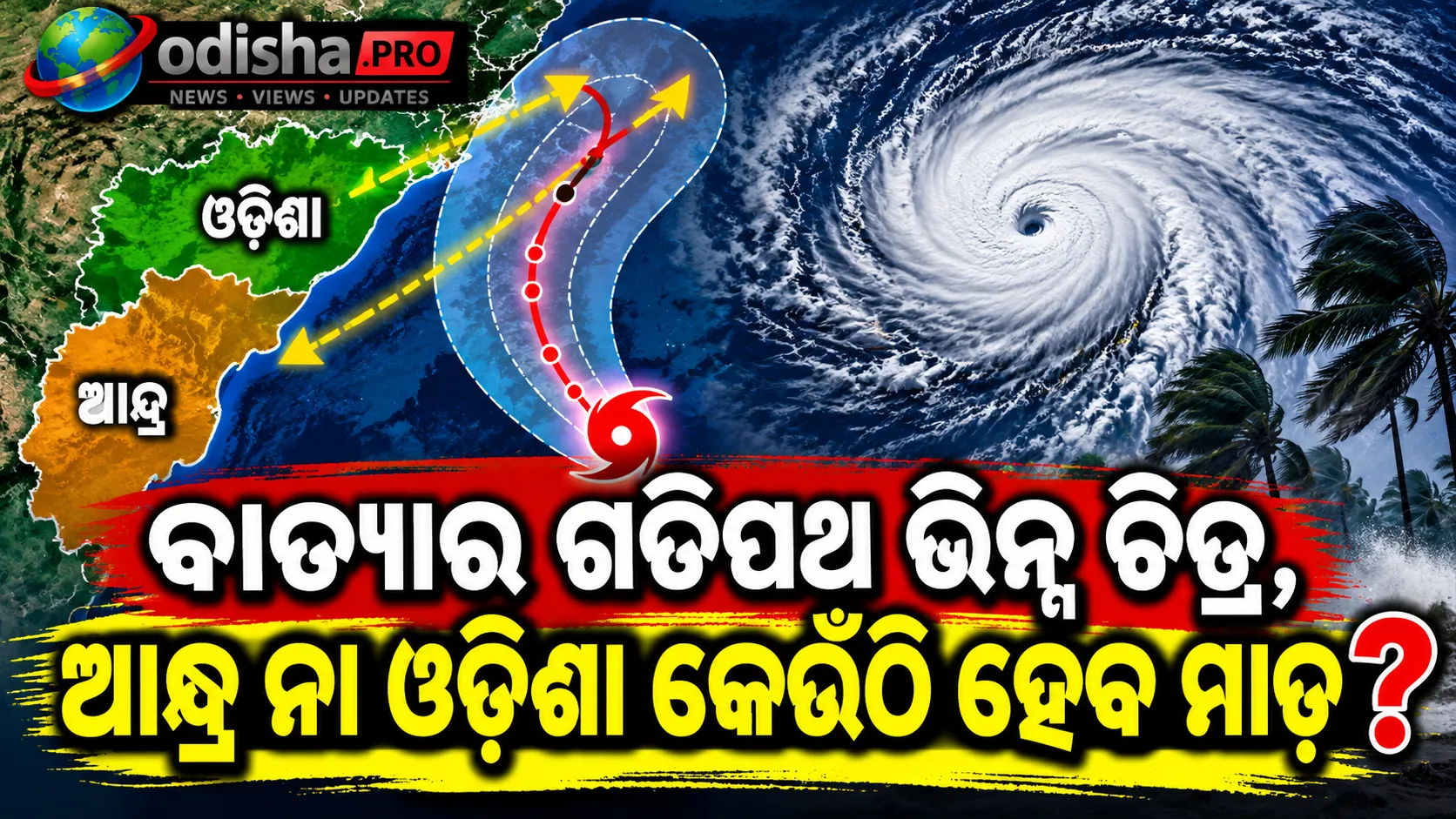
ବଙ୍ଗୋପସାଗରରେ ସୃଷ୍ଟି ହୋଇଥିବା ସୁସ୍ପଷ୍ଟ ଲଘୁଚାପ କ୍ରମଶଃ...
SMA ଔଷଧକୁ ନେଇ କେରଳରେ ଚର୍ଚ୍ଚା ଓ ବିବାଦ ମଧ୍ୟରେ ସ୍ୱାସ୍...
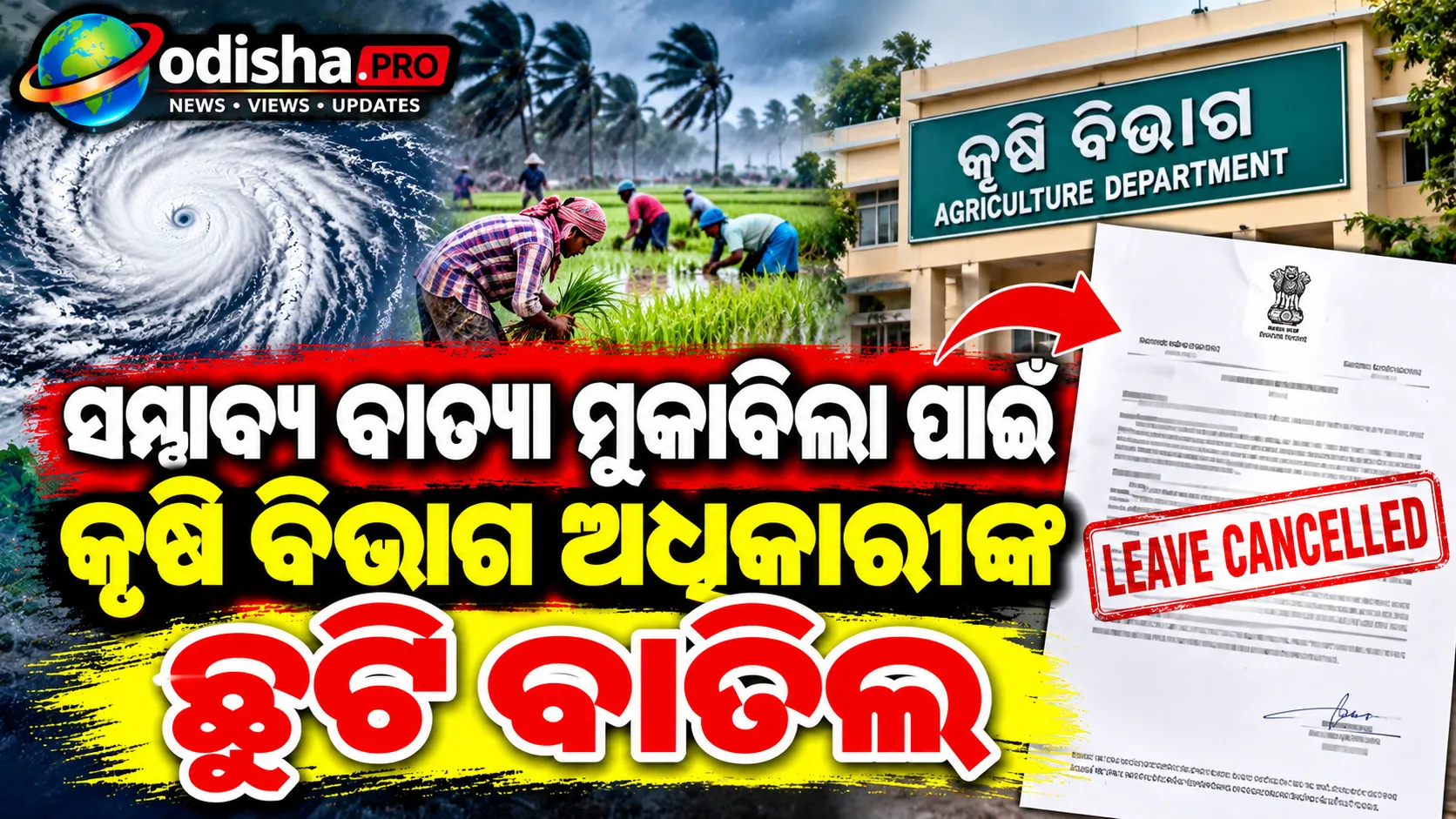
ସମସ୍ତ କୃଷି ଅଧିକାରୀଙ୍କ ଛୁଟି ବାତିଲ ସମ୍ଭାବ୍ୟ ବାତ୍ୟ...