






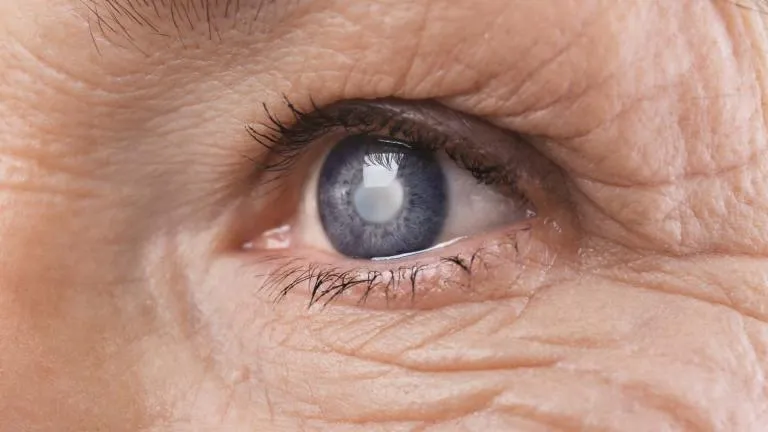
Cataracts are commonly linked with ageing, but eye specialists note that seasonal changes — especially winter — can make cataract symptoms feel significantly worse. According to Dr. Adrian Braganza, Consultant in Cataract, Glaucoma and Refractive Lens Surgery at Narayana Nethralaya, winter conditions highlight existing vision issues rather than accelerating the disease itself.
Shorter days and reduced natural light lower visual contrast, making the clouding caused by cataracts more apparent. Dim lighting increases light scattering through the clouded lens, leading to blurred vision, glare, and difficulty seeing clearly. Winter evenings also involve more low-light and night-time activities, when cataract-related problems such as halos around lights and poor night vision become particularly troublesome.
Indoor environments during winter further contribute to discomfort. Heated rooms often reduce humidity levels, causing dry eyes that can worsen visual clarity. Dr. Braganza explains that surface dryness and irritation can intensify the blurring already caused by cataracts.
Families often notice early warning signs during winter, including difficulty driving at night, increased sensitivity to headlights, foggy vision, or the need for brighter lighting while reading. Unlike normal age-related vision changes, cataract-related blurring does not fully improve with updated glasses or better lighting.
While cataracts cannot be reversed without surgery, maintaining indoor humidity, staying hydrated, wearing UV-protective sunglasses year-round, managing conditions like diabetes, and ensuring good home lighting can help reduce discomfort and slow progression. If vision problems persist and interfere with daily life, experts advise scheduling a comprehensive eye examination.

ରୋଜଗାର ପାଇଁ ଯାଇଥିଲେ, ଫେରିଲା ମୃତଦେହ ରାୟଗଡ଼ ବ୍ଲକ...

ଜନଶୁଣାଣିରେ ଅଭାବନୀୟ ଘଟଣା ରାୟଗଡ଼ା ଜିଲ୍ଲାପାଳଙ୍କ ଜନ...
ଗୁରୁଗ୍ରାମରDLF Primus ପ୍ରକଳ୍ପକୁ ନେଇ ସୁପ୍ରିମକୋର୍ଟ କଡ...
ବୀମା ପଲିସି କିଣିବା ପରେ ଅନେକ ଲୋକଙ୍କ ପାଇଁ ସବୁଠୁ ବଡ଼ ସ...
ମାରୁତି ସୁଜୁକି କାର୍ କିଣିବାକୁ ଯୋଜନା କରୁଥିବା ଗ୍ରାହକଙ୍...

ଲ ଯିବା ବାଟରେ ତୀରମାଡ଼ ଅଭିଯୋଗ ସୋମବାର ସମ୍ବଲପୁର ଜିଲ...
ଟାଟା ମାଲିକାନାଧୀନJaguar Land Rover (JLR)ବ୍ରିଟେନ୍ରେ...

ବର୍ଷା ଆସିଲେ ସ୍କୁଲ ପାଲଟିଯାଏ ଦ୍ୱୀପ ଢେଙ୍କାନାଳ ଭୁବନ...