










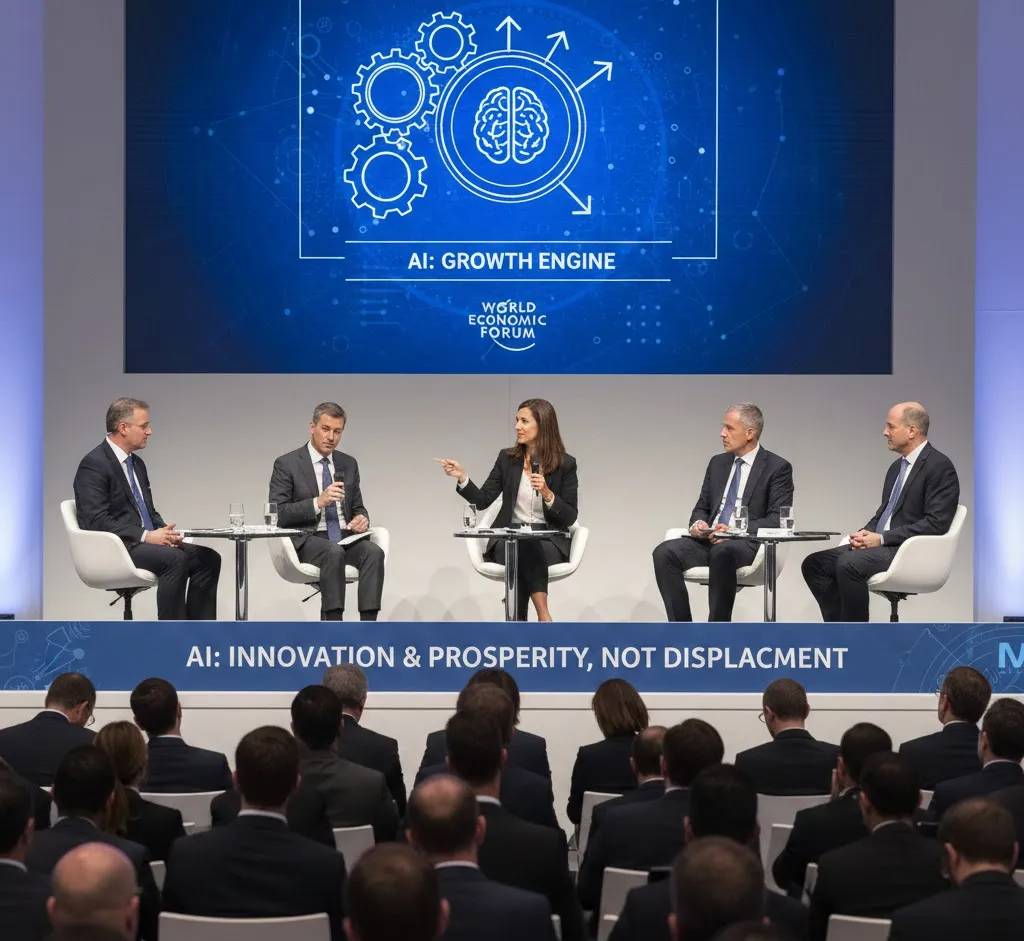
Despite freezing temperatures, geopolitical tensions and growing scepticism around artificial intelligence, business leaders at the World Economic Forum’s annual meeting in Davos struck an optimistic tone about technology’s ability to create jobs and fuel economic growth.
Top executives acknowledged that AI would eliminate some roles but insisted it would also generate new opportunities across industries. Several leaders told Reuters that companies already planning workforce reductions were using AI as a convenient justification rather than the true cause.
Nvidia CEO Jensen Huang, a leading figure in AI’s rapid expansion, said the technology would drive job creation across sectors such as energy, semiconductors and infrastructure, leading to higher wages and increased demand for skilled trades including electricians, plumbers and steelworkers.
“Energy is creating jobs. Chips are creating jobs. The infrastructure layer is creating jobs,” Huang said, repeatedly emphasising employment growth.
The upbeat sentiment contrasted with broader anxieties at Davos, including concerns over trade tensions and debates around AI’s societal impact. Delegates raised questions about the mental health risks of AI-powered chatbots and the long-term cost of automation, while labour leaders warned that productivity gains often translate into fewer workers doing more work.
IBM’s chief commercial officer Rob Thomas said AI had finally reached a point where companies could see tangible returns on investment by automating tasks and business processes. Cisco President Jeetu Patel echoed this view, noting that projects previously requiring years of human effort were now being completed in weeks using AI-assisted coding.
However, optimism was tempered by data showing uneven results. Consulting firm PwC found that only one in eight CEOs believe AI is currently reducing costs and generating new revenue, raising questions about sustainable business models amid high infrastructure expenses.
Executives from firms such as BlackRock and BNY Mellon said AI was helping expand businesses without increasing headcount, while labour unions cautioned that workers often lack a voice in how AI is deployed, fuelling anxiety and resistance.
Microsoft co-founder Bill Gates urged governments and businesses to prepare for both the opportunities and disruptions AI will bring, suggesting measures such as taxing AI-driven activities to support affected workers.
The Davos meeting concluded with a message of cautious optimism, as leaders including Elon Musk argued that embracing technological progress—even with its risks—was essential for improving long-term quality of life.
ଜାପାନରେ ଚାଲିଥିବା ୨୦୨୬ ଏସୀୟ କ୍ରୀଡ଼ାରେ ଆୟୋଜକଙ୍କ ଏକ ଭ...
ଭାରତୀୟ କ୍ରିକେଟ୍‌ରେ ଏକ ଖେଳାଳିଙ୍କୁ ନେଇ ଦୁଇଟି ଦଳ...

କଟକ: କଟକ ସହରର ଜଳସମ୍ପଦକୁ ନେଇ ଚିନ୍ତା ବଢ଼ିଛି। ମହାନଦୀ...
ଭାରତରେ ଡେଙ୍ଗୁ ବିରୋଧରେ ଲଢ଼େଇକୁ ଆହୁରି ମଜବୁତ କରିବା ପା...
ଭାରତୀୟ କ୍ରିକେଟ୍‌ରେ ଅମ୍ପାୟାର ଓ ମ୍ୟାଚ୍ ରେଫରିଙ୍କ...
ଭାରତର ଖାଦ୍ୟ ନିୟାମକFood Safety and Standards Author...

ଓଡ଼ିଶାର ପାଣିପାଗକୁ ନେଇ ପୁଣି ବଢ଼ିଛି ଚିନ୍ତା। ଉତ୍ତର ଆଣ...
ନୂଆଦିଲ୍ଲୀ: ଭାରତୀୟ କ୍ରିକେଟ୍‌ରେ ଯୋଡ଼ି ହେବାକୁ ଯା...

ମଧ୍ୟପ୍ରଦେଶରେ ଘଟିଥିବା ଏକ ଭୟାବହ ଦୁର୍ଘଟଣାରେ ୭ ଜଣ ଓଡ଼ି...

ଢେଙ୍କାନାଳରେ ଷ୍ଟୋନ୍ କ୍ରସର ଓ ଅଭିଯୋଗକୁ ନେଇ NGTଙ୍କ ବଡ଼...
ଡେଙ୍ଗୁ ବିରୋଧରେ ଭାରତର ଟିକାକରଣ ପ୍ରୟାସରେ ଏକ ନୂଆ ଅଧ୍ୟା...
ଭାରତରେBreast Cancer ବା ସ୍ତନ କର୍କଟଏକ ଗୁରୁତର ସ୍ୱାସ୍ଥ...