






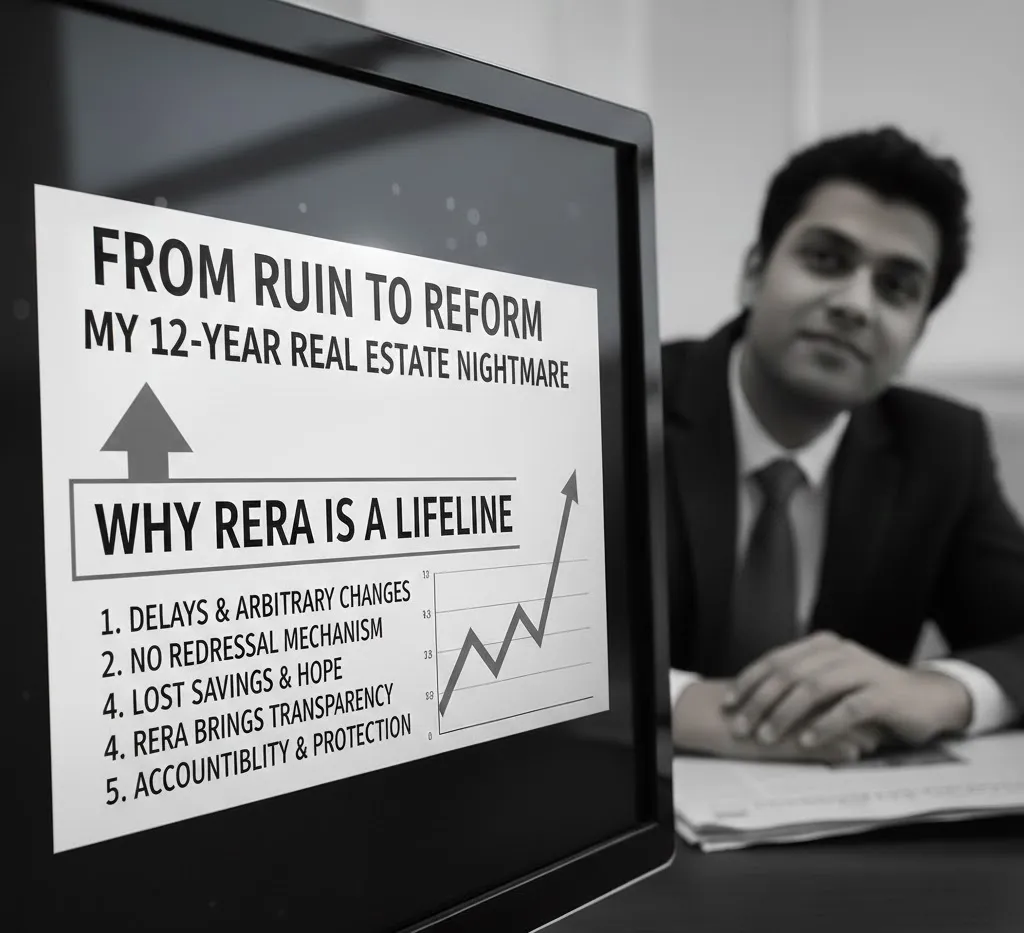
May 2012 marked a turning point in my life—geographically and financially. After nearly seven years in Bombay’s television industry, I moved to Delhi with hopes of restarting my career and building a new home. Following my retired uncle’s advice, our family invested collectively in Jaypee Wish Town. I poured 90% of my savings into Orchard Towers, persuading my cousin in London and my aunt in Dubai to join the venture.
Construction crawled until 2015–16, then stalled completely. Legal battles drained funds, and the pre-RERA real estate landscape offered no accountability. Projects could stall for nearly a decade, leaving buyers like me trapped. My Orchard flat remains unfinished, and the emotional and financial toll was staggering. Later, my ATS flat in 2017 faced Covid-19 delays, and I finally moved into my own home in 2024, having spent 12 years in rented accommodation and nearly ₹43.2 lakh in rent.
The RERA EffectThe Real Estate Regulatory Authority (RERA), introduced in 2016–17, transformed the industry. Stricter timelines, regulatory oversight, and accountability have restored buyer confidence. Uttar Pradesh exemplifies this change: real estate investments jumped 53.5% to ₹68,328 crore in 2025, with 309 projects registered under revised township policies. Reduced land requirements, fixed completion timelines, and improved infrastructure are creating a more predictable environment for buyers and developers alike.
Diversification and Growth OpportunitiesNew hubs in Lucknow, Bareilly, and Agra, along with religious tourism-driven growth in Mathura, Ayodhya, Varanasi, and Prayagraj, are reducing concentration risk. Enhanced connectivity, electricity, law and order, and streamlined land-use approvals have made the state investor-friendly. Developers entering the market bring competition, expertise, and accountability—turning real estate investment from a gamble into a calculated decision.
My journey—from the ruins of Wish Town to finally owning a home—underscores why regulation matters. RERA isn’t bureaucratic red tape; it is a shield against exploitation and delays that can cost years of life and millions of rupees. Uttar Pradesh’s reforms show that government policy can protect homebuyers while fostering sustainable growth, offering hope that future generations won’t endure the same pre-RERA nightmare.
ପଶ୍ଚିମବଙ୍ଗର ରେଜିନଗର ଉପନିର୍ବାଚନକୁ ନେଇ ଶନିବାର ମମତା ବ...

ସେପ୍ଟେମ୍ବର ୧୫ରେ ଉତ୍ତର ଆରବ ସାଗରରେ ଭାରତ ଓ ପାକିସ୍ତାନର...

ୟୁକ୍ରେନ୍‌ରେ ଚାଲିଥିବା ଯୁଦ୍ଧ ଶେଷ ହେବା ପୂର୍ବରୁ ର...
କେରଳରେ ମନ୍ତ୍ରୀଙ୍କ ସରକାରୀ ଯାତ୍ରା ପାଇଁ ବ୍ୟକ୍ତିଗତ Ran...
ବଢ଼ୁଥିବା ଖାଦ୍ୟଦ୍ରବ୍ୟ ଦରକୁ ନେଇ କଂଗ୍ରେସ ନେତା ଜୟରାମ ର...

ଅଗଷ୍ଟ ୨୬ରେ ନେପାଳ-ଚୀନ୍ ସୀମା ନିକଟ ହିମାଳୟ ଅଞ୍ଚଳରେ ଘଟି...

ଜାପାନର ନାଗୋୟାରେ ଆୟୋଜିତ ୨୦୨୬ ଏସିଆନ୍ ଗେମ୍ସକୁ ନେଇ ରାଜ...
ଓଡ଼ିଶା ବିଧାନସଭାର ମୌସୁମୀ ଅଧିବେଶନ ଆସନ୍ତା ସେପ୍ଟେମ୍ବର...