







President Donald Trump has once again pressed the case for the United States to acquire Greenland, arguing that the vast, resource-rich Arctic island is critical to US and allied national security. Speaking after high-level talks at the White House, Trump said he was confident that “something will work out,” despite clear resistance from Denmark, which governs Greenland.
The talks, involving US, Danish and Greenlandic officials, failed to produce any breakthrough. While Washington insists Greenland is vital to counter Russian and Chinese influence in the Arctic, both Denmark and Greenland reiterated that the island’s sovereignty is not up for negotiation.
“Greenland is very important for national security, including of Denmark,” Trump said in the Oval Office, questioning Copenhagen’s ability to defend the island against potential threats from Russia or China — remarks that Danish officials later described as unacceptable.
Earlier in the day, Denmark’s Foreign Minister Lars Lokke Rasmussen and Greenland’s Foreign Minister Vivian Motzfeldt met US Secretary of State Marco Rubio and Vice President JD Vance. The sides agreed to form a joint working group to discuss a broad range of Greenland-related issues, including security cooperation, though Rasmussen later said there was a “fundamental disagreement” over Trump’s acquisition push.
Denmark stressed that while strengthening Arctic security — including potential expansion of US military presence — could be discussed, any suggestion of transferring Greenland to US control crossed clear “red lines.”
Greenland’s strategic importance lies in its location between North America and the Arctic, making it crucial for missile early-warning systems and monitoring shipping routes. The US already operates the Pituffik Space Base in northwest Greenland, with over 100 American personnel stationed there under existing agreements with Denmark.
Despite Trump’s rhetoric, Greenland’s own leadership has strongly opposed the idea. Prime Minister Jens-Frederik Nielsen and leaders of major political parties have said the island has no interest in joining either the US or Denmark, reaffirming its status as a self-governing territory within the Danish realm.
Public opinion in the US also appears sceptical. A recent Reuters/Ipsos poll found that only 17 per cent of Americans support Trump’s efforts to acquire Greenland, with majorities across party lines opposing the use of military force.
As Trump continues to fix his gaze on Greenland, the issue is emerging as a fresh point of tension within Nato, testing unity among Western allies at a time of heightened competition in the Arctic.
୨୦୨୫-୨୬ ଶିକ୍ଷାବର୍ଷରେ ଓଡ଼ିଶାର ଏକକ-ଶିକ୍ଷକ ବିଦ୍ୟାଳୟ (...

ଓଡ଼ିଶାକୁ ମିଳିଛି ଆଉ ଏକ ବଡ଼ ଶିଳ୍ପ ପ୍ରକଳ୍ପ। କେନ୍ଦ୍ର ସ...
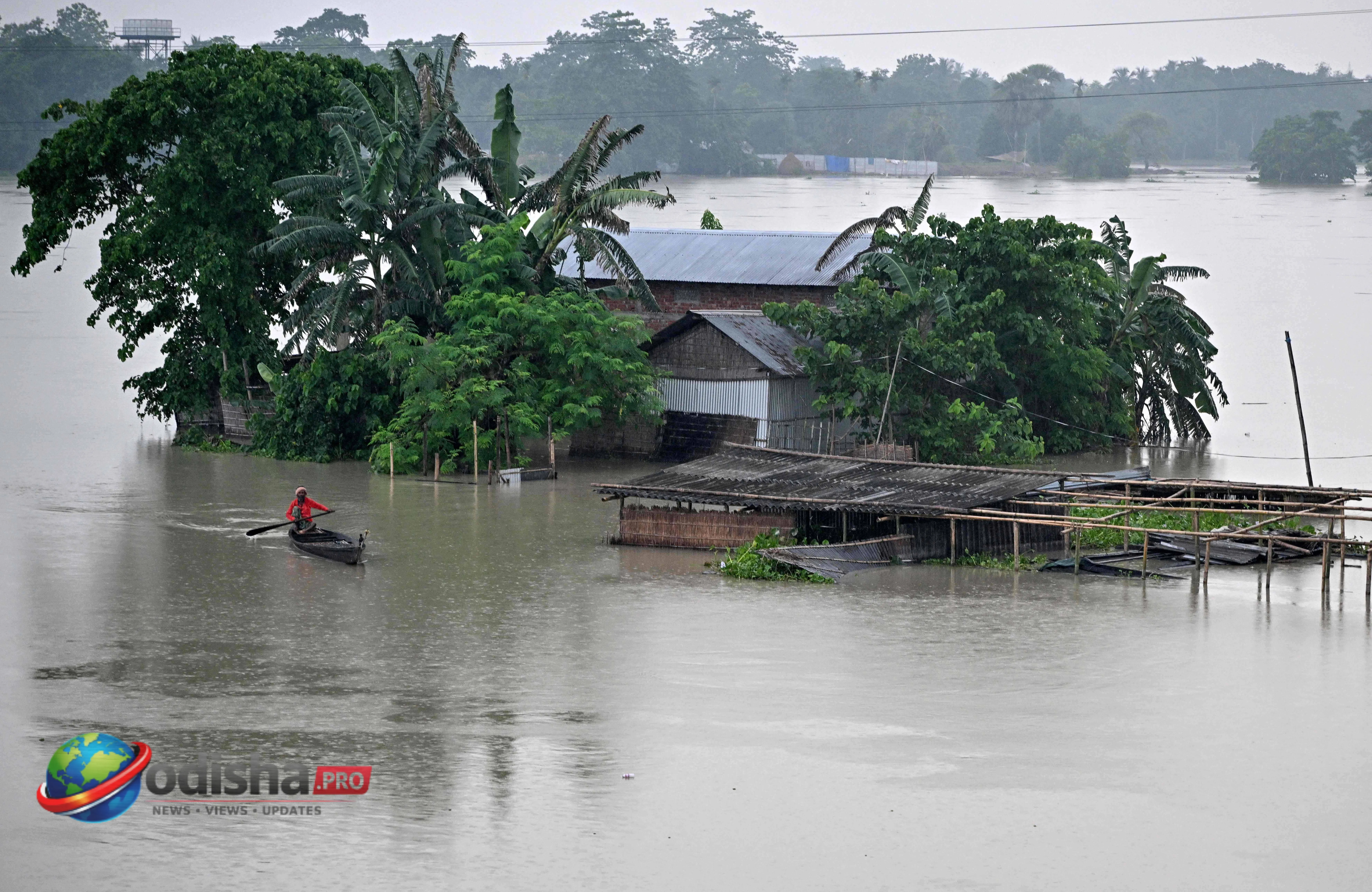
ଲଗାଣ ବର୍ଷା ପରେ ଆସାମରେ ପ୍ରକୃତିର ପ୍ରଳୟଙ୍କରୀ ରୂପ ଦେଖି...

ସାଗରମାଳା କାର୍ଯ୍ୟକ୍ରମ ଅଧୀନରେ ଓଡ଼ିଶା ଦେଶର ଅଗ୍ରଣୀ ରାଜ...

ରାଜ୍ୟରେ ଲଗାଣ ବର୍ଷା ଜାରି ରହିଥିବା ବେଳେ ବାଲେଶ୍ୱର ଜିଲ୍...

ଦିଲ୍ଲୀ-ଏନ୍‌ସିଆରରେ ପାଗରେ ହଠାତ୍ ପରିବର୍ତ୍ତନ ଦେଖା...
APAAR (Automated Permanent Academic Account Regist...

ଅଦାନୀ ଗ୍ରୁପ୍‌ର ଅଦାନୀ ଏନର୍ଜି ସଲ୍ୟୁସନ୍ସ ଲିମିଟେଡ...

ଲଘୁଚାପ ପ୍ରଭାବରେ ଲଗାଣ ବର୍ଷା ଯୋଗୁଁ ଢେଙ୍କାନାଳ ଜିଲ୍ଲାର...
ମାଓବାଦୀ ପ୍ରଭାବିତ ଅଞ୍ଚଳରୁ ଆସିଥିବା ଜଣେ ଆଦିବାସୀ ଛାତ୍ର...

ବଲାଙ୍ଗିର ଜିଲ୍ଲାର ଲୋୟର ସୁକତେଲ ପ୍ରକଳ୍ପକୁ ନେଇ ମଙ୍ଗଳବା...
SCERT ପାଠ୍ୟପୁସ୍ତକରେ ତ୍ରୁଟି ଘଟଣାକୁ ନେଇ ଚାଲିଥିବା କ୍ର...
