






After a turbulent 2025 marked by mass visa cancellations and delayed consular appointments, policy signals suggest that foreign professionals — especiallyearly-career workers and international students— may face steeper odds unless US courts step in to block the changes.
According to government data,visa cancellations surged to nearly 100,000 in 2025, more than double the previous year. Around10,000 of these were study and work visas, reflecting growing scrutiny of legal migration channels.
While the White House has occasionally spoken in favour of high-skilled migration, regulatory actions point in the opposite direction — withgreater background checks, re-reviews of approved cases and new compliance hurdlesfor employers and universities.
One of the most controversial proposals is a$100,000 annual fee on new H-1B visas, currently under judicial review. If implemented, the fee coulddeter companies from sponsoring foreign workers altogether, especially startups, universities and public institutions.
In addition, employers are bracing forstricter eligibility normsand higher compliance costs, making sponsorship riskier and more expensive.
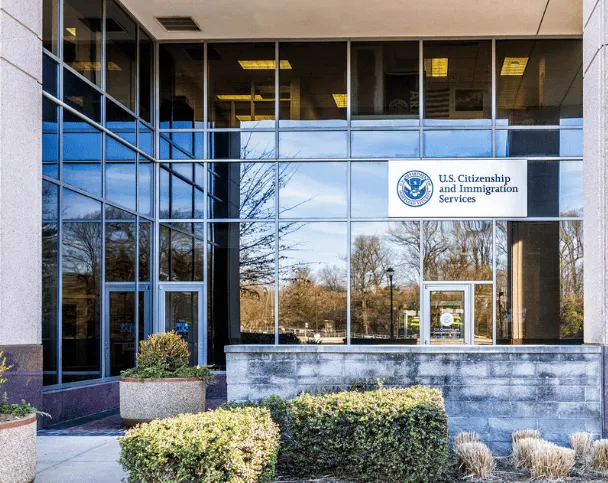
From 2026, the H-1B lottery is set to shift from a random draw to awage-weighted selection systemrun byUS Citizenship and Immigration Services.
High-wage, senior roles (Level IV)could see selection odds jump by over100%
Entry-level and junior applicants (Levels I & II)— nearly90% of all applicants— may see chances fall toaround 15%
This change disproportionately affectsrecent graduates and international students, who usually start at lower wage bands.
Students transitioning fromOPT and STEM OPTto H-1B status are expected to be hit hardest. Proposed curbs on post-study work options, stricter university oversight and limits on course duration couldshrink pathways from education to employmentin the US.
For many, the H-1B has been the bridge between American education and long-term careers — a bridge that now looks increasingly narrow.
Several key measures, including the$100,000 fee hikeand the wage-based lottery, are being challenged in US courts by business groups, universities and state governments such as California.
Legal experts say court rulings in 2026 will determinehow far the executive branch can reshape employment-based immigration without Congress. A single adverse judgment could delay or block the most restrictive rules.
After last year’s chaos — includingvisa interview backlogs stretching into late 2026 and even 2027— immigration lawyers are urging caution.
For now, H-1B holders and applicants should expect:
Greater uncertainty in processing timelines
Policies that favourexperience over potential
Higher financial and legal risks for employers
Possible relief only if courts intervene
Unless judicial challenges succeed,2026 may tilt the H-1B system sharply toward senior, high-paid professionals, leaving students and early-career talent with fewer opportunities — despite continued US dependence on foreign skills in tech, healthcare and engineering.
ଭାରତ ଓ ଜିମ୍ବାୱେ ମଧ୍ୟରେ ଜୁଲାଇ ୨୩ରୁ ଆରମ୍ଭ ହେବାକୁ ଥିବ...

ପବିତ୍ର ବାହୁଡ଼ା ଯାତ୍ରା ପାଇଁ ପୁରୀରେ ପ୍ରସ୍ତୁତି ଜୋରଦାର...

ଆସନ୍ତାବାହୁଡ଼ା ଯାତ୍ରାର ସୁରୁଖୁରୁ ପରିଚାଳନା ପାଇଁ ମୁଖ୍ୟ...
ଇଂଲଣ୍ଡ ଗସ୍ତରେ ଟି-୨୦ ଓ ଦିନିକିଆ ସିରିଜ୍‌ରେ ପରାଜୟ...

ମେଷ ଏହି ସପ୍ତାହ ଆପଣଙ୍କ କର୍ମକ୍ଷେତ୍ର ପାଇଁ ଉତ୍ସାହଜନ...

ଯାତ୍ରୀ ସୁରକ୍ଷାକୁ ଅଧିକ ଆଧୁନିକ ଓ ସୁଦୃଢ଼ କରିବା ଲକ୍ଷ୍ୟ...
ଭାରତୀୟ କ୍ରିକେଟ୍ ଦଳର ପୂର୍ବତନ ଅଫ୍‌ ସ୍ପିନର ରବିଚନ...

ସିଏମ୍ଓରୁ ଫାଇଲ ହଜିବା ମାମଲାରେ ନିର୍ଦ୍ଧାରିତ ସମୟ ସରିଥିଲ...
ବିଶ୍ୱକପ୍ ଫାଇନାଲରେ ସ୍ପେନ୍‌ ବିପକ୍ଷରେ ୦-୧ ଗୋଲରେ...