



When the United States changes its vaccine policies, the effects often resonate beyond its borders, sparking global debates about science, health, and public policy. Recently, the US government shifted some childhood vaccines—including influenza, rotavirus, meningococcal disease, and hepatitis A—from universal recommendations to a “shared decision-making” approach, where doctors and families decide together if a child should be vaccinated. This move has triggered discussions in India, amid growing vaccine hesitancy and misinformation.
However, Indian experts emphasize that this is a policy decision, not a change in scientific evidence. Dr. Poonam Sidana, Director of Neonatology and Paediatrics at CK Birla Hospital, explains that the American Academy of Pediatrics still stands by its scientific recommendations, and local immunisation strategies should be guided by national health needs rather than foreign policies.
India’s Universal Immunisation Programme (UIP), one of the world’s largest, prioritizes vaccines based on disease burden, hospitalisation risk, and mortality. Core vaccines like rotavirus and hepatitis B remain essential to protect children from life-threatening illnesses. Vaccines such as hepatitis A, influenza, RSV, and meningococcal disease, which are now optional in the US, are not part of India’s universal schedule and are typically offered selectively in private settings after consultation.
Experts note that while US policy shifts can influence public perception globally, India’s immunisation decisions rely on domestic public health data. Dr. Dhiren Gupta of Sir Ganga Ram Hospital highlights that shared decision-making is already practiced in India for certain vaccines but should not replace universal coverage for routine childhood immunisation.
One notable exception is the HPV vaccine. The CDC now recommends a single dose instead of multiple doses, based on evidence showing durable protection. Experts suggest that adopting a single-dose strategy in India could reduce costs, expand coverage, and enhance public health outcomes if implemented thoughtfully.
Overall, India is expected to maintain its universal childhood immunisation programme, ensuring population-level protection while offering select vaccines through shared decision-making where appropriate. Experts stress that universal guidelines, clear communication, and strong public health infrastructure remain the most effective way to safeguard children against preventable diseases.

ଜମ୍ମୁ-କଶ୍ମୀରର ଡୋଡାରେ ଏକ ଦୁଃଖଦ ଘଟଣା ସାମ୍ନାକୁ ଆସିଛି।...

ଦିଲ୍ଲୀର ସତ୍ୟ ନିକେତନ ଅଞ୍ଚଳରେ ରବିବାର ଅପରାହ୍ନରେ ଏକ ବି...

ନବରଙ୍ଗପୁର: ଗୋଟିଏ ଜମିରୁ ଧାନ ସହ ମାଛ ଚାଷ କରି ଚାଷୀଙ୍କ...

ଢେଙ୍କାନାଳ ଜିଲ୍ଲାରେ ଏକ ବଡ଼ ବସ୍ ଦୁର୍ଘଟଣାରୁ ପ୍ରାୟ ୫୦...

ଗୁଜରାଟ: ୬ ଲକ୍ଷ ଟଙ୍କାର ଋଣ ଶୁଝିବାରୁ ବଞ୍ଚିବା ଏବଂ ଋଣ ବ...

ଆମେ ପିଲାଦିନରୁ ଯେଉଁ ବିଶ୍ୱ ମାନଚିତ୍ର ଦେଖିଆସୁଛେ, ତାହା...
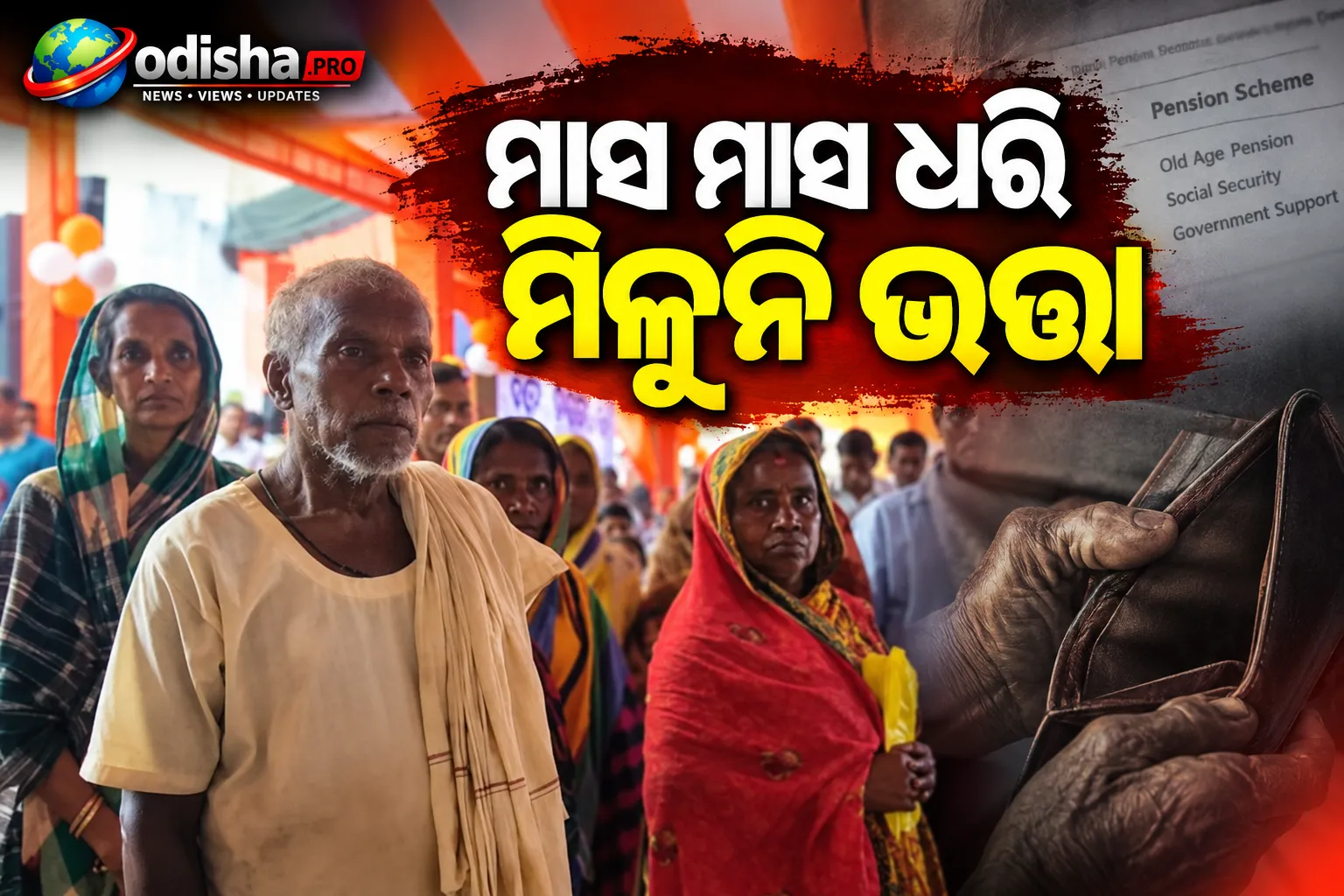
ଗଞ୍ଜାମ: ମାସ ମାସ ଧରି ସାମାଜିକ ସୁରକ୍ଷା ଭତ୍ତା ନମିଳିବାକ...
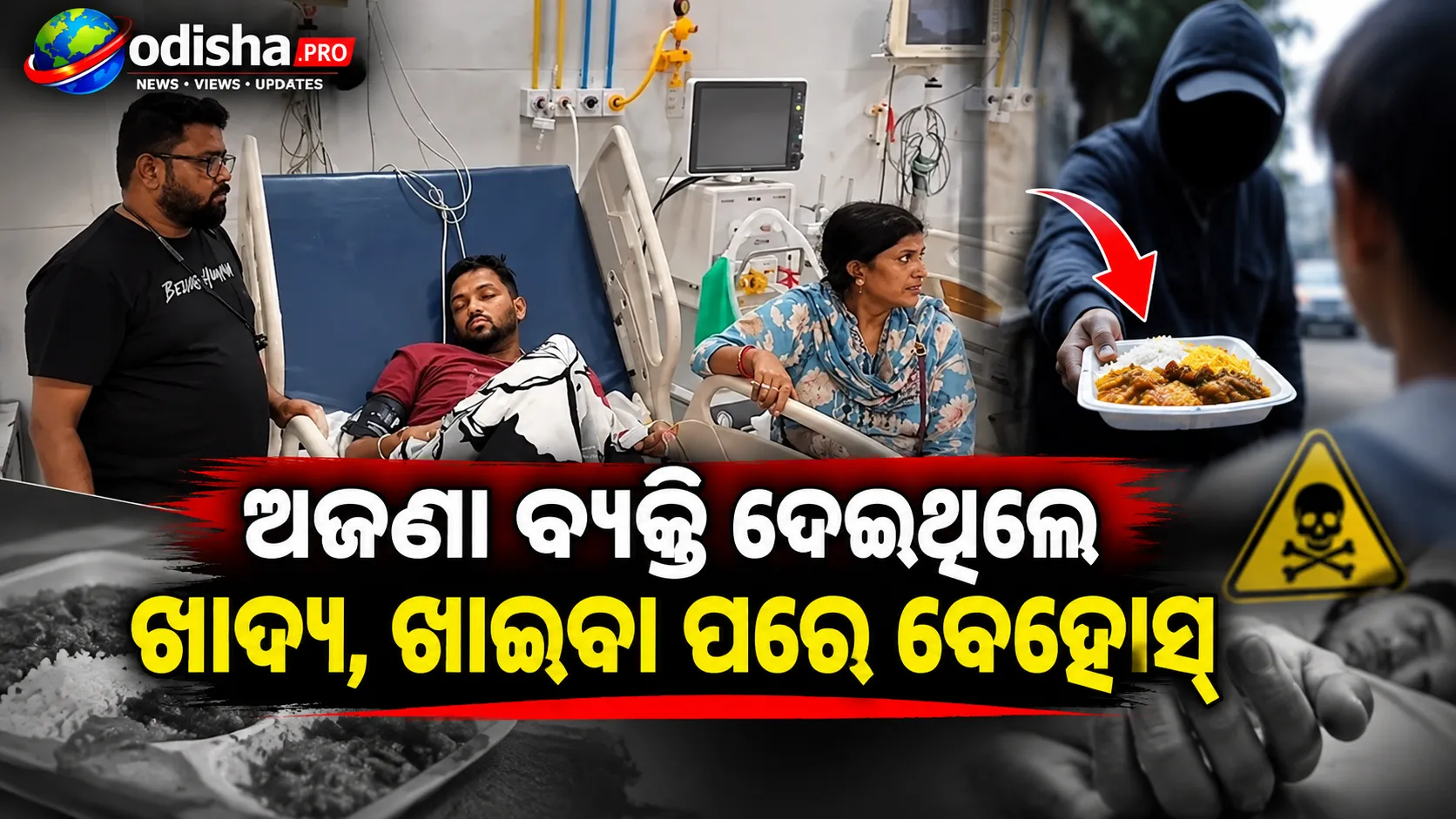
ଯାତ୍ରା ସମୟରେ ଅଜଣା ବ୍ୟକ୍ତିଙ୍କଠାରୁ ଖାଦ୍ୟ କିମ୍ବା ପାନୀ...
