





Skywatchers across India will witness the first supermoon of 2026 on Saturday, as the full Moon—popularly known as the ‘Wolf Moon’—lights up the night sky with an unusually bright and large appearance.
Astronomical data shows that the Moon will be positioned at a distance of about 3,62,641 kilometres from Earth, close to its perigee, or nearest point in its orbit. Due to this proximity, the Moon is expected to appear around 14 per cent larger and nearly 30 per cent brighter than an average full moon.
In India, the supermoon will be best visible shortly after sunset on January 3, with moonrise expected between 5:45 pm and 6 pm IST, depending on location. Although the peak full-moon phase will occur around 4 pm IST, the visual impact is most striking after moonrise, when the Moon appears low on the horizon.
Observers may notice the Moon appearing orange or yellow during its rise, a result of atmospheric scattering of shorter wavelengths of light. Additionally, the Moon may seem unusually large due to the “moon illusion,” a visual effect that makes celestial objects near the horizon appear bigger when viewed alongside terrestrial features.
The supermoon will be visible worldwide at different local times, aligned with regional moonrise. While India will experience it after sunset, parts of North America will see it in the early morning hours, and regions such as Europe, East Asia, and Australia later in the day.
January’s full moon is traditionally called the Wolf Moon, a name rooted in Northern Hemisphere folklore associated with wolves howling during winter nights. When this full moon coincides with perigee, it is classified as a Wolf Supermoon.
Astronomers note that supermoons are natural phenomena with no adverse impact on Earth. The event can be safely observed with the naked eye, though binoculars or telescopes may help reveal finer lunar details. Two more supermoons are expected later this year, on November 24 and December 23, while micromoons are forecast for May 1, May 31, and June 29.
ସୂଚନା ମିଳିବା ସହିତ ଅଧିକାରୀମାନେ ତୁରନ୍ତ ଘଟଣାସ୍ଥଳକୁ ପହ...

Sun Pharmaceutical Industries ଶେୟରରେ ଆଜି ଭାରି ପତନ...
ପଶ୍ଚିମବଙ୍ଗର ଆଗାମୀ ବିଧାନସଭା ନିର୍ବାଚନକୁ ନେଇ ରାଜନୀତି...
ଭାରତୀୟ ରେଳବାୟୀର ଗୌରବ ବନ୍ଦେ ଭାରତ ଏକ୍ସପ୍ରେସ୍ ଟ୍ରେନ୍...
ବିଶ୍ୱରେ ଚାଲିଥିବା ଭୌଗୋଳିକ ଓ ରାଜନୈତିକ ତଣାପୋଡ଼ର ପ୍ରଭା...
Infosys, Tata Consultancy Services ଓ HCLTech ଭଳି ପ...
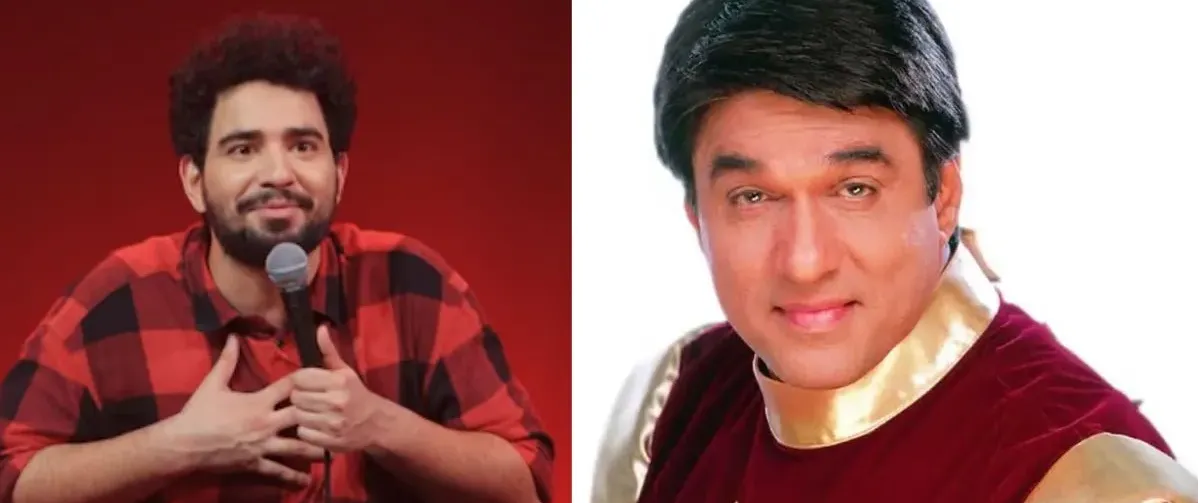
ସମୟ ରାଇନାଙ୍କ ନୂତନ ସ୍ଟ୍ୟାଣ୍ଡଅପ୍ ସ୍ପେସିଆଲ୍ “St...
ଡିଜିଟାଲ୍ ବ୍ୟାଙ୍କିଂ ଠକେଇ ଘଟଣା ବୃଦ୍ଧି ପାଉଥିବା ପରିପ୍ର...
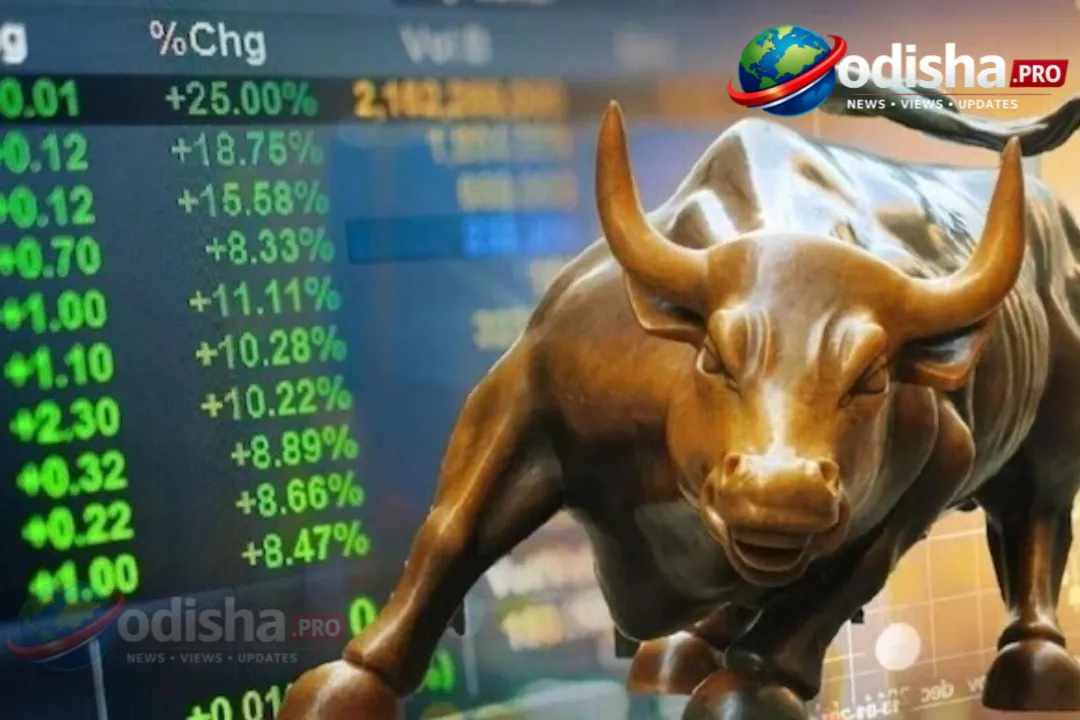
ଭାରତୀୟ ଶେୟର ବଜାରରେ ଆଜି ଜୋରଦାର ର୍ୟାଲି ଦେଖାଯାଇଛି, ସେ...