







India’s merchandise trade deficit has persisted across political regimes, but a closer examination of Economic Survey 2026 data reveals a meaningful shift in trade dynamics after 2014. During the UPA era from 2004 to 2014, both exports and imports surged on the back of strong global demand and rapid domestic growth. However, imports consistently outpaced exports, causing the trade deficit to expand nearly six-fold within a decade.
The post-2014 NDA period presents a different picture. Although the trade deficit continued to widen in absolute terms, the rate of deterioration slowed markedly. Export growth was more subdued compared to the UPA years, but import growth also decelerated sharply—reflecting a deliberate move away from an import-intensive growth model. Policies such as “Make in India” focused less on immediate export acceleration and more on reducing import dependence.
This moderation occurred despite global headwinds, including oil price volatility, the COVID-19 pandemic, supply-chain disruptions and geopolitical tensions. Viewed in this context, the comparison is not one of economic success versus failure, but of two distinct phases—one of rapid trade expansion with widening imbalances, and another of slower growth with greater control over trade-deficit momentum.

ଦିଲ୍ଲୀର ନୂଆଦିଲ୍ଲୀ ବିଧାନସଭା ନିର୍ବାଚନମଣ୍ଡଳୀ AC-40ରେ...

ଚେନ୍ନାଇ: ତାମିଲନାଡୁର TASMAC ରିଟେଲ୍‌ ମଦ ଦୋକାନର...

ଇନ୍ଦୋର: ରାହୁଲ ଗାନ୍ଧୀଙ୍କ ‘ଛାତ୍ରୋଁ କି ଗୁଞ୍ଜ&rs...
ଓଡ଼ିଆ ପ୍ରତିଭାଙ୍କୁ ରାଇନାଙ୍କ ସମର୍ଥନ ରାଇନା କହିଛନ୍ତ...
ବଙ୍ଗୋପସାଗରରେ ପାଣିପାଗର ପରିବର୍ତ୍ତନ ମଧ୍ୟରେ ଓଡ଼ିଶା ଉପକ...
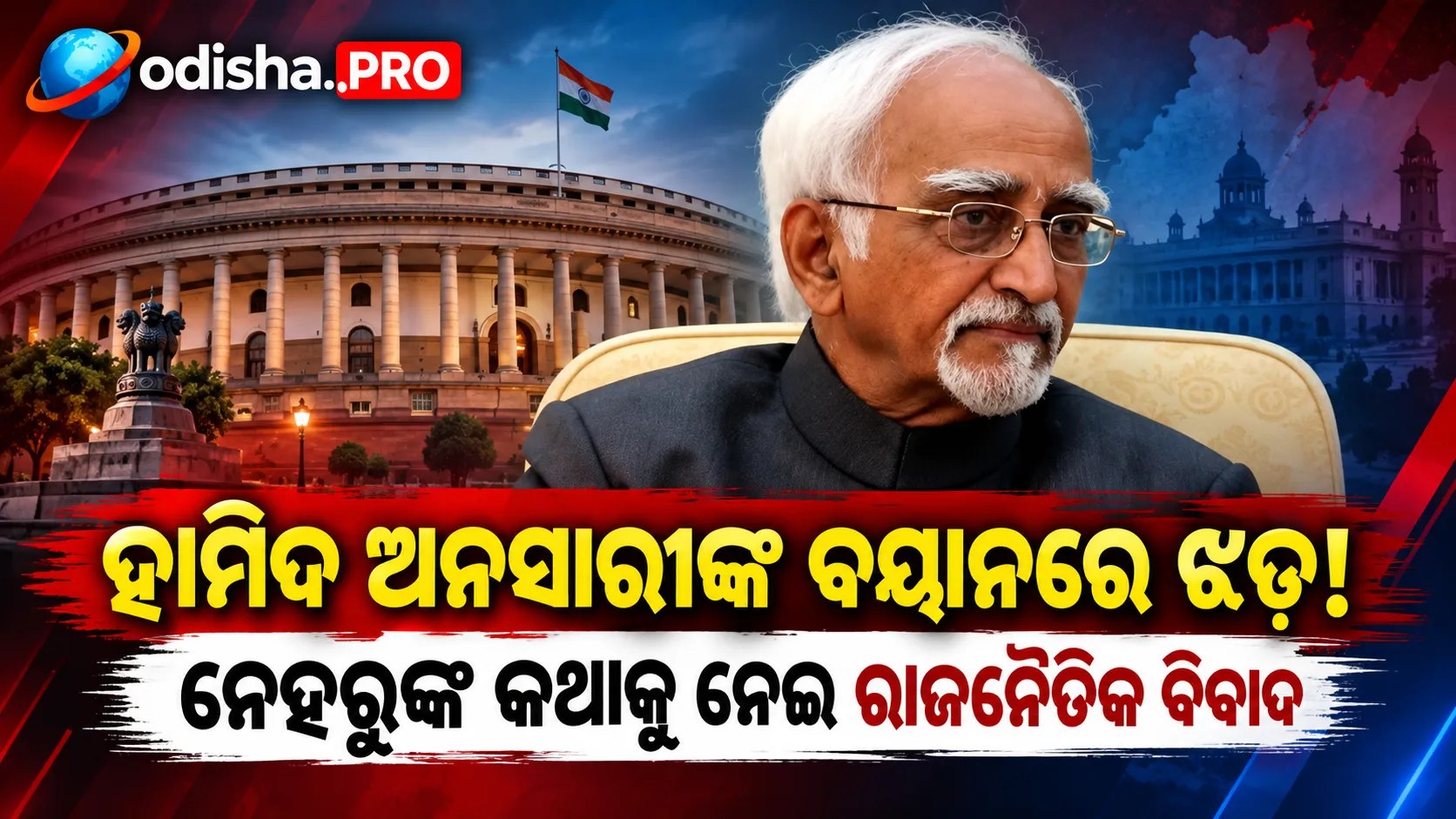
ନୂଆଦିଲ୍ଲୀର India Islamic Cultural Centreରେ ସେପ୍ଟେମ...
ଓଡ଼ିଆ ଜାତିର ଆତ୍ମା ଭାବେ ପରିଚିତ ମହାପ୍ରଭୁ ଶ୍ରୀଜଗନ୍ନାଥଙ...
କଟକ-ଭୁବନେଶ୍ୱର କମିଶନରେଟ୍ ପୋଲିସ ଅଧୀନରେ ଡ୍ୟୁଟି କରୁଥିବ...
