







One of the deepest structural weaknesses in India’s healthcare system is the persistently low level of public investment in health by both the central and state governments. This underfunding has directly contributed to weak health infrastructure, poor health indicators, and a heavy financial burden on households—problems that remain unresolved even after the devastating lessons of the COVID-19 pandemic.
India currently spends just 3.3 percent of its GDP on healthcare, a figure that includes both public and private expenditure. When government health spending alone is considered, the number drops to a troubling 1.84 percent of GDP. Among South Asian nations, India ranks near the bottom, performing better only than Pakistan and Bangladesh. Countries such as Nepal, Sri Lanka, Bhutan, and the Maldives allocate a significantly higher share of their national income to healthcare, while China spends over 5 percent of its GDP.
Globally, the contrast is even sharper. Advanced economies like the United States and the United Kingdom spend 16.5 percent and 10.5 percent of GDP respectively, while global health spending averaged 10.3 percent of GDP in 2021. Public health experts argue that India’s low investment reflects misplaced priorities rather than a lack of fiscal capacity.
The impact of this underinvestment is felt most acutely by ordinary citizens. Although India’s out-of-pocket healthcare spending has declined over time, it still accounted for 39.4 percent of total health expenditure in 2021–22. This means millions of families continue to pay directly for doctor consultations, medicines, diagnostic tests, and hospital care.
Public healthcare facilities remain overstretched, understaffed, and under-resourced. According to health advocacy groups, even limited government allocations are increasingly channelled toward insurance-based models and private sector partnerships rather than strengthening public hospitals and primary care systems.
Medical professionals have repeatedly raised alarms. The Indian Medical Association has highlighted that sustained underfunding of public healthcare, combined with rapid private sector expansion, has sharply increased household medical expenses. Nearly two-thirds of out-of-pocket spending is on outpatient care, particularly medicines.
The consequences are severe. Each year, more than 55 million Indians are pushed into poverty due to healthcare expenses alone. Experts such as Dr K. Srinath Reddy stress that meaningful reform must begin with strong investments in primary and secondary healthcare, which remain the backbone of affordable and accessible medical care.
Without a decisive shift toward strengthening public healthcare infrastructure, India’s ambitions of economic growth and regional leadership risk being undermined by growing health inequities at home.
**‘ମିର୍ଜାପୁର: ଦି ମୁଭି’**ରେ ଏକ ପ୍ରାୟ ୫୦...

ଓଡ଼ିଶାର ବିଭିନ୍ନ ଅଞ୍ଚଳରୁ ନାବାଳିକାଙ୍କୁ ନେଇ ୩ଟି ଦୁଷ୍କ...
ମାଲାୟାଲମ୍ ସୁପରଷ୍ଟାରମମୁଟ୍ଟିଙ୍କ ୭୫ତମ ଜନ୍ମଦିନରେ ତାଙ୍କ...

ବାଲେଶ୍ୱରରେ ସାମାନ୍ୟ କଥାକୁ ନେଇ ହୋଇଥିବା ବିବାଦ ଶେଷରେ ମ...
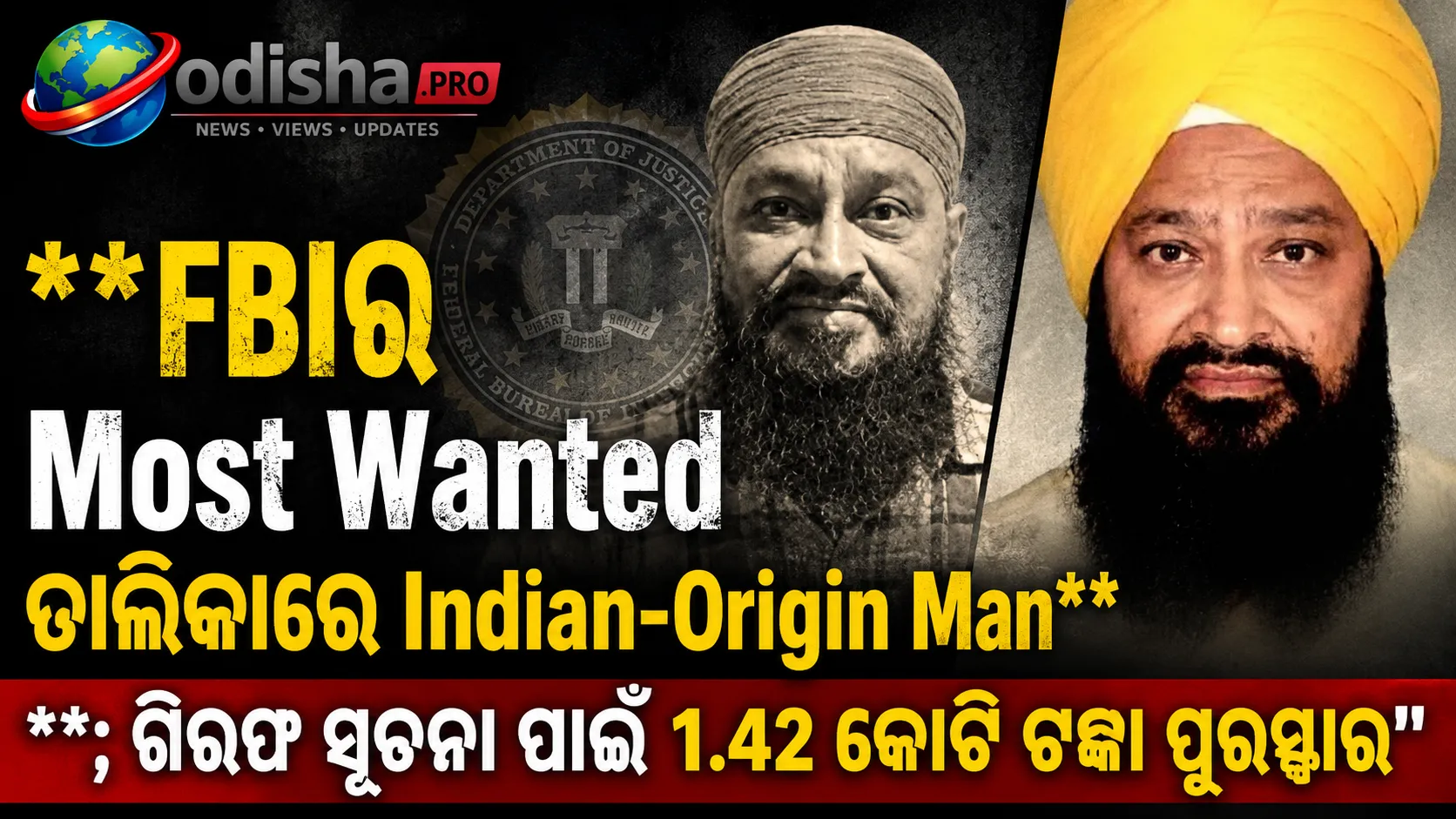
ଆମେରିକାର Federal Bureau of Investigation (FBI) ମଞ୍...

ଓଡ଼ିଶାରେ ମନ୍ଦିରଗୁଡ଼ିକୁ ଟାର୍ଗେଟ୍ କରି ଚୋରି ଘଟଣା ଥମିବ...

ଉତ୍ତରପ୍ରଦେଶରେ ଶ୍ରମିକ ଓ ଅନ୍ୟାନ୍ୟ ଦୁର୍ବଳ ପରିବାରର ପିଲ...
ଅଭିନେତ୍ରୀବିପାଶା ବାସୁନିଜ ଫିଲ୍ମ କ୍ୟାରିୟରର ଏକ ଗୁରୁତ୍ୱ...
‘ମିର୍ଜାପୁର: ଦି ମୁଭି’ବକ୍ସ ଅଫିସ୍ରେ ଜବରଦସ...