








AsHoli 2026approaches, celebrations are set to bring vibrant colours to streets and homes across India — but health experts are urging caution about thesynthetic powderswidely sold in markets. Many of these colours containharmful substancessuch as heavy metals, industrial dyes, silica and toxic chemicals that can negatively impact the skin, eyes and lungs.
On the skin, synthetic colours may triggeritching, rashes, contact dermatitis and chronic irritation— particularly in people with sensitive skin or allergies. Some formulations contain heavy metals likelead, mercury and chromium, which can worsen skin sensitivity and prolong recovery.
If colour particles enter the eyes, they can causeredness, burning, swelling or conjunctivitis, and in severe cases corneal abrasions. Contact lens wearers are especially vulnerable, as particles can become trapped behind the lens and exacerbate irritation. Without timely care, infections and temporary vision issues may arise.
Respiratory health is another significant concern. Fine, dry powders are easily inhaled and can irritate the airways, potentially triggeringasthma attacks, bronchitis or wheezing, especially in those with pre‑existing lung conditions. Prolonged or repeated exposure to toxic chemical dust may even increase the risk of chronic lung issues.
In addition to acute effects, accidental ingestion or heavy exposure to synthetic colours could affect internal organs such as the kidneys or liver, and pose additional risks for vulnerable groups including children and pregnant women.
Experts recommend safer alternatives such asnatural, herbal colours made from flowers, turmeric or beetroot, along with precautions like applying oil or moisturiser before playing, covering skin and eyes, and washing off colours promptly after festivities.
ବର୍ଷା ଆସିଲେ ସ୍କୁଲ ପାଲଟିଯାଏ ଦ୍ୱୀପ ଢେଙ୍କାନାଳ ଭୁବନ...
ଗୁରୁଗ୍ରାମରDLF Primus ପ୍ରକଳ୍ପକୁ ନେଇ ସୁପ୍ରିମକୋର୍ଟ କଡ...
ଲ ଯିବା ବାଟରେ ତୀରମାଡ଼ ଅଭିଯୋଗ ସୋମବାର ସମ୍ବଲପୁର ଜିଲ...
ମାରୁତି ସୁଜୁକି କାର୍ କିଣିବାକୁ ଯୋଜନା କରୁଥିବା ଗ୍ରାହକଙ୍...
ଜନଶୁଣାଣିରେ ଅଭାବନୀୟ ଘଟଣା ରାୟଗଡ଼ା ଜିଲ୍ଲାପାଳଙ୍କ ଜନ...
ରୋଜଗାର ପାଇଁ ଯାଇଥିଲେ, ଫେରିଲା ମୃତଦେହ ରାୟଗଡ଼ ବ୍ଲକ...
ବୀମା ପଲିସି କିଣିବା ପରେ ଅନେକ ଲୋକଙ୍କ ପାଇଁ ସବୁଠୁ ବଡ଼ ସ...
ଟାଟା ମାଲିକାନାଧୀନJaguar Land Rover (JLR)ବ୍ରିଟେନ୍ରେ...
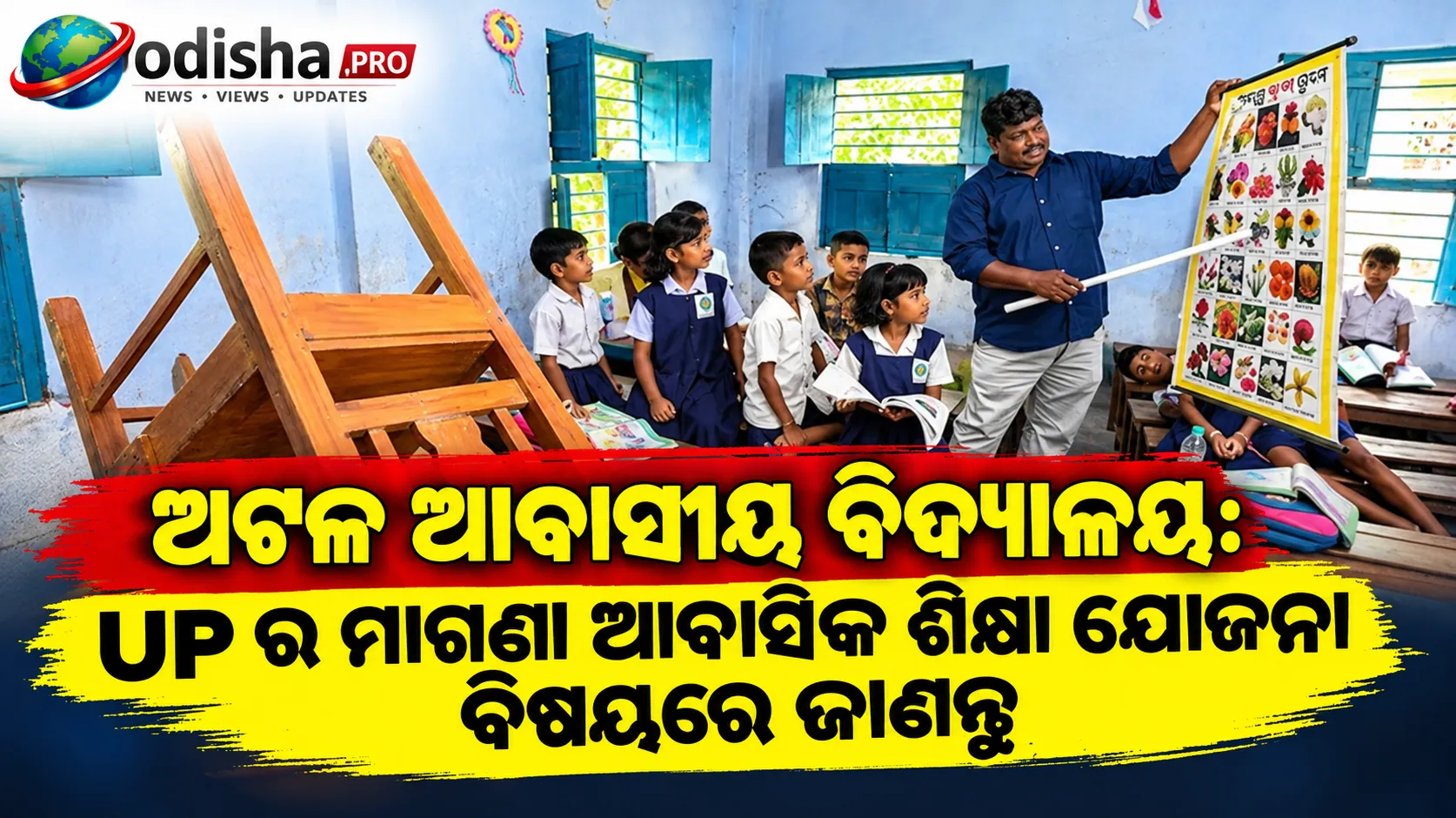
ଉତ୍ତରପ୍ରଦେଶରେ ଶ୍ରମିକ ଓ ଅନ୍ୟାନ୍ୟ ଦୁର୍ବଳ ପରିବାରର ପିଲ...