










India’s economy is estimated to have staged a strong rebound in FY26, expanding by7.4%, up from6.5%in the previous financial year, according to government data released on January 7. The improvement marks a return to stronger growth momentum following a period of moderation.
The recovery comes ahead of a major methodological revision to national accounts and reflects sustained support from investment, consumption, and policy interventions throughout the year.
Investment emerged as a key engine of the rebound.Gross Fixed Capital Formation (GFCF)is estimated to have grown7.8% in FY26, compared with7.1%a year earlier, indicating higher spending by businesses on infrastructure, machinery and long-term projects.
Household consumption also remained resilient.Real Private Final Consumption Expenditure (PFCE)is estimated to have increased7%, supported by easing inflation and policy measures that helped preserve purchasing power for much of the year.
Government initiatives played a significant role in underpinning growth.Income tax relief and efforts to rationalise GST rateshelped strengthen consumer demand, even as global economic conditions remained uncertain.
Although export growth was weighed down by global trade tensions and tariff-related challenges, robust domestic demand helped offset external pressures and kept overall growth on track.
The services sector remained the backbone of the economy.Real Gross Value Added (GVA)from services is estimated to have grown7.3% in FY26, making the largest contribution to overall growth.
Financial, real estate and professional services, along with public administration, defence and other services, recorded strong expansion of9.9%at constant prices. Trade, hotels, transport, communication and broadcasting-related services are estimated to have grown7.5%.
The secondary sector also posted consistent growth. Manufacturing and construction together are estimated to have expanded by7%at constant prices, reflecting stable demand and sustained infrastructure spending.
Growth in agriculture and allied activities remained moderate at3.1%, while electricity, gas, water supply and other utility services grew by2.1%during the year.
Monetary policy provided additional support. TheReserve Bank of India cut policy rates by a cumulative 125 basis points, bringing the benchmark rate down from 6.5% over the course of the year. Lower borrowing costs helped ease financial pressures on households and businesses, encouraging spending in interest-sensitive sectors such as housing and investment.
Overall, the FY26 growth estimates suggest that a combination of policy support, easing inflation and resilient domestic demand helped India’s economy regain momentum despite a challenging global environment.
ପ୍ଲାଷ୍ଟିକ୍ ବୋତଲରେ ଘର!ଶୁଣିବାକୁ ଅଜବ ଲାଗିଲେ ମଧ୍ୟ ବାଂଲ...

ତାମିଲନାଡୁରେ ଜବାହର ନବୋଦୟ ବିଦ୍ୟାଳୟ ସ୍ଥାପନ ଓ ଭାଷା ନୀତ...
ଆଫଗାନିସ୍ତାନର ରାଜନୈତିକ, ମାନବୀୟ ଓ ସୁରକ୍ଷା ପରିସ୍ଥିତିକ...

ଓଡ଼ିଶାରେ ସ୍ମାର୍ଟ ଶିକ୍ଷା ବ୍ୟବସ୍ଥାକୁ ନେଇ ଗୁରୁତ୍ୱ ଦିଆ...
ବାୟୁ ପ୍ରଦୂଷଣ କେବଳ ଫୁସ୍ଫୁସ୍ ଓ ଶ୍ୱାସକ୍ରିୟା ଉପରେ ପ୍ରଭ...
ବାୟୁ ପ୍ରଦୂଷଣ କେବଳ ଫୁସଫୁସ ଓ ଶାରୀରିକ ସ୍ୱାସ୍ଥ୍ୟକୁ ନୁହ...
ଭାରତୀୟ ବଜାରରେ ବିକ୍ରି ହେଉଥିବା କିଛି ପାକିସ୍ତାନୀ ନିର୍ମ...
ଯୁବ ପ୍ରଫେସନାଲ୍ମାନଙ୍କ ପାଇଁ ଚାକିରିରେ ଅଧିକ salary ପାଇ...

ବାପୁର ତହସିଲ କାର୍ଯ୍ୟାଳୟରେ ଜାତି ପ୍ରମାଣପତ୍ର ପ୍ରଦାନରେ...

ଓଡ଼ିଶା ଉଚ୍ଚଶିକ୍ଷା ବିଭାଗ ୨୦୨୬-୨୭ ଶିକ୍ଷାବର୍ଷ ପାଇଁ ପୋ...
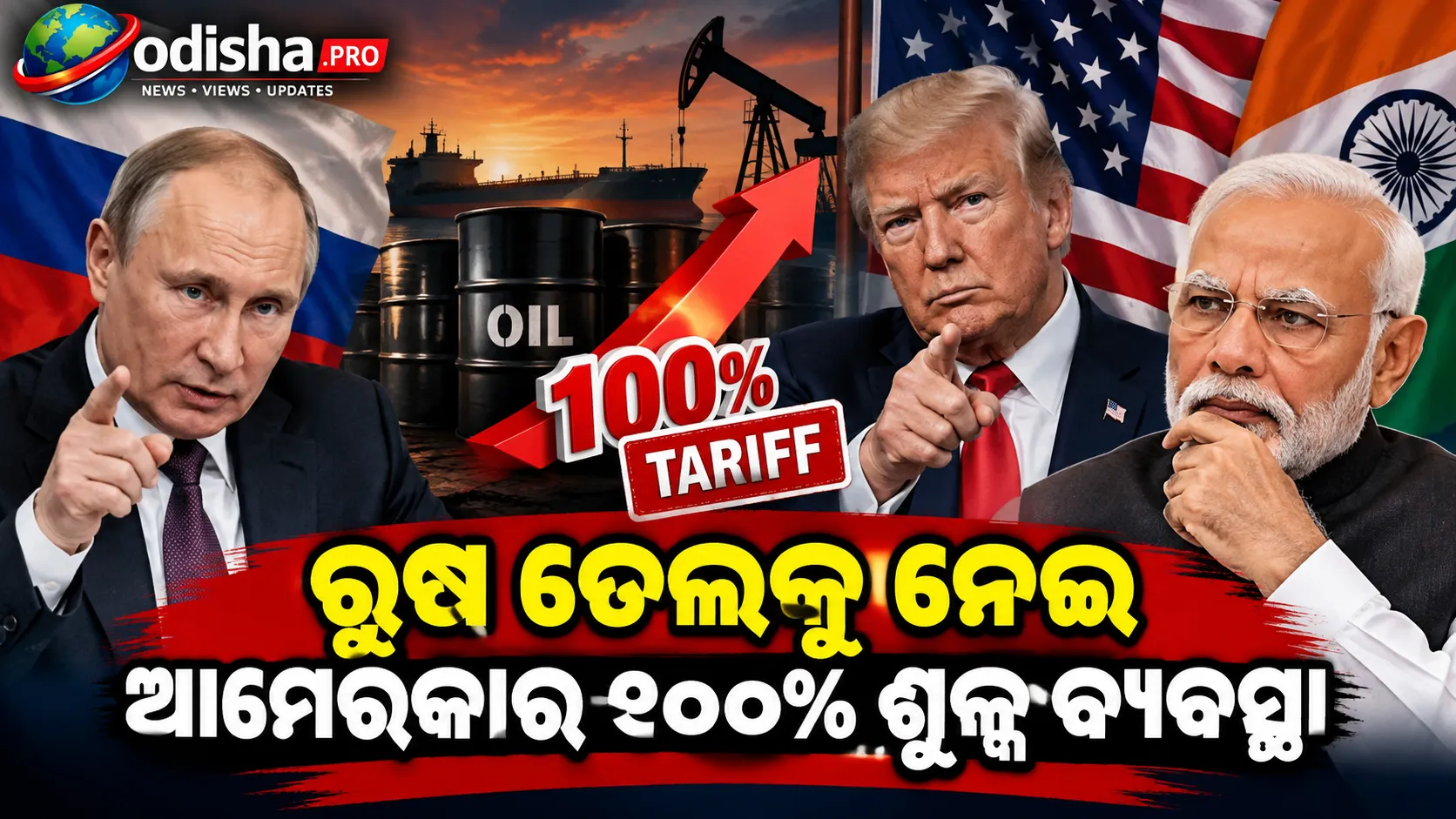
ରୁଷରୁ ତେଲ ଓ ଅନ୍ୟ ଶକ୍ତି ଉତ୍ପାଦ କିଣୁଥିବା ଦେଶଗୁଡ଼ିକ ଉ...
ଆମେରିକାରେ ଗ୍ରୀନ୍‌ କାର୍ଡ ପାଇଁ ନୂଆ ‘ପବ୍ଲି...