






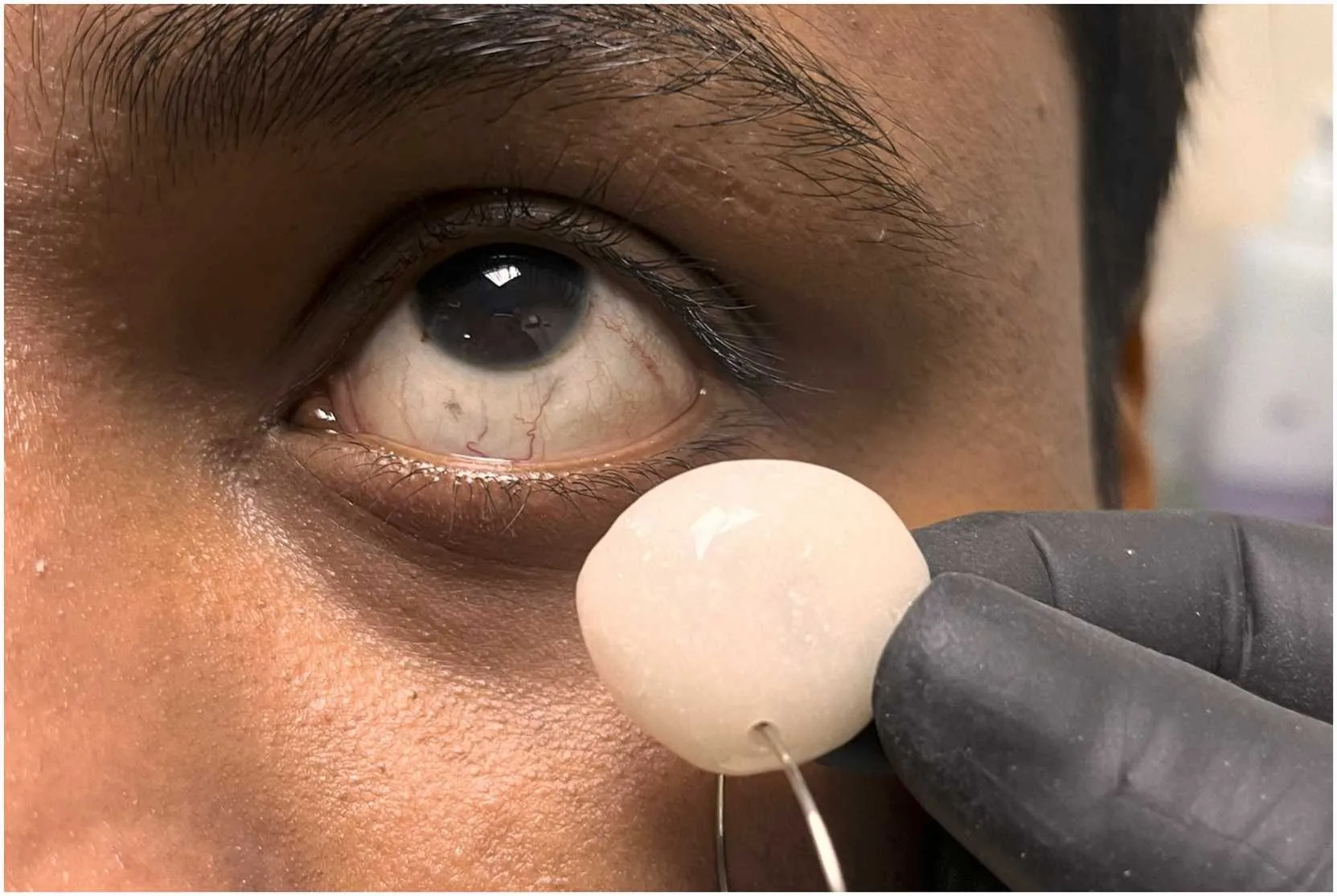
A potential breakthrough in preventing corneal blindness in India
Every year, millions in India lose vision not because treatment is impossible, but because corneal disease is detected too late or lacks effective early-stage therapy. Corneal blindness remains one of the country’s most overlooked yet devastating public health challenges.
Nearly 50 million Indians are estimated to have some form of corneal fibrosis or scarring, which can progressively block vision. Around 1.2 million people suffer from blindness in both eyes, while another 10 million live with blindness in one eye. Alarmingly, about 70% of corneal blindness is caused by fibrosis—a condition that could potentially be prevented if addressed early.
“This could be prevented with the right therapy at an early stage,” says Nikkhil K. Masurkar, CEO of Entod Pharmaceuticals. Currently, most patients reach doctors only when the disease has advanced, requiring corneal transplants (keratoplasty). India performs around 30,000 corneal transplants annually, but the actual need is closer to 1,00,000, with eye donations far below demand.
World-first losartan eye drops from India
Against this backdrop, Entod Pharmaceuticals has developed the world’s first ophthalmic formulation of losartan to manage corneal scarring—a leading cause of preventable vision loss.
Traditionally used as an oral drug for blood pressure and heart conditions, losartan has been shown in research to have strong anti-fibrotic activity in corneal tissue. Entod’s R&D team repurposed and stabilized it into a topical eye drop using proprietary EyeBS advanced ionic buffer technology at their DSIR-approved research centre in Navi Mumbai.
The drug, to be marketed under the nameOcuzart, will be prescription-only once approved by India’s Central Drugs Standard Control Organisation (CDSCO). Masurkar calls this “the single largest improvement in corneal blindness prevention in decades,” aiming to stop fibrosis early, before transplants become necessary.
From research to human trials
Developing a stable ophthalmic formulation of losartan was unprecedented globally. Entod built analytical methods from scratch, testing sterility, pH, osmolarity, and stability. The company is preparing to start Phase II clinical trials in India, followed by Phase III studies, with hopes for marketing authorisation within two years.
“Delays have real consequences,” Masurkar emphasizes. “The longer it takes, the more corneal blindness continues to affect vision in India. This blindness is irreversible, but it is preventable.”
Younger people are increasingly affected due to infections, chemical burns, ocular trauma, and workplace injuries. Once approved, losartan eye drops could significantly reduce corneal fibrosis, enhance corneal clarity, and improve vision rehabilitation, say experts like Dr. K. V. Satyamurthy of M M Joshi Eye Institute.
Over the past 18 months, Entod has also launched India’s first eye drops for presbyopia and a world-first ophthalmic therapy for myopia in children, cementing its role as a leader in innovative ophthalmic solutions.
ଦିଲ୍ଲୀର ସତ୍ୟ ନିକେତନରେ ‘Hostel Daze’ ନା...
ମହାରାଷ୍ଟ୍ରର ପୁଣେ ଓ ପିମ୍ପ୍ରି-ଚିଞ୍ଚୱାଡ ଅଞ୍ଚଳରେ ରବିବା...

ମାରୁତି ସୁଜୁକି କାର୍ କିଣିବାକୁ ଯୋଜନା କରୁଥିବା ଗ୍ରାହକଙ୍...
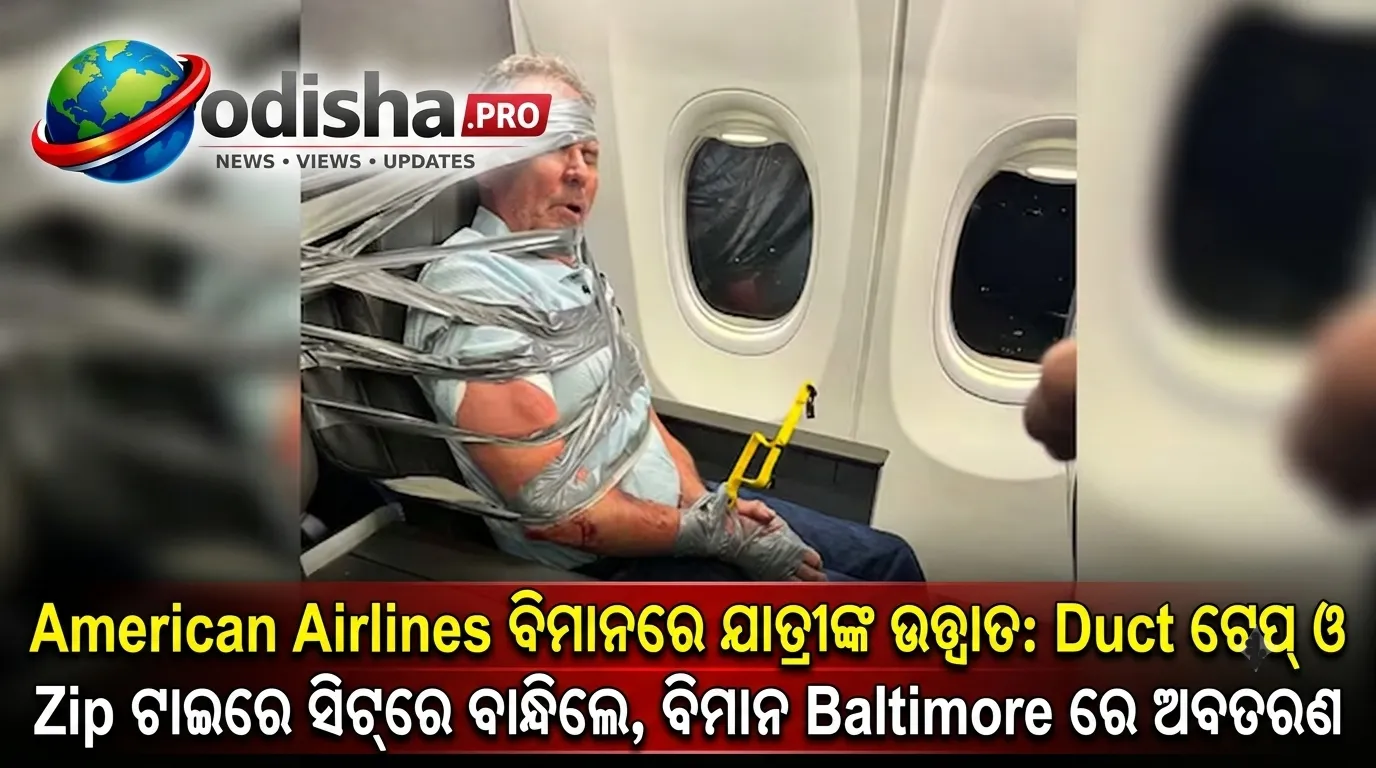
ଆମେରିକାନ୍ ଏୟାରଲାଇନ୍ସର ଏକ ଉଡ଼ାଣ ବେଳେ ଜଣେ ଯାତ୍ରୀଙ୍କ...
ଉତ୍ତରପ୍ରଦେଶରେ ଶ୍ରମିକ ଓ ଅନ୍ୟାନ୍ୟ ଦୁର୍ବଳ ପରିବାରର ପିଲ...
ଦକ୍ଷିଣ ଦିଲ୍ଲୀର ସତ୍ୟ ନିକେତନରେ ଭୁଶୁଡ଼ି ପଡ଼ିଥିବା ଏକ P...

ଗୁରୁଗ୍ରାମରDLF Primus ପ୍ରକଳ୍ପକୁ ନେଇ ସୁପ୍ରିମକୋର୍ଟ କଡ...

ଟାଟା ମାଲିକାନାଧୀନJaguar Land Rover (JLR)ବ୍ରିଟେନ୍ରେ...

ବୀମା ପଲିସି କିଣିବା ପରେ ଅନେକ ଲୋକଙ୍କ ପାଇଁ ସବୁଠୁ ବଡ଼ ସ...