



On the night India’s first IVF baby was born, Dr. Indira Hinduja wasn’t focused on headlines or history—she was focused on risk. In a Mumbai hospital in the late 1970s, IVF was new globally and entirely untested in India, leaving no precedents or protocols to follow. The margin for error was nearly zero, and failure could reinforce widespread fears and stigma around assisted reproduction.
At a time when infertility was largely treated as a social shame and women bore the brunt of blame, Dr. Hinduja pursued a bold, scientifically ambitious path. Working in a male-dominated medical ecosystem with limited infrastructure, she pressed forward with assisted reproductive technology despite scepticism about its feasibility and ethics.
When the delivery succeeded, there was no fanfare—only relief. Its significance became clear later: a new chapter in reproductive medicine had begun, offering hope to couples long confined by unanswered questions and societal silence. This single birth marked the start of IVF in India, a field that would grow gradually, face resistance, and eventually enter mainstream medical practice.
Dr. Hinduja’s impact went beyond technical achievement. She helped transform the conversation on infertility from one of shame to one of science, encouraging early medical intervention and opening doors to solutions for countless couples. Her pioneering work earned her national recognition, including the Padma Shri, but her most enduring legacy lies in the lives quietly transformed without publicity or spectacle.
Today, IVF is widely accepted across India, backed by decades of research and regulation. Yet its origins trace back to a tense operating room, a pioneering woman’s courage, and the steady hand that turned a radical experiment into a life-changing breakthrough. Dr. Hinduja’s story is a testament to the bravery, precision, and perseverance required to be first.
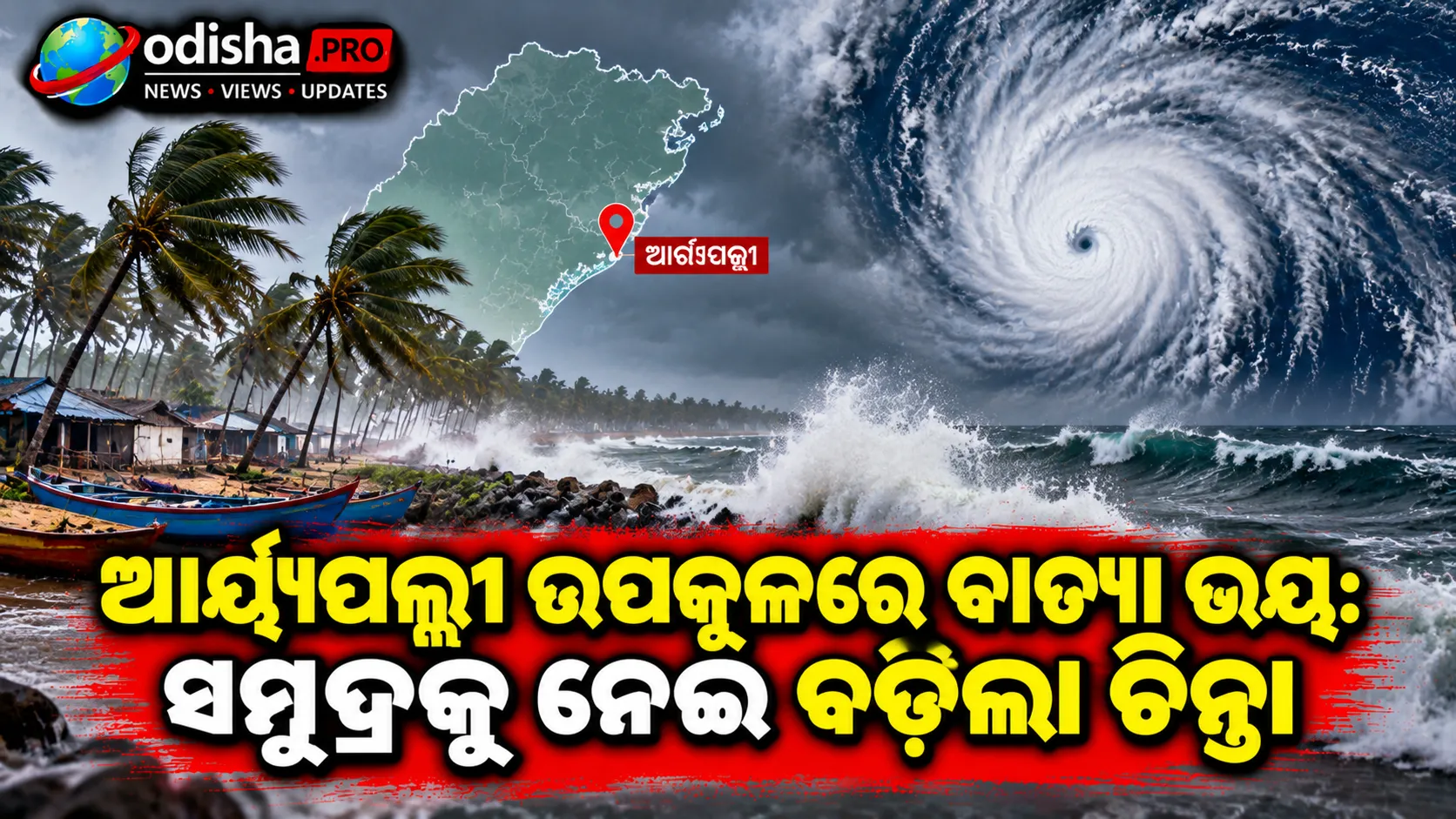
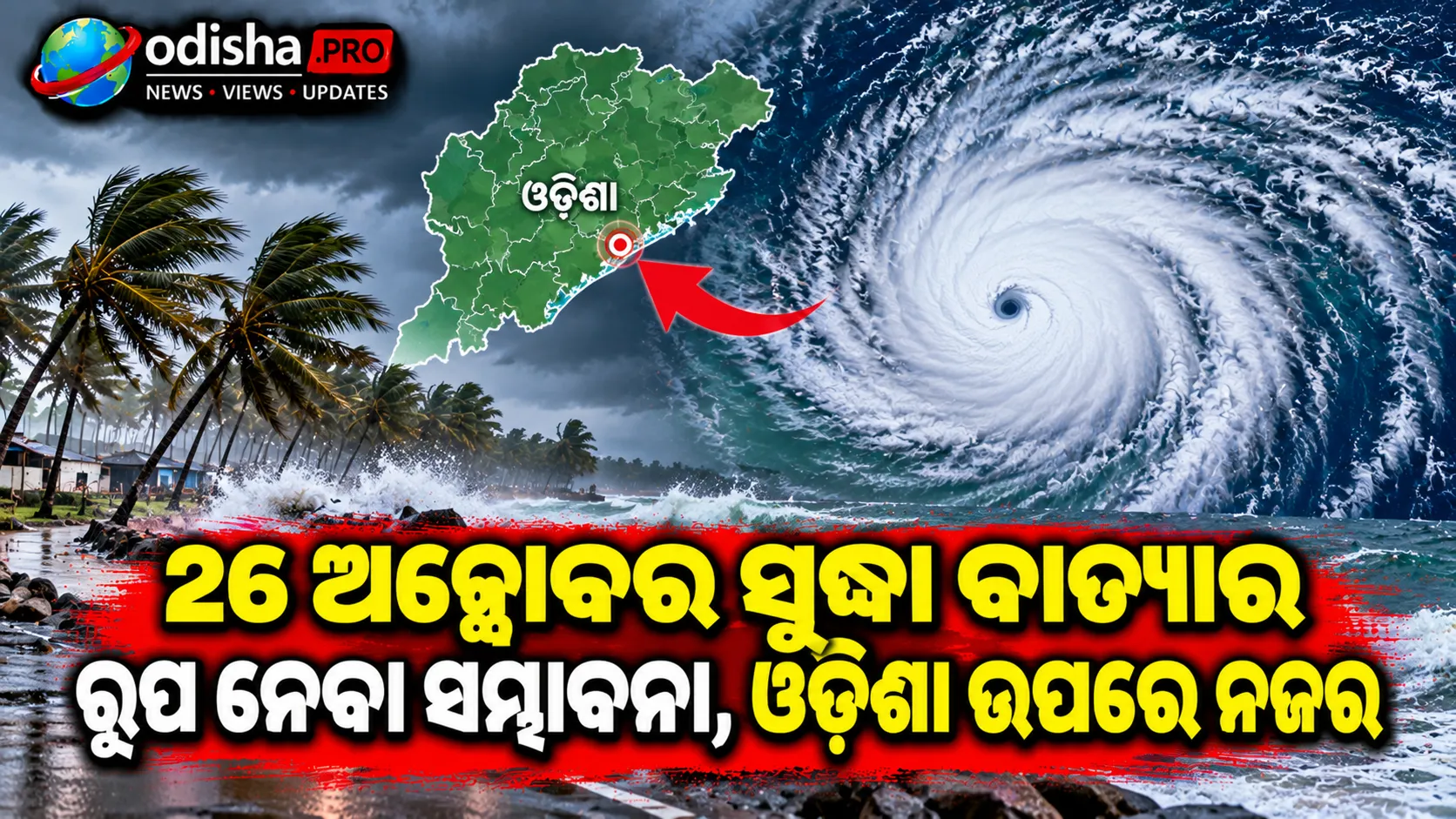
ବଙ୍ଗୋପସାଗରରେ ନୂଆ ପାଣିପାଗ ପ୍ରଣାଳୀ IMDର ସମୁଦ୍ର ବୁ...
ହଟିଲା Dhumavathiଙ୍କ ଚର୍ଚ୍ଚିତ ଡ୍ୟାନ୍ସ ସିନ୍ Netfl...

ଭୁବନେଶ୍ୱର: ବଙ୍ଗୋପସାଗରରେ ପୁଣି ଏକ ନୂଆ ପାଣିପାଗ ପ୍ରଣାଳ...
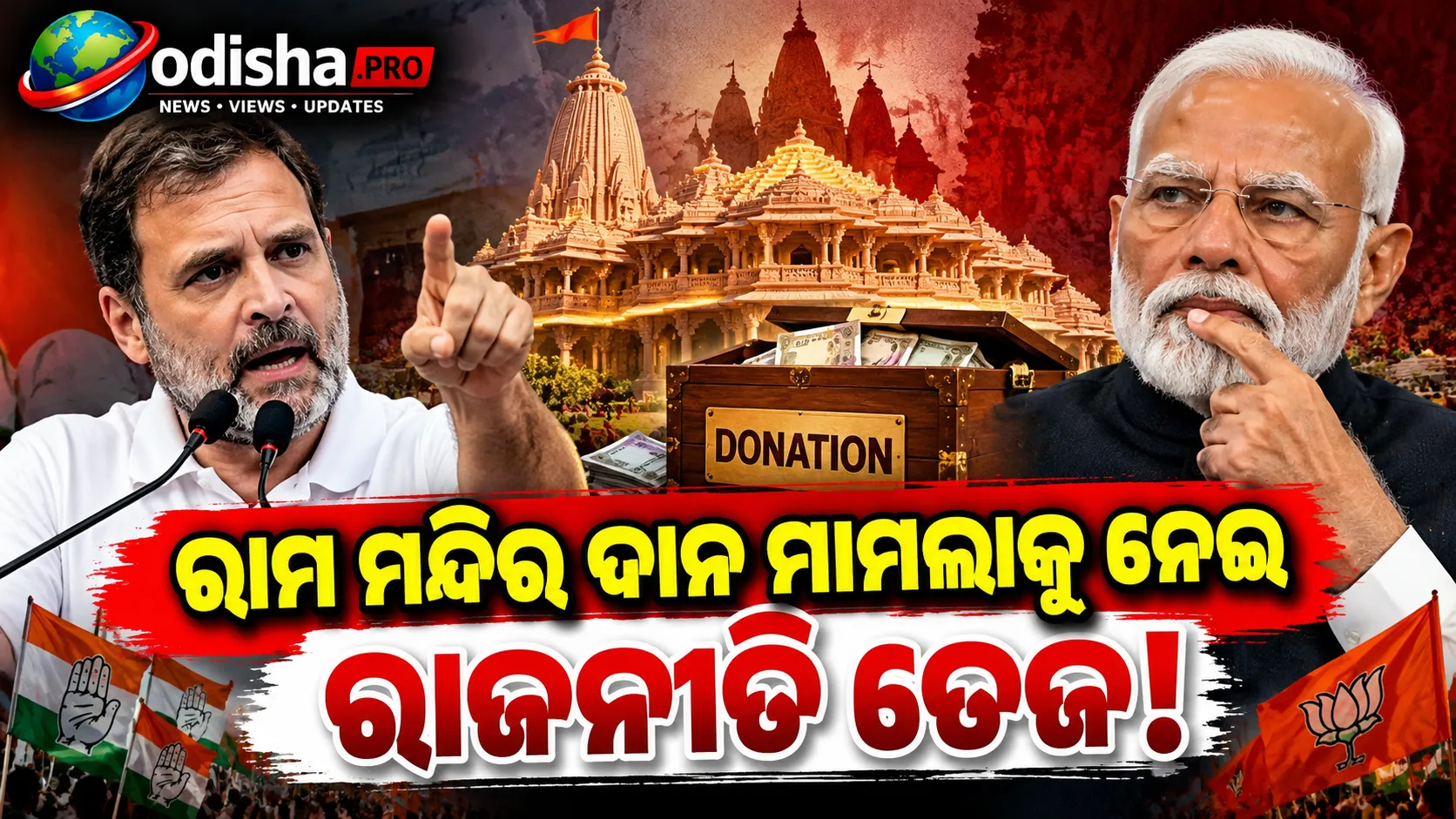
ନୂଆଦିଲ୍ଲୀ: ଅଯୋଧ୍ୟାର ରାମ ମନ୍ଦିର ଦାନ ଓ ଜମି କାରବାରକୁ...
ପଞ୍ଜାବୀ ଗାୟକ ଓ ଅଭିନେତା ଦିଲଜିତ ଦୋସାଞ୍ଜଙ୍କ ଦିଲ୍ଲୀ କନ...
ଅକ୍ଟୋବର ୧୮ ତାରିଖରେ ମୁମ୍ବାଇର ଜୁହୁ ଅଞ୍ଚଳରେ ଟାଇଗର ଶ୍ର...
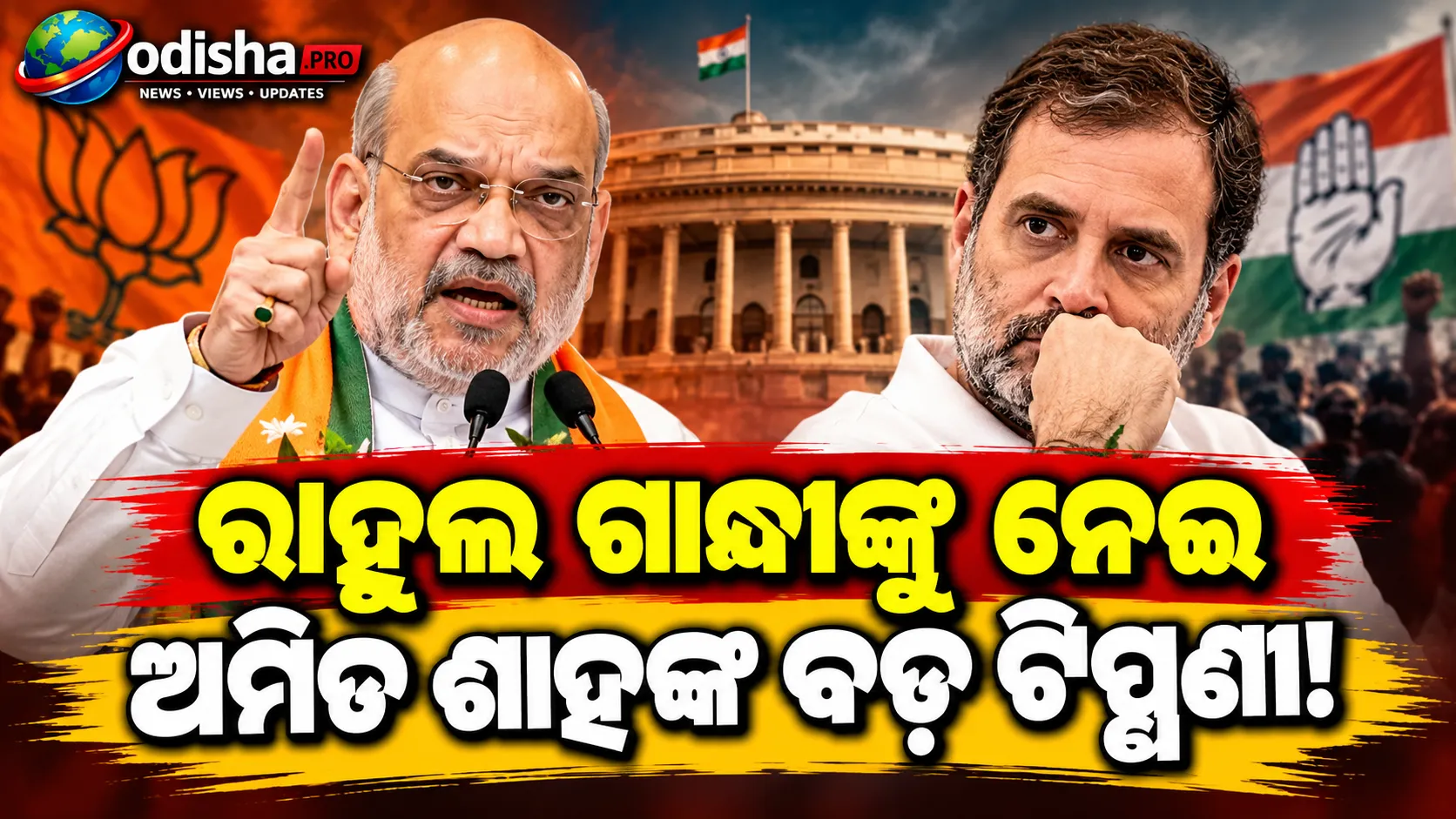
କଂଗ୍ରେସ ଏବଂ ଏହାର ସହଯୋଗୀ ଦଳଗୁଡ଼ିକ ନିର୍ବାଚନୀ ଭୋଟର ତା...

କେନ୍ଦ୍ର ଗୃହ ଓ ସହକାରିତା ମନ୍ତ୍ରୀ ଅମିତ ଶାହ ଆଜି, ଅକ୍ଟୋ...