




Cricket once thrived on simple anticipation—the rustle of printed schedules, neighbourhood debates over team selections and the shared excitement of a World Cup that felt larger than life. Today, as a 20-team T20 World Cup begins across multiple host cities, the sport finds itself at a crossroads between that nostalgic purity and the heavy realities of modern geopolitics.
Global tournaments that once united fans now arrive surrounded by boycotts, withdrawals and political tension. Conversations ahead of this World Cup have focused less on emerging stars and more on who refused to play, where matches will be held and how diplomatic disputes shape sporting decisions. The shift reflects a broader change in cricket’s ecosystem, where administrative narratives increasingly compete with on-field drama.
Recent years have underscored this transformation. Hybrid hosting models, strained bilateral relations and symbolic controversies—from handshake disputes to venue relocations—have repeatedly pushed cricket beyond the boundary rope into geopolitical territory. While such compromises have kept tournaments alive, they have often diluted the emotional continuity that once defined global competitions.
Yet the expanded 20-team format also carries profound promise. New entrants such as Italy, alongside resurgent sides like Nepal and ambitious challengers including the United States, embody cricket’s evolving global identity. Their journeys—shaped by migration, aspiration and grassroots passion—represent the inclusive future administrators long envisioned for the sport.
Traditional powers arrive with their own narratives. India seek the rare feat of defending a T20 World Cup title amid generational transition. Australia and England aim to reaffirm established dominance, while South Africa and New Zealand continue their pursuit of defining tournament glory. Pakistan, too, carry expectation and resilience, hoping performance can rise above politics.
Across iconic venues—from Mumbai’s Wankhede Stadium to Kolkata’s Eden Gardens and Kandy’s Pallekele—the tournament offers cricket a chance to reclaim attention through the simplest language it knows: competition. T20 cricket’s unpredictability ensures upsets, breakout stars and moments powerful enough to momentarily silence off-field noise.
The deeper question, however, extends beyond one tournament. With cricket set to return to the Olympic stage in 2028, the sport faces a defining test of unity and global relevance. Whether this World Cup becomes merely another event shaped by external pressures or a genuine reset driven by on-field magic may determine how the next generation experiences the game.
For many fans, hope persists in cricket’s enduring ability to surprise. Once the first ball is bowled, narratives can shift quickly—toward fearless batting, dramatic finishes and shared celebration. If those moments grow loud enough, they may yet remind the world why cricket once felt like pure magic.
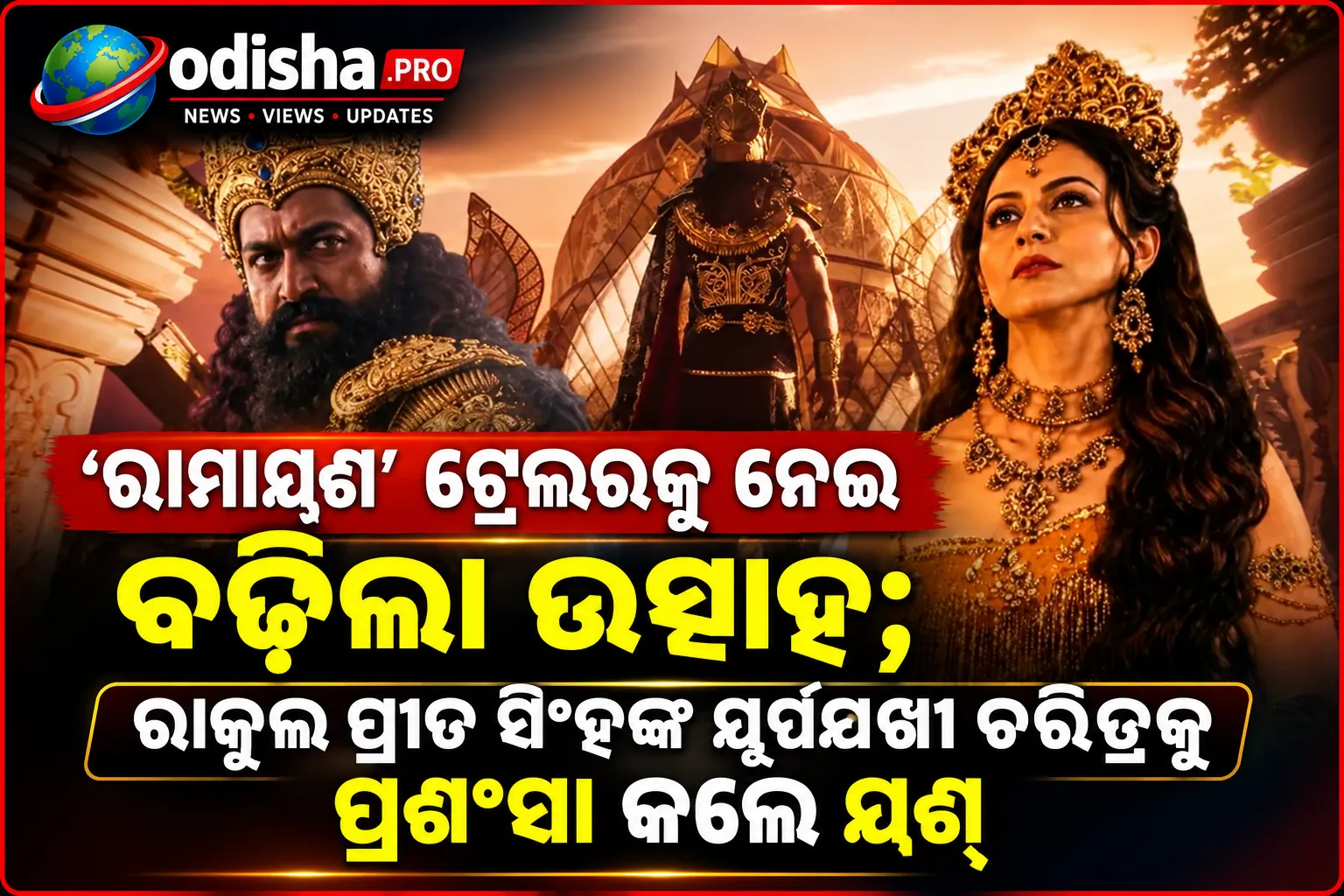
ନିର୍ଦ୍ଦେଶକ ନୀତେଶ ତିୱାରୀଙ୍କ ବହୁ ପ୍ରତୀକ୍ଷିତ ଚଳଚ୍ଚିତ୍...
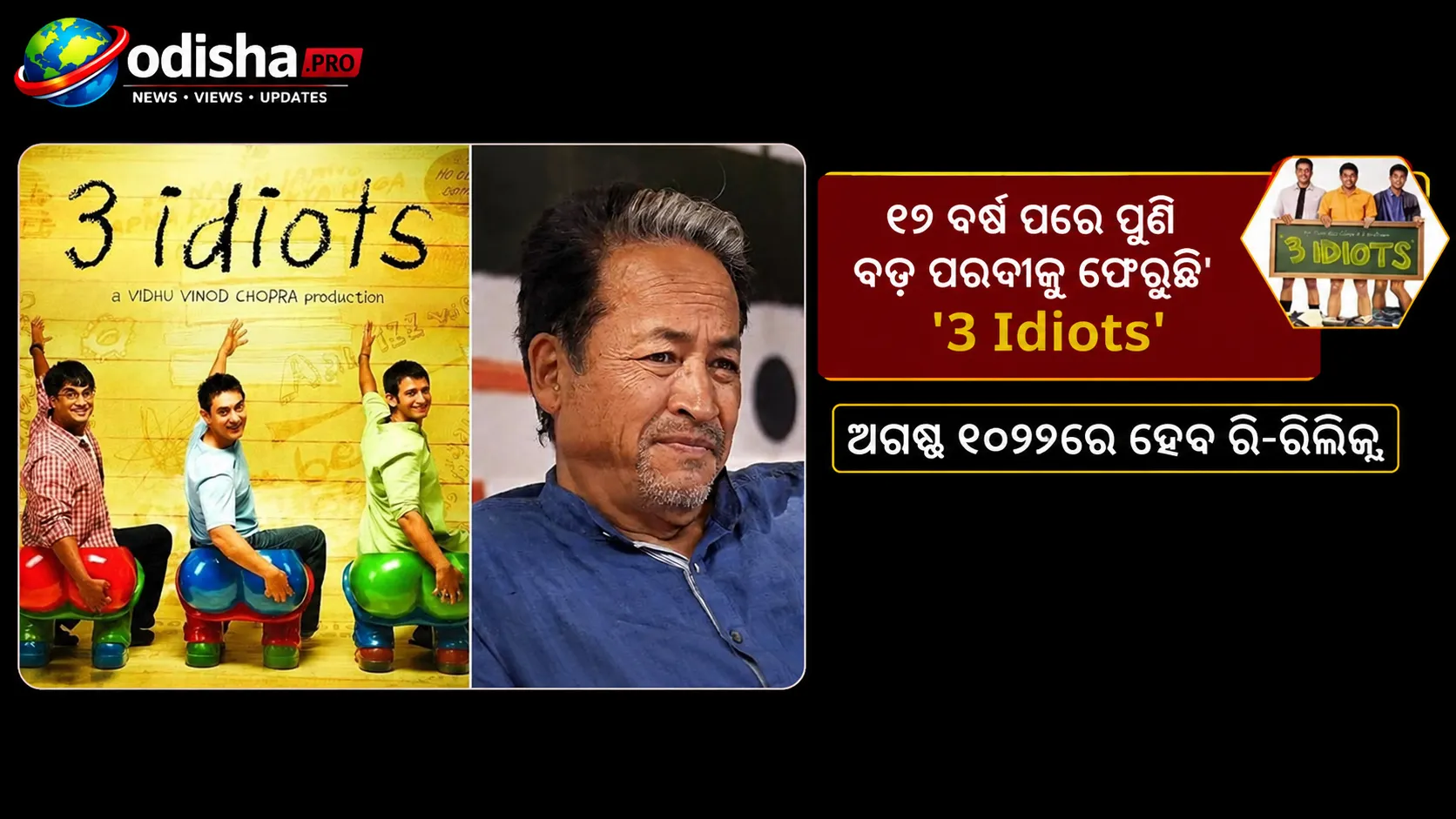
ବଲିଉଡ୍ର ସବୁଠାରୁ ଲୋକପ୍ରିୟ ଏବଂ ସଫଳ ଚଳଚ୍ଚିତ୍ର ମଧ୍ୟରୁ...
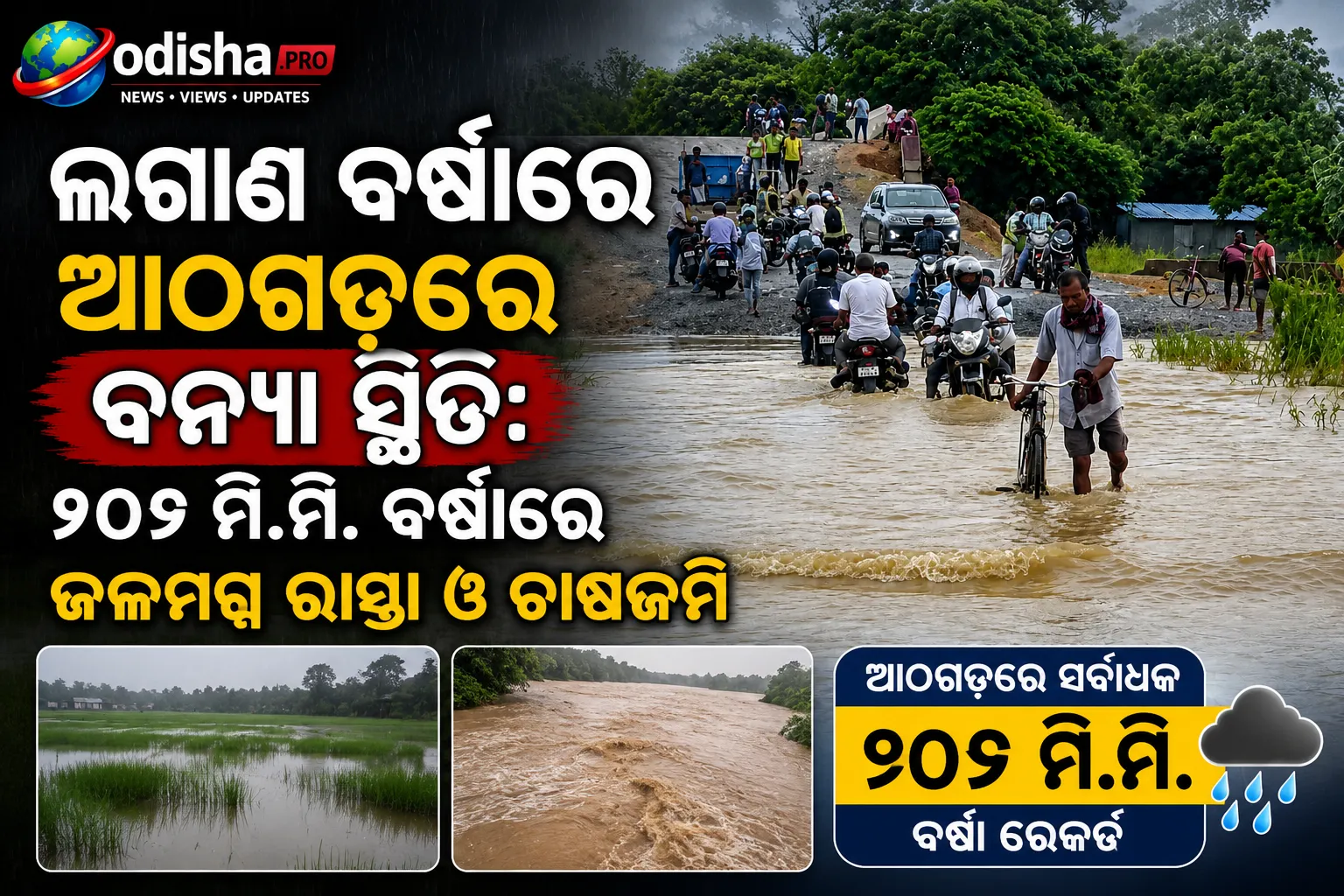
ସକ୍ରିୟ ମୌସୁମୀ ବାୟୁ ପ୍ରଭାବରେ ଓଡ଼ିଶାର ବିଭିନ୍ନ ସ୍ଥାନର...
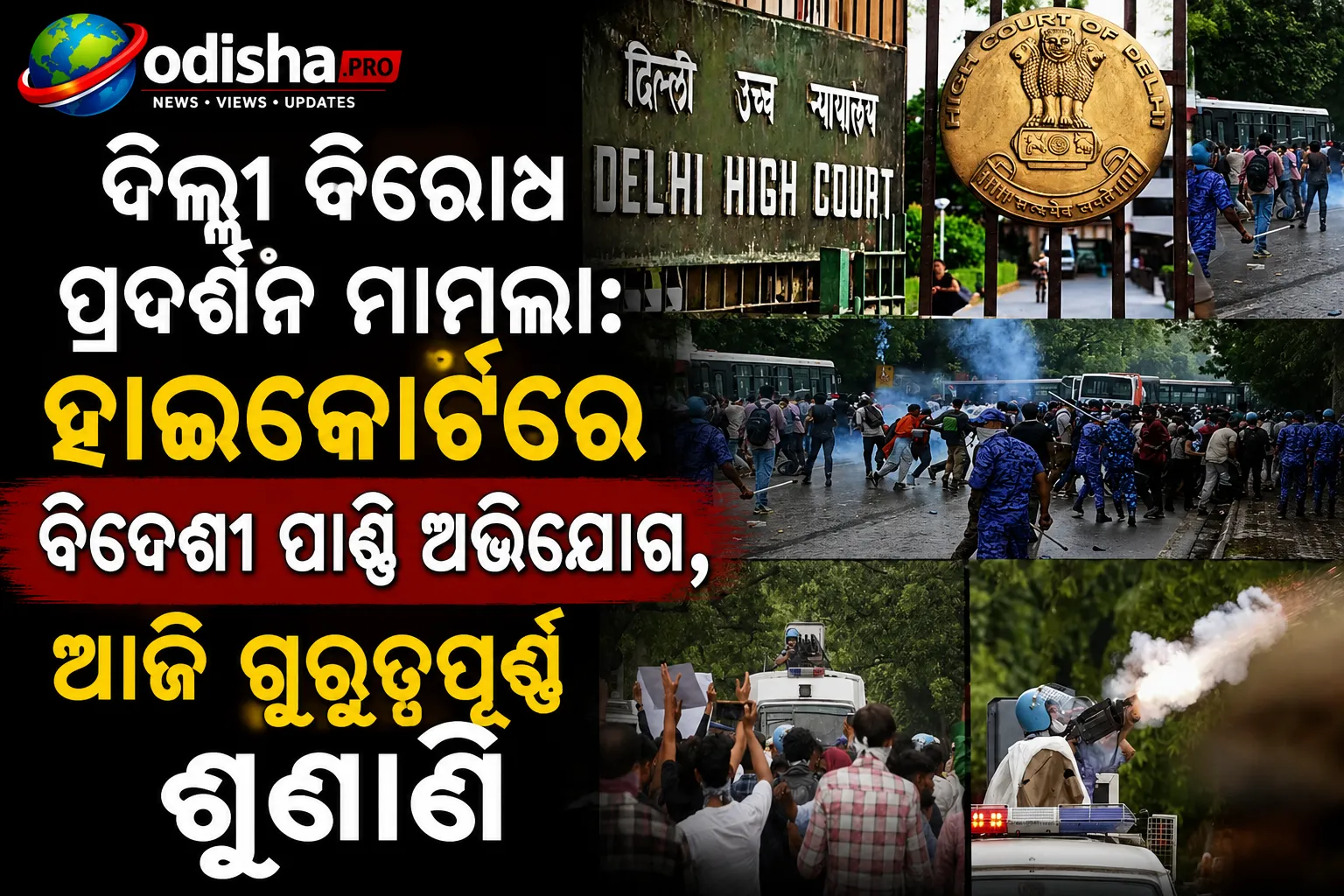
ରାଜଧାନୀ ଦିଲ୍ଲୀରେ ଚାଲିଥିବା ତୀବ୍ର ପ୍ରତିବାଦ ଓ ଆନ୍ଦୋଳନ...
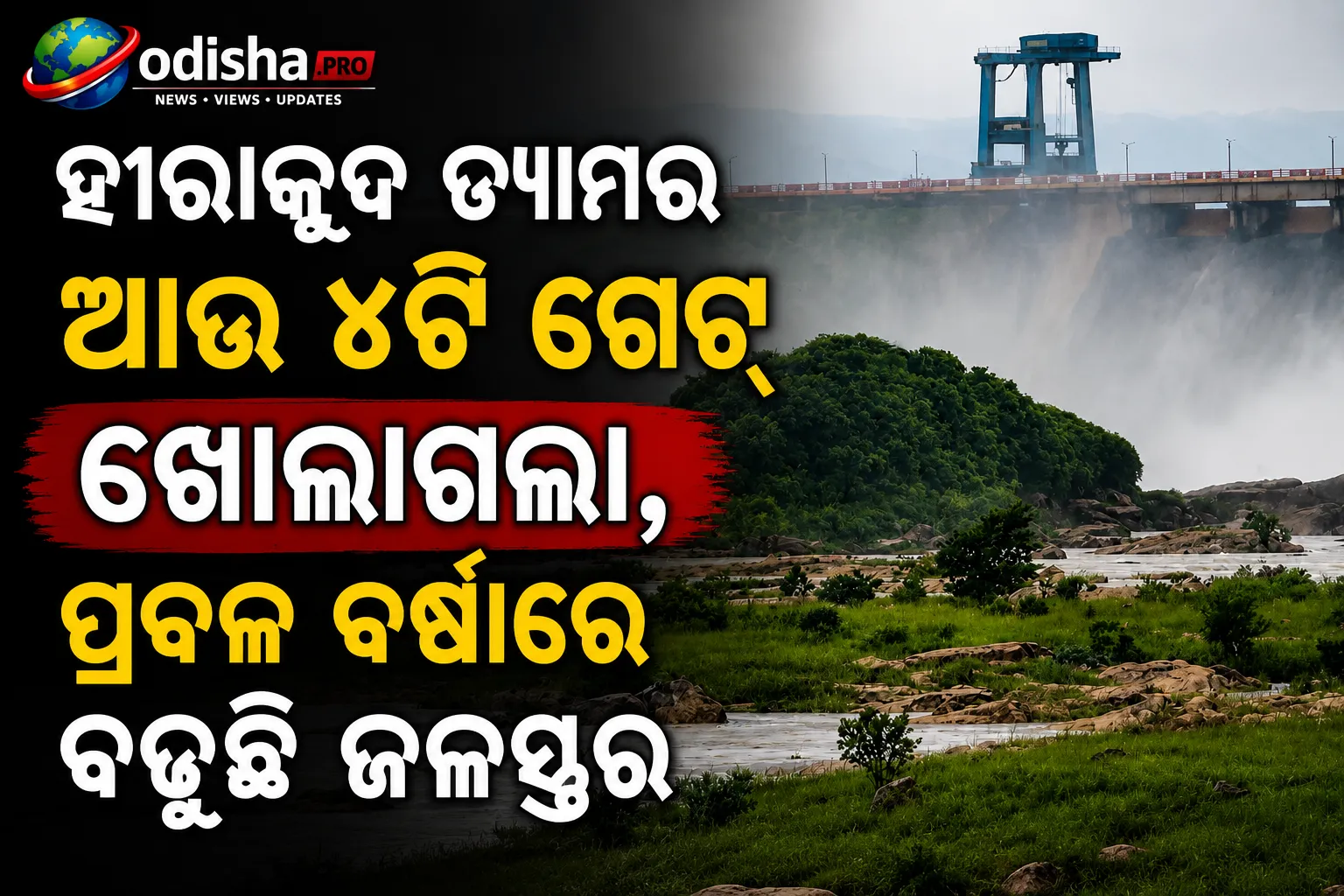
ସମ୍ବଲପୁରସ୍ଥିତ ହୀରାକୁଦ ଡ୍ୟାମର ଜଳସ୍ତର ଲଗାତାର ବଢ଼ିବାର...
ଦିଲ୍ଲୀର ଜନ୍ତର-ମନ୍ତରରେ ସମ୍ପ୍ରତି ଆୟୋଜିତ ସିଜେପିର&lsqu...

ହଲିଉଡ୍ ଚଳଚ୍ଚିତ୍ର‘Godzilla vs. Kong’ଏବଂ...
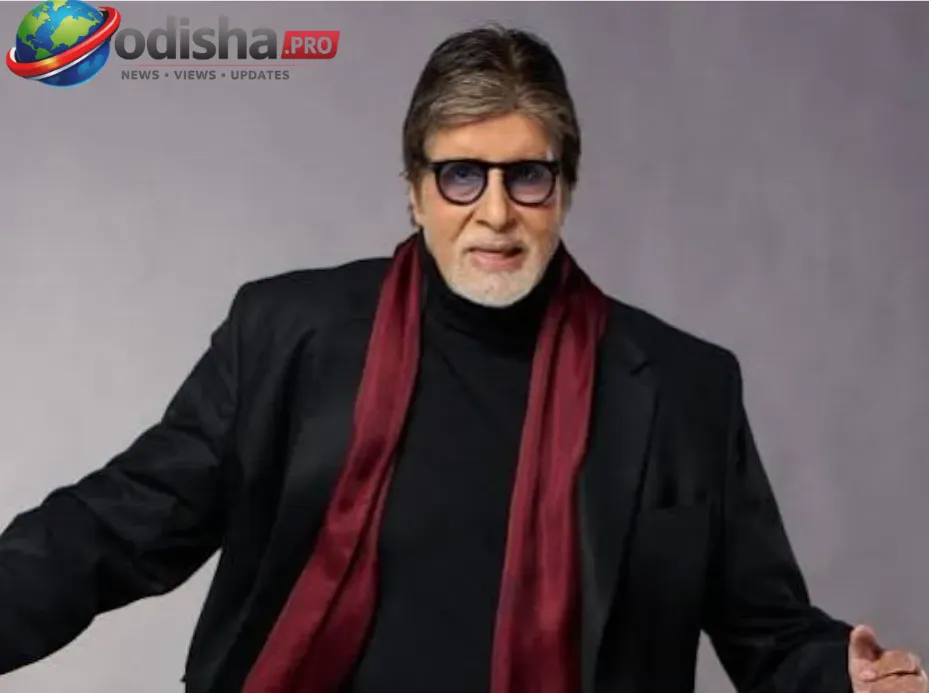
ବଲିଉଡ୍‌ର ‘ଶେହେନଶାହ’ ଅମିତାଭ ବଚ୍ଚନଙ...
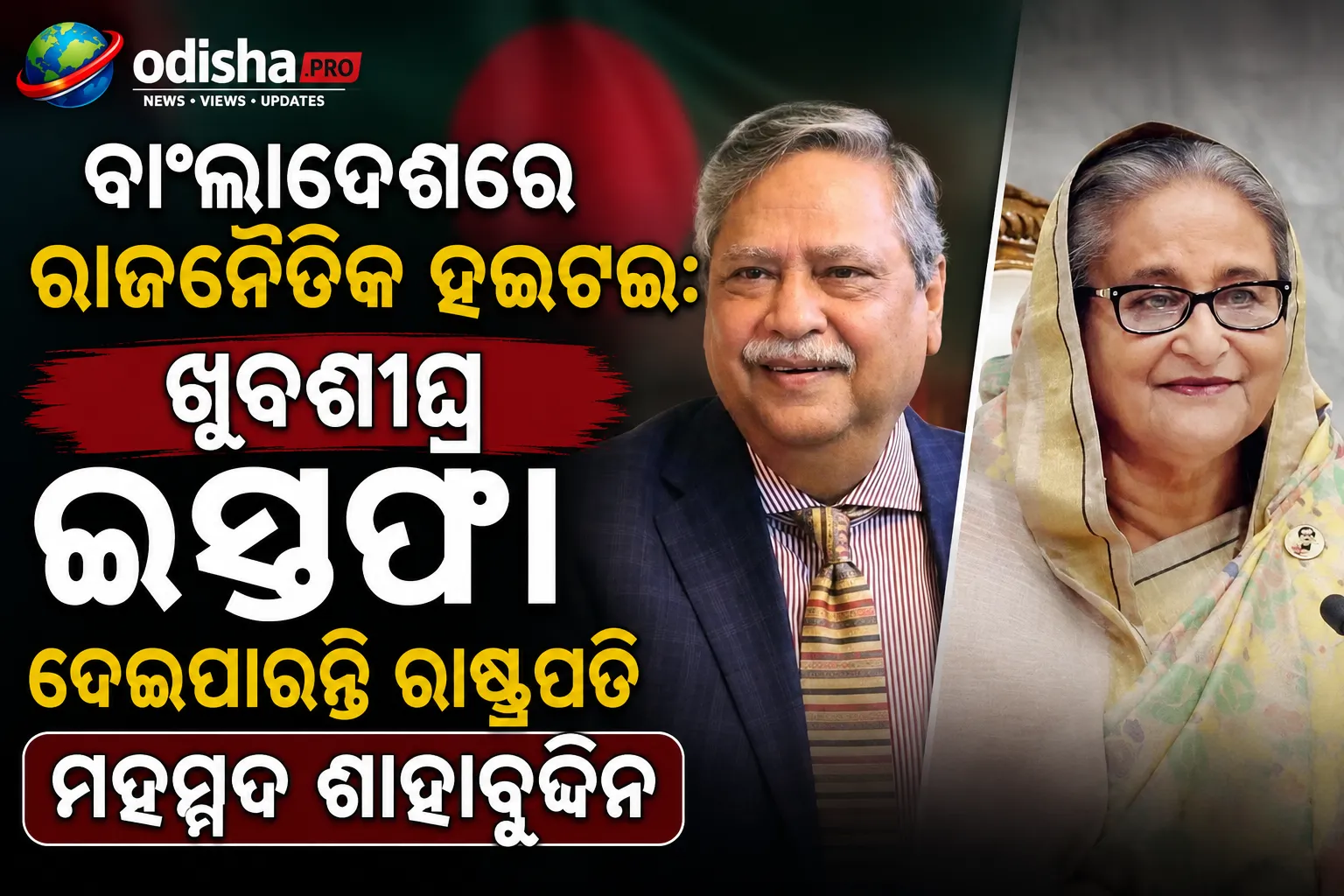
ବାଂଲାଦେଶର ରାଜନୀତିରେ ପୁଣି ଥରେ ବଡ଼ ହଇଚଇ ସୃଷ୍ଟି ହୋଇଛି...
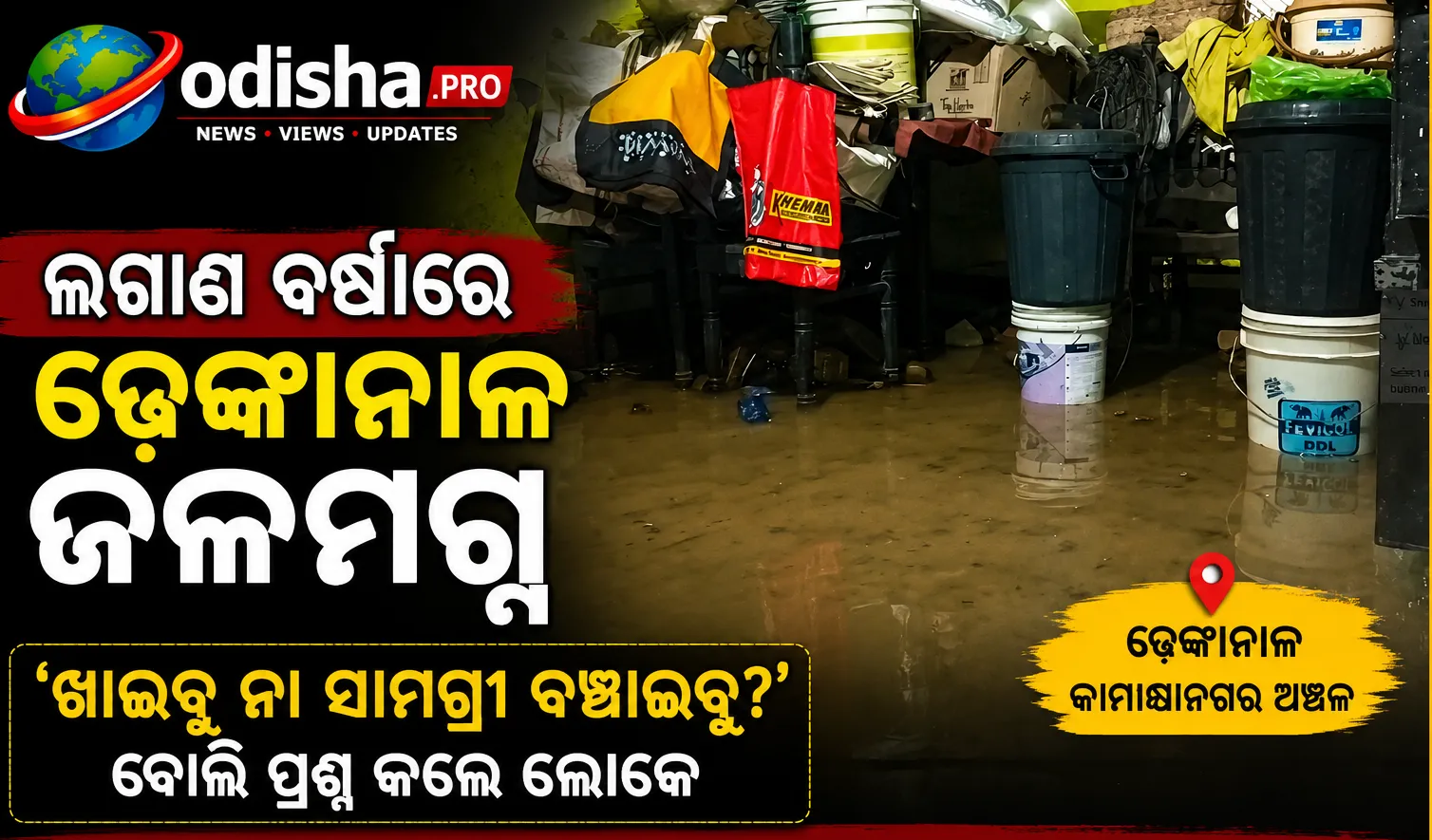
ଲଘୁଚାପ ପ୍ରଭାବରେ ଲଗାଣ ବର୍ଷା ଯୋଗୁଁ ଢେଙ୍କାନାଳ ଜିଲ୍ଲାର...
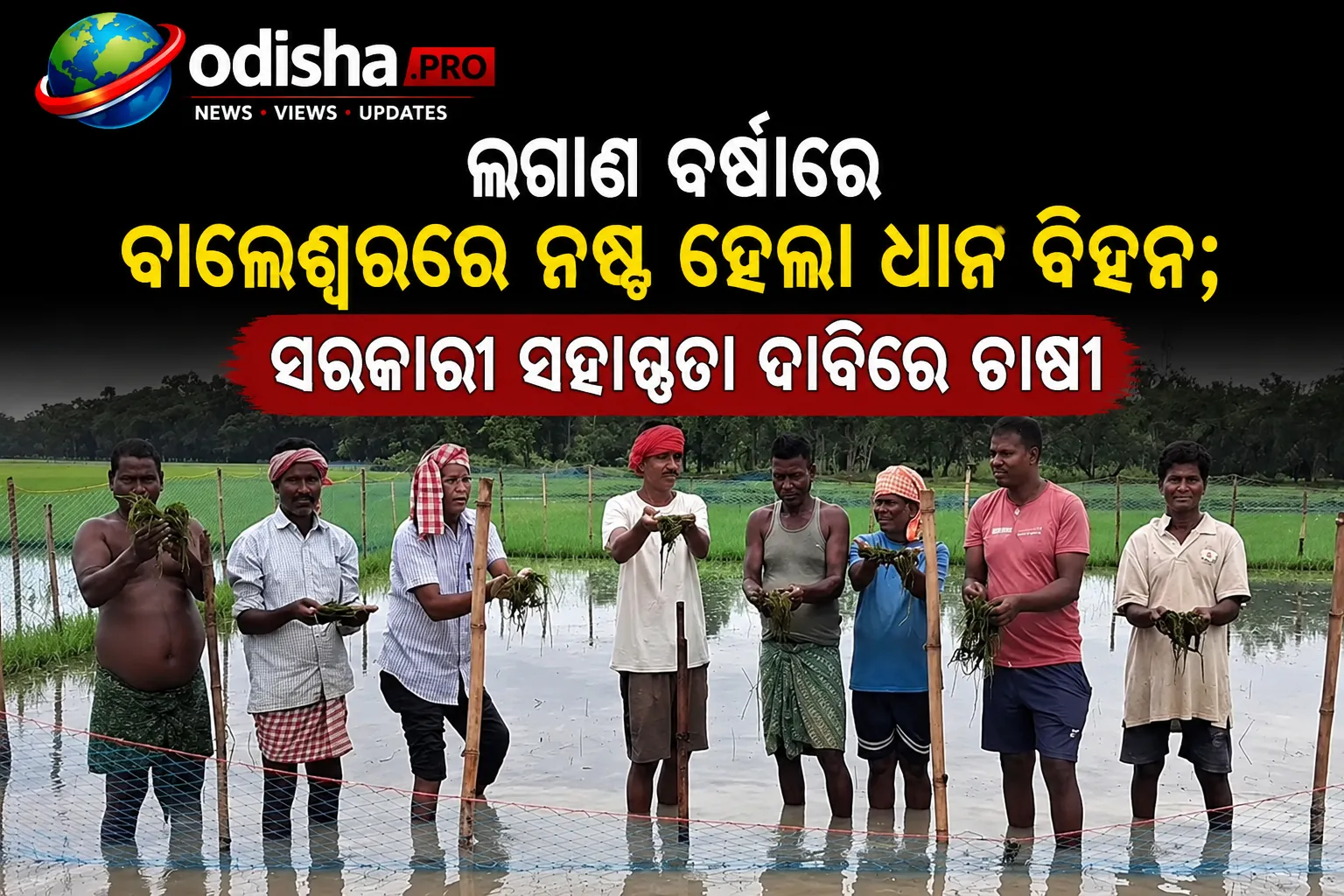
ରାଜ୍ୟରେ ଲଗାଣ ବର୍ଷା ଜାରି ରହିଥିବା ବେଳେ ବାଲେଶ୍ୱର ଜିଲ୍...
ରାଜଧାନୀ ଦିଲ୍ଲୀର ଜନ୍ତରମନ୍ତରରେ ଛାତ୍ରଛାତ୍ରୀଙ୍କ ବିରୋଧ...
