



Protests against Iran’s clerical leadership have intensified nationwide, with demonstrators openly challenging the authority ofAyatollah Ali Khameneiand calling for an end to the Islamic Republic. What has surprised many observers is the return of a once-unthinkable slogan:“Javid Shah”, meaning“Long Live the Shah”.
The protests began in Tehran among traders and merchants before spreading tomore than 30 cities, includingQom, a stronghold of Iran’s clerical establishment. The unrest marks thelargest wave of protests since the 2022 demonstrations following Mahsa Amini’s death, when pro-monarchy slogans were also heard.
Initially driven by economic hardship, the protests have evolved into open political defiance. Iran’s currency has sharply depreciated, trading at around42,000 rials to the US dollar, whileinflation has surged above 42%, fuelling public anger. Protesters have been heard chanting slogans such as“Mullahs must leave Iran”and“Death to the dictatorship.”
The chant refers to the former Iranian monarchy, overthrown during the1979 Islamic Revolution, which replaced royal rule with a Shia clerical system led by a Supreme Leader. For decades after the revolution, mentioning the Shah or thePahlavi dynastywas taboo.
That taboo has now broken. Many protesters see the Shah not necessarily as a demand for absolute monarchy, but as asymbol of resistanceagainst what they view as decades of repression, isolation, and economic decline under clerical rule.
The chants have brought renewed attention toReza Pahlavi, the son of the last Shah, Mohammad Reza Pahlavi. Born in 1960, Reza Pahlavi was named crown prince in 1967 and has lived in exile in the United States since the revolution.
A vocal critic of the Islamic Republic, Reza Pahlavi supportsliberal democracyand has called for afree referendumto allow Iranians to choose their future system of governance. During the current protests, he expressed solidarity with demonstrators and urged unity, honouring those who have died seeking greater freedom.
ThePahlavi dynastyruled Iran from1925 to 1979, overseeing rapid modernisation and close ties with the West. However, political repression, economic inequality, cultural backlash, and the Shah’s reliance on the feared SAVAK secret police alienated large sections of society.
Mass protests led by clericRuhollah Khomeiniculminated in the 1979 revolution, forcing the Shah into exile and establishing the Islamic Republic. While the new regime initially enjoyed widespread support, critics argue it becameequally—if not more—repressiveover time.
After nearly five decades of clerical rule marked by sanctions, economic isolation, strict social controls, and repeated crackdowns on dissent, public frustration has reached a breaking point. Analysts say the revival of “Javid Shah” reflectsnostalgia for stability, economic opportunity, and global engagement, rather than a simple desire to restore absolute monarchy.
Iran has witnessed many uprisings over the years—from the2009–10 election proteststo the2022–23 Mahsa Amini movement—but what sets the current unrest apart is theopen rehabilitation of the Pahlavi nameas a rallying symbol.
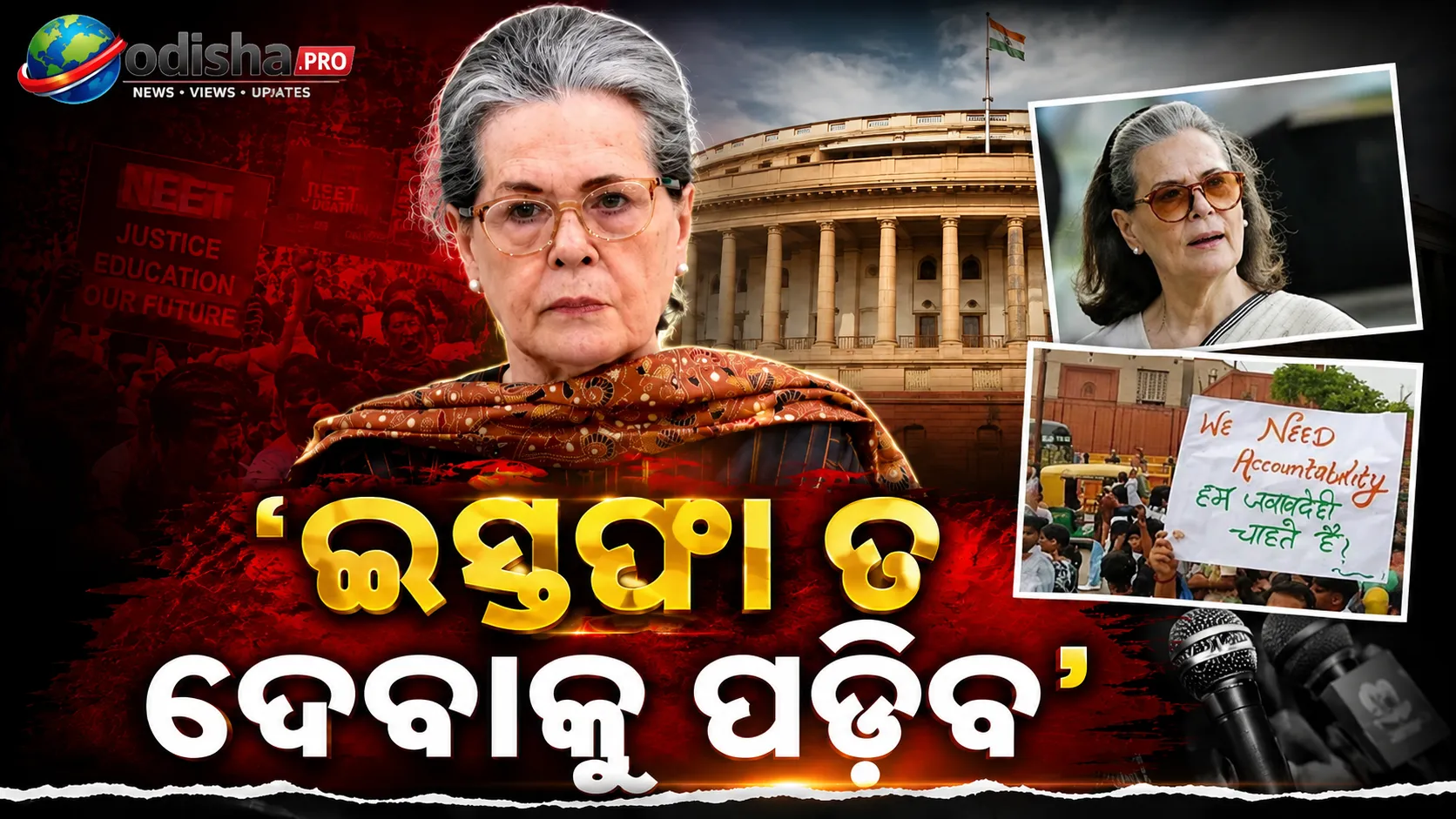
ଦେଶବ୍ୟାପୀ ନିଟ୍ ପରୀକ୍ଷା ବିବାଦ ଓ ଶିକ୍ଷା ବ୍ୟବସ୍ଥାକୁ ନ...
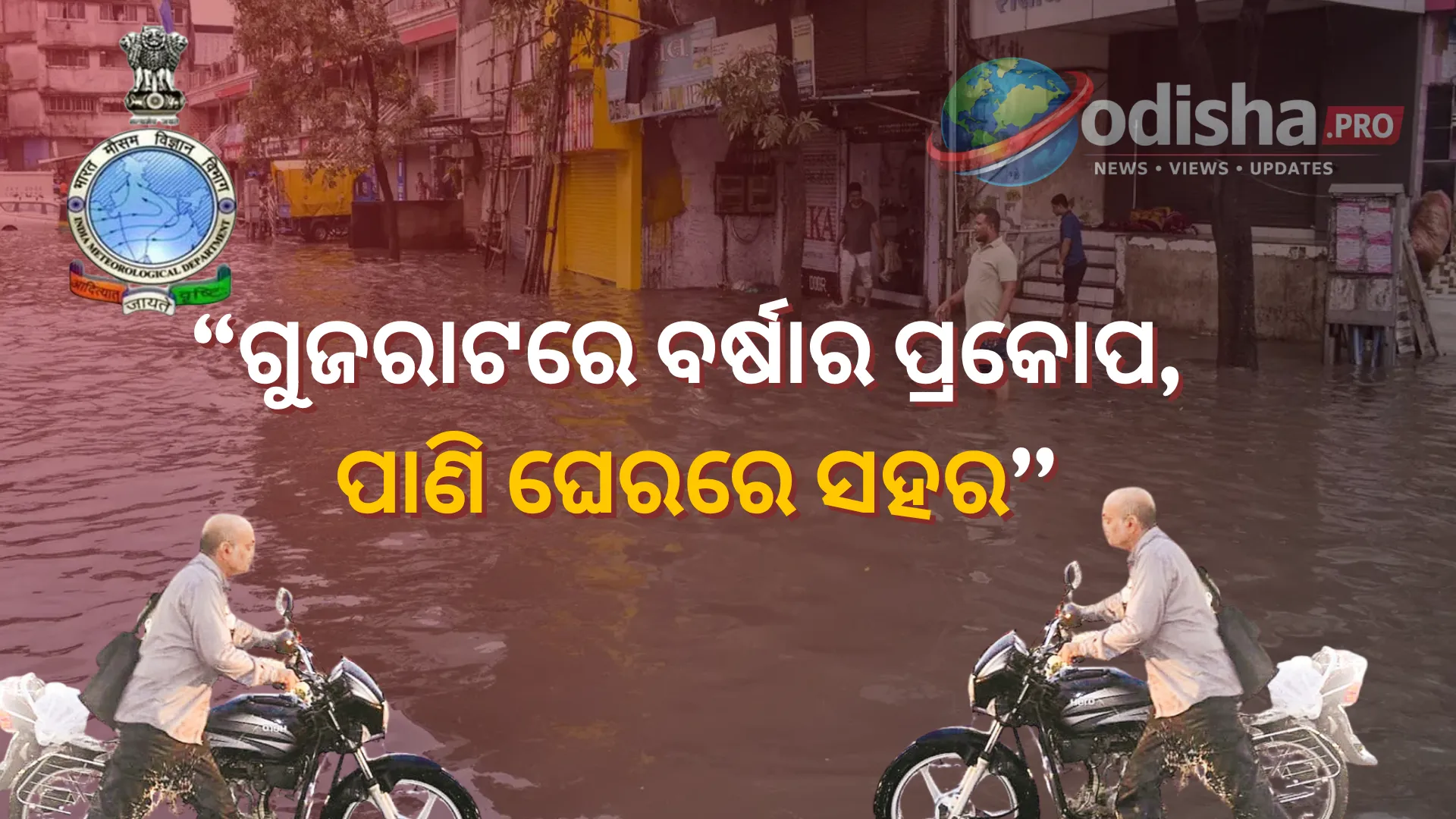
ଗୁଜରାଟରେ ଲଗାତାର ପ୍ରବଳ ବର୍ଷା ଏବଂ ବନ୍ୟା ପରିସ୍ଥିତି ପଛ...
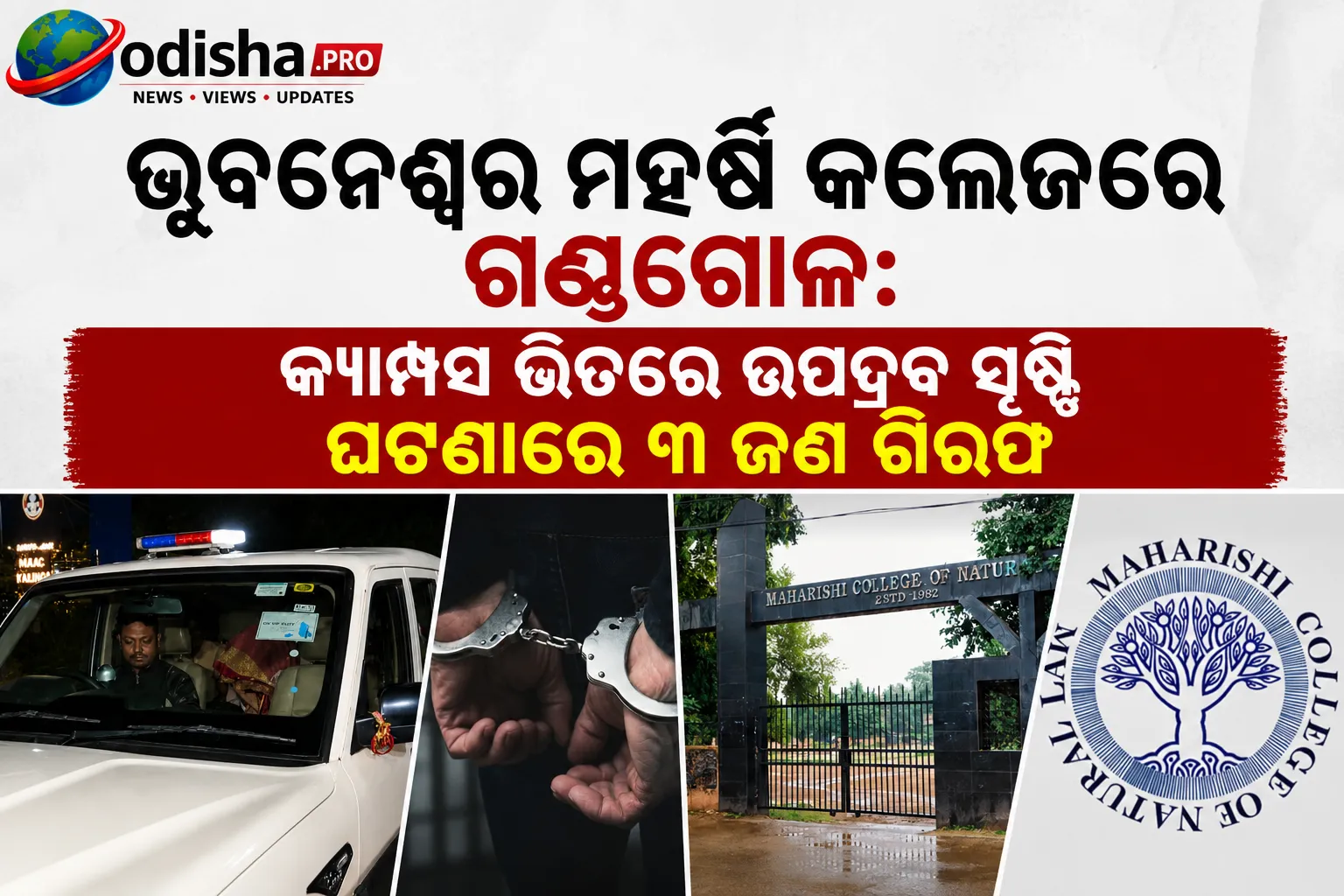
ଭୁବନେଶ୍ୱରର ମହର୍ଷି କଲେଜ କ୍ୟାମ୍ପସରେ ଘଟିଥିବା ଗଣ୍ଡଗୋଳ...
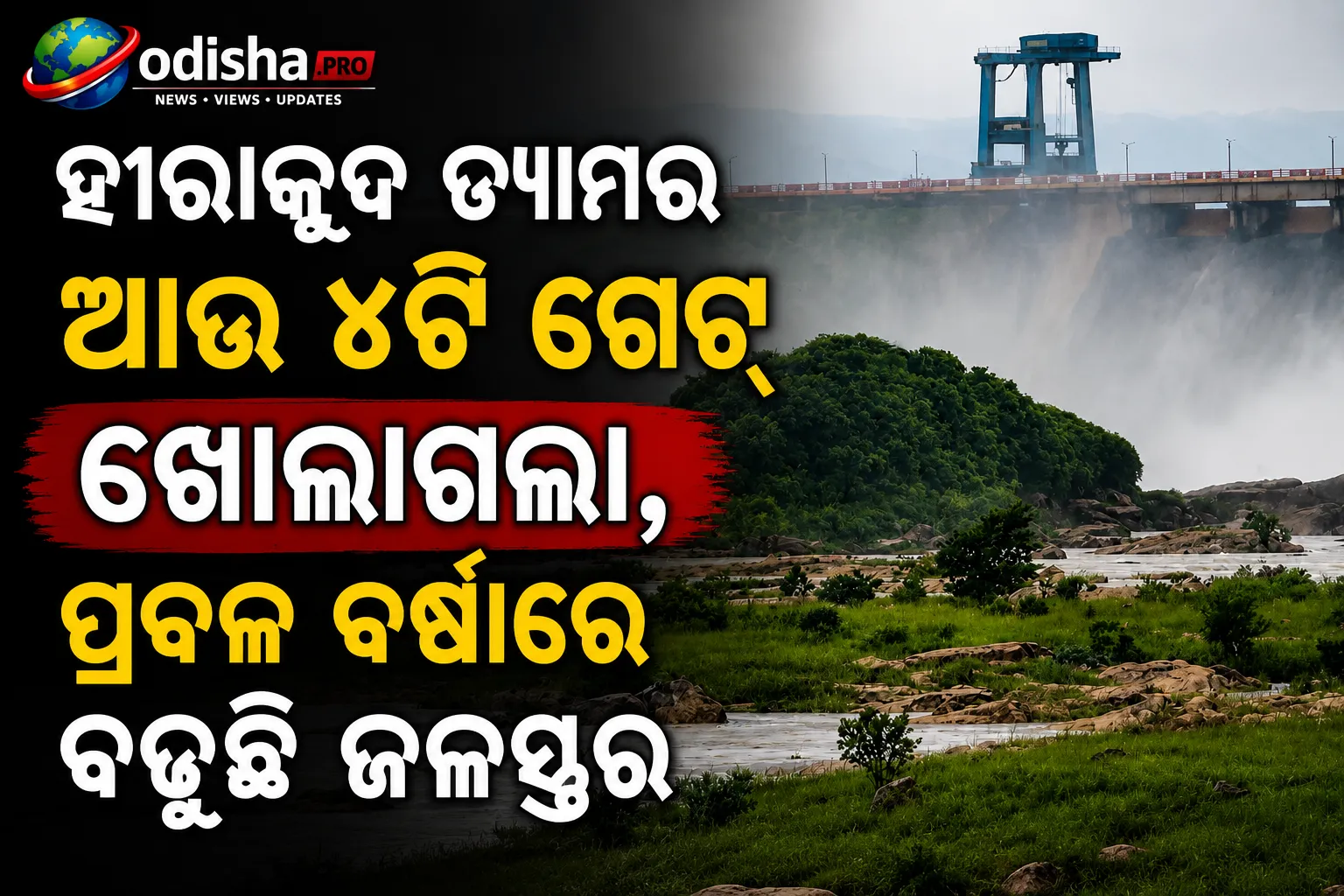
ସମ୍ବଲପୁରସ୍ଥିତ ହୀରାକୁଦ ଡ୍ୟାମର ଜଳସ୍ତର ଲଗାତାର ବଢ଼ିବାର...
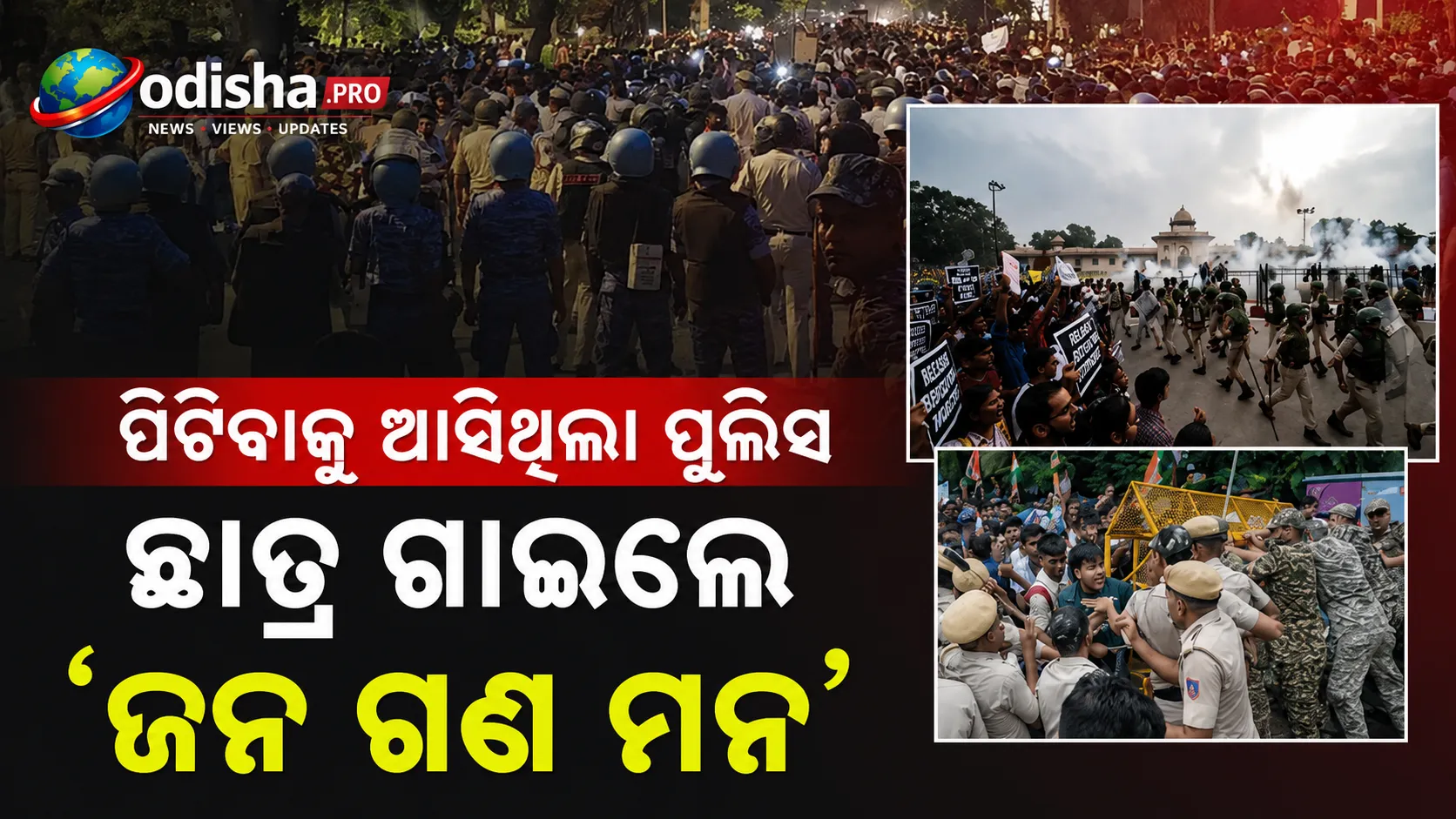
ଦେଶର ରାଜଧାନୀ ଦିଲ୍ଲୀର ଜନ୍ତର-ମନ୍ତରରେ ଛାତ୍ରଛାତ୍ରୀଙ୍କ...
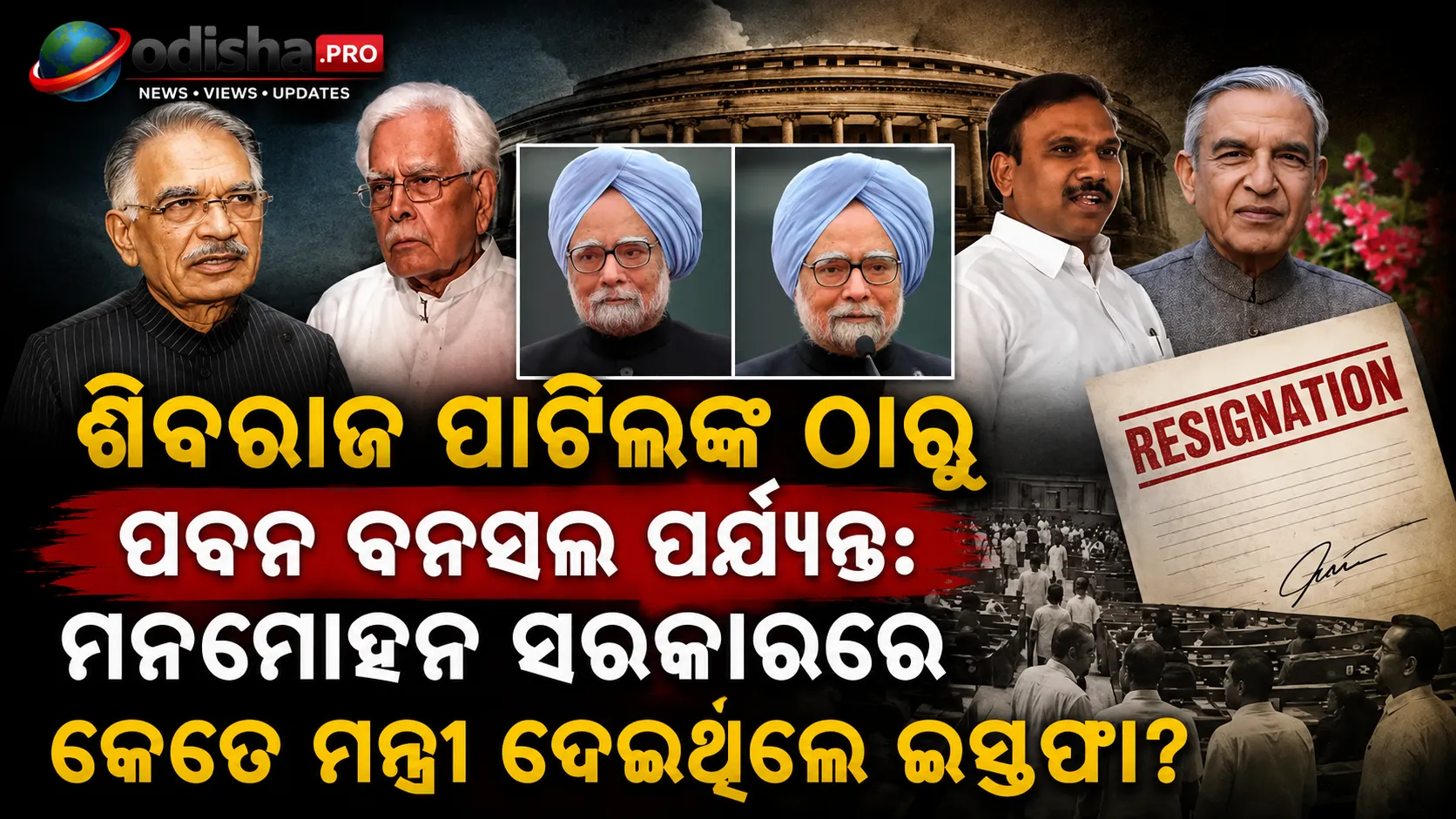
୨୦୦୪ ଲୋକସଭା ନିର୍ବାଚନ ପରେ ଡ଼. ମନମୋହନ ସିଂହଙ୍କ ନେତୃତ୍...
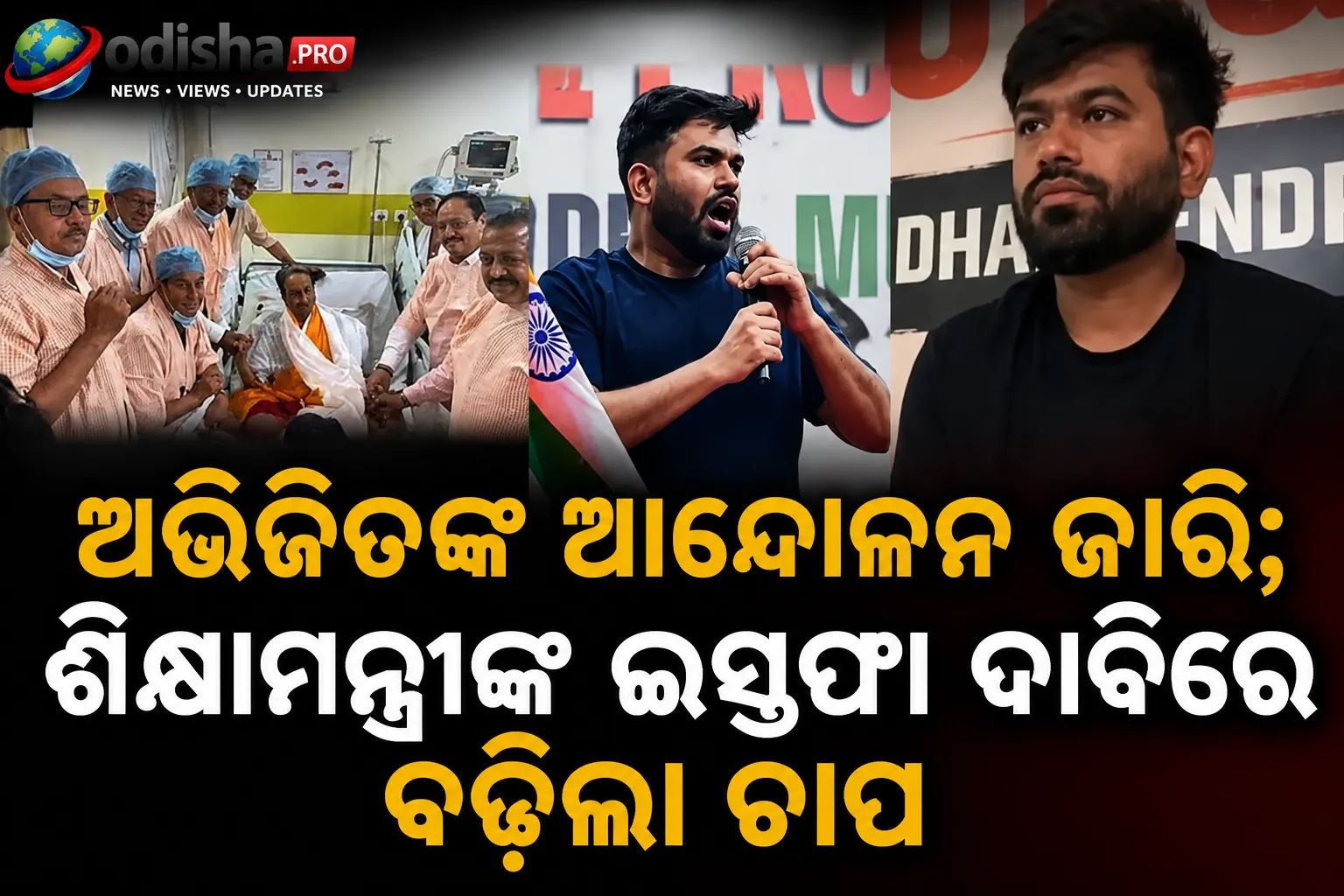
ରାଜଧାନୀ ଦିଲ୍ଲୀରେ ଆନ୍ଦୋଳନର ରାଜନୀତି ପୁଣିଥରେ ଚର୍ଚ୍ଚାର...
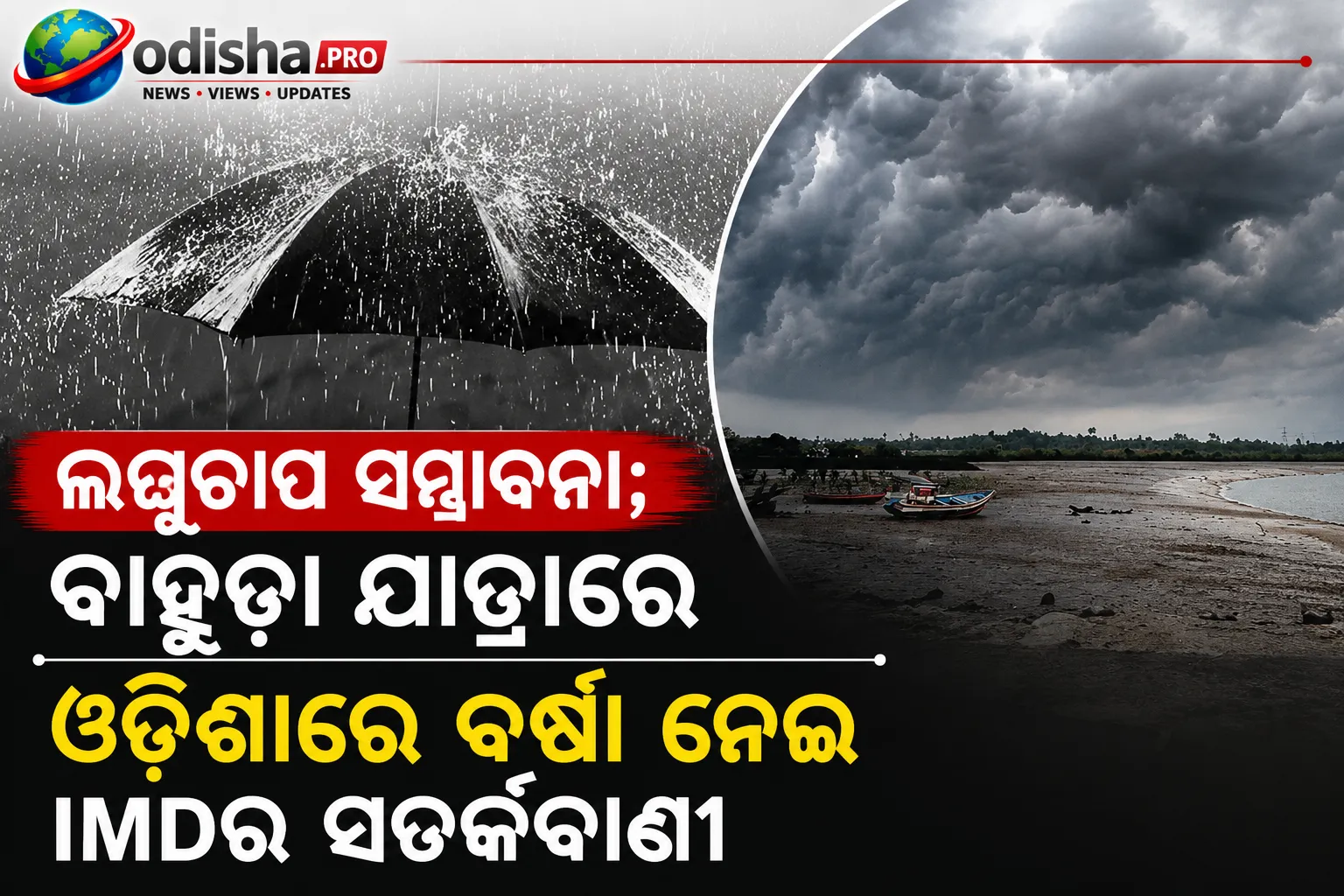
ଓଡ଼ିଶାରେ ପୁଣି ଥରେ ସକ୍ରିୟ ହେବାକୁ ଯାଉଛି ମୌସୁମୀ। ବଙ୍ଗ...
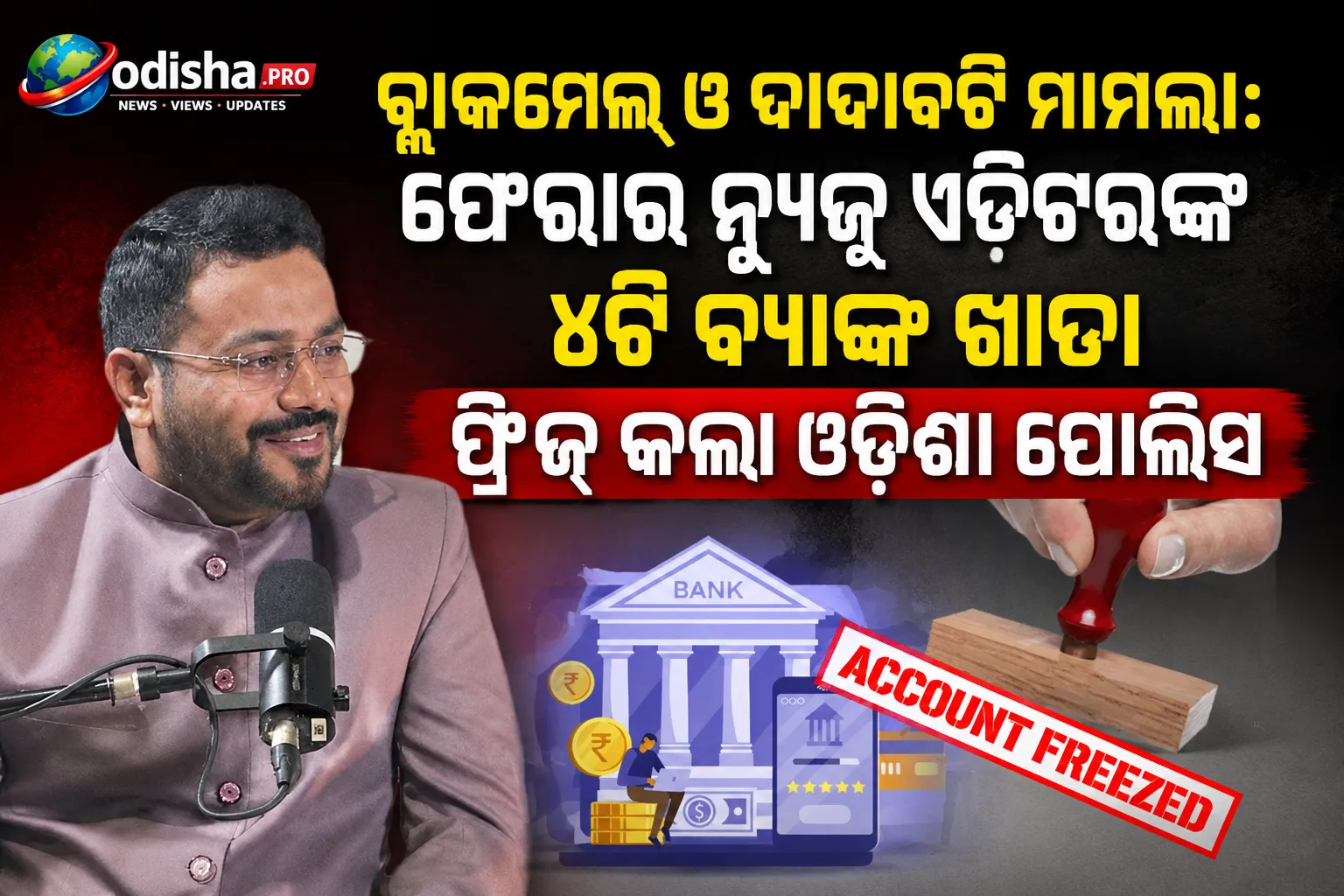
ଦାଦାବଟି ଓ ବ୍ଲାକମେଲ୍ ଅଭିଯୋଗକୁ ନେଇ ଚର୍ଚ୍ଚାରେ ଥିବା ଏକ...
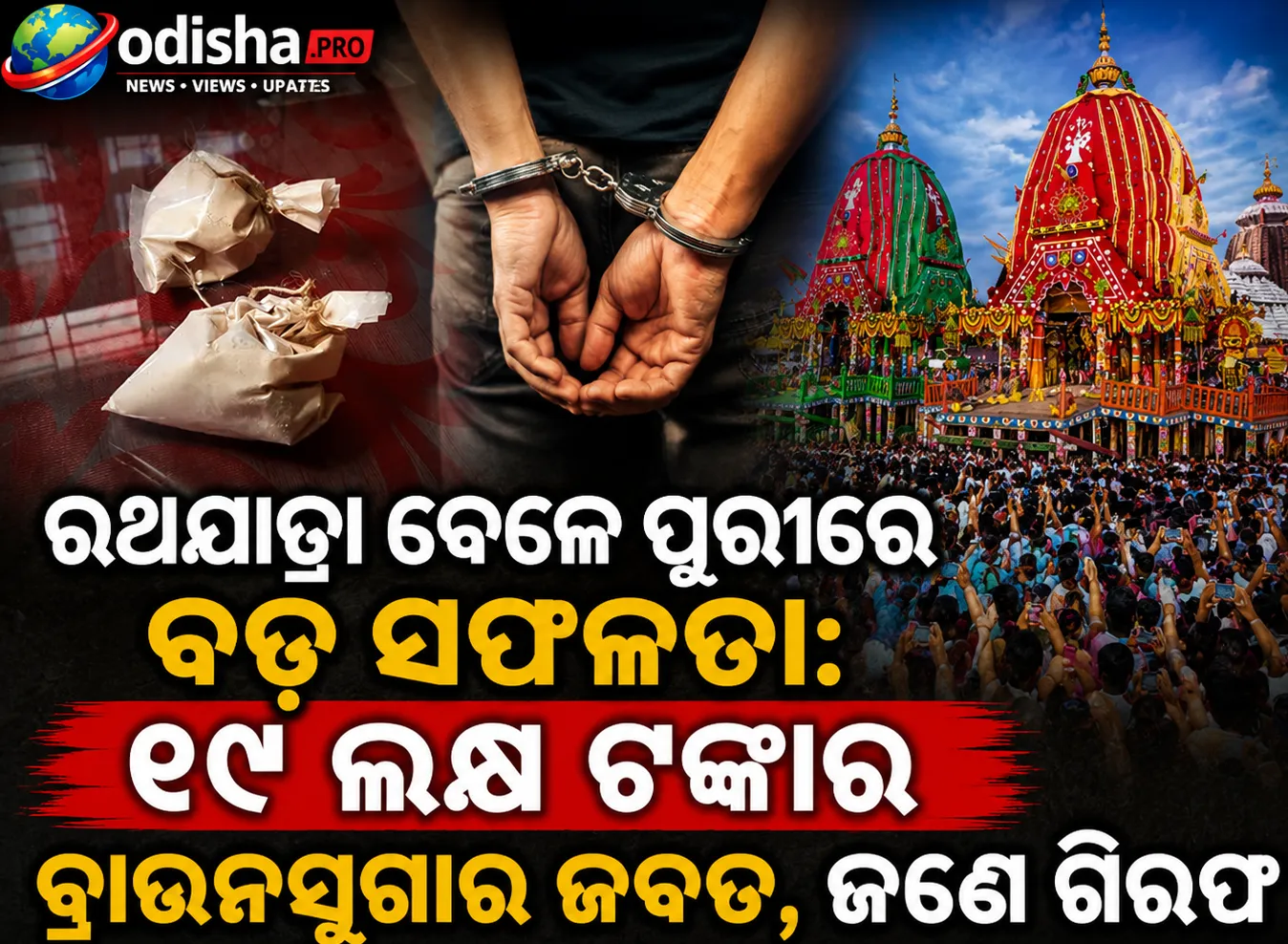
ରଥଯାତ୍ରା ସମୟରେ ପୁରୀରେ ନିଶା କାରବାର ଉପରେ କଡ଼ା ନଜର ରଖ...
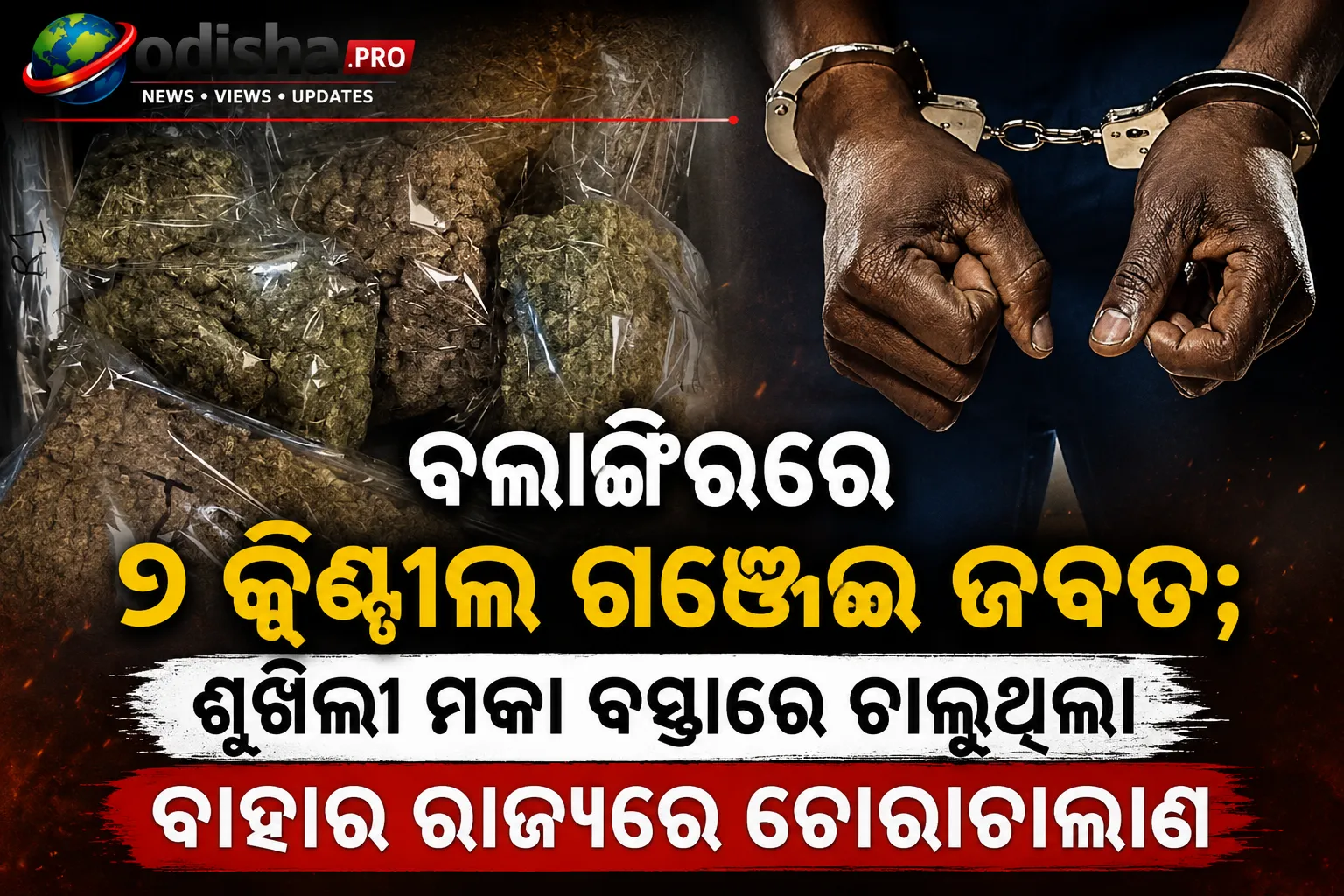
ବଲାଙ୍ଗିର ଅବକାରୀ ବିଭାଗକୁ ଏକ ବଡ଼ ସଫଳତା ମିଳିଛି। ବିଭାଗ...
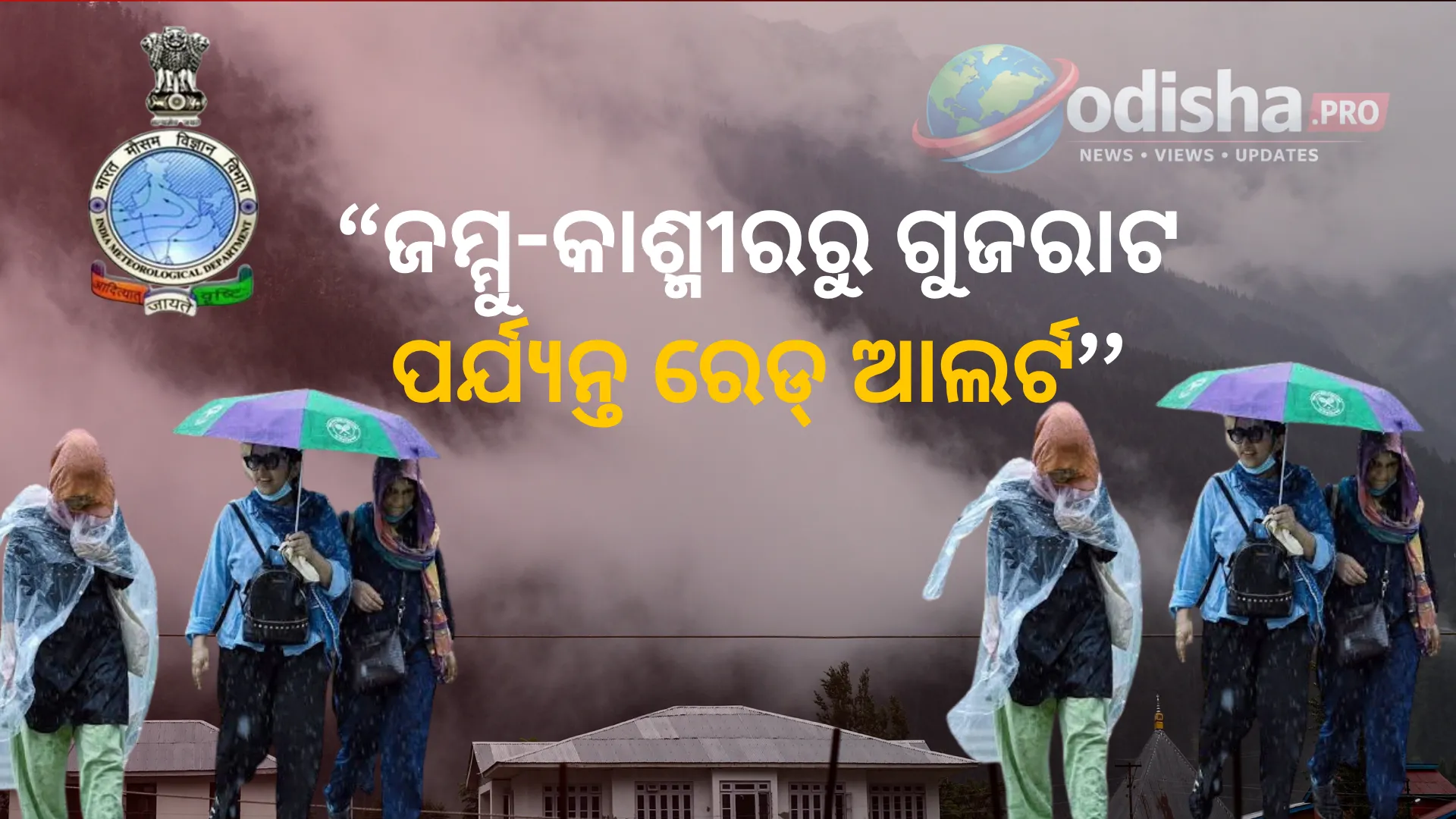
ଦେଶର ବିଭିନ୍ନ ରାଜ୍ୟରେ ମୌସୁମୀ ବର୍ଷାର ପ୍ରକୋପ ଜାରି ରହି...