



A South Korean court on Friday sentenced former President Yoon Suk Yeol to five years in jail for his role in a failed attempt to impose martial law, in a landmark ruling that underscores the country’s strict stance on abuse of executive power.
The Seoul Central District Court found Yoon guilty of mobilising the presidential security service to obstruct law enforcement authorities from executing a legally issued arrest warrant. The warrant was part of an investigation into Yoon’s controversial declaration of martial law, which ultimately collapsed and triggered a major political crisis.
The court also convicted Yoon on additional charges, including fabricating official documents and failing to follow the constitutionally mandated legal process required to declare martial law. Judges said the former president had misused his authority to protect himself from accountability.
“The defendant abused his enormous influence as president to prevent the execution of legitimate warrants through officials from the Security Service,” the presiding judge said during televised proceedings, adding that Yoon had effectively turned state officials into a private force for personal safety and gain.
Yoon was arrested last year in a dramatic second attempt involving more than 3,000 police officers, marking the first time in South Korea’s history that a sitting president had been taken into custody.
Yoon’s legal team criticised the verdict, calling it politically motivated, and confirmed that he would appeal the ruling. Meanwhile, the former president could face even harsher punishment in a separate trial, where he is charged with masterminding an insurrection — an offence that carries the possibility of the death penalty under South Korean law.
Yoon has defended his actions, arguing that the martial law declaration fell within his presidential powers and was intended to counter what he described as obstruction by opposition parties. However, he was removed from office in April last year after the Constitutional Court ruled that he had violated the duties of his office.
The verdict marks a significant moment in South Korea’s democratic history, reinforcing judicial oversight over presidential authority and setting a powerful precedent for accountability at the highest level of government.
ଟେଷ୍ଟ ଓ ଟି-୨୦ ଆନ୍ତର୍ଜାତୀୟ କ୍ରିକେଟ୍ରୁ ସନ୍ନ୍ୟାସ ନେବା...
ଭାରତ ଓ ଜିମ୍ବାୱେ ମଧ୍ୟରେ ଜୁଲାଇ ୨୩ରୁ ଆରମ୍ଭ ହେବାକୁ ଥିବ...
ବିଶ୍ୱକପ୍ ଫାଇନାଲରେ ସ୍ପେନ୍‌ ବିପକ୍ଷରେ ୦-୧ ଗୋଲରେ...
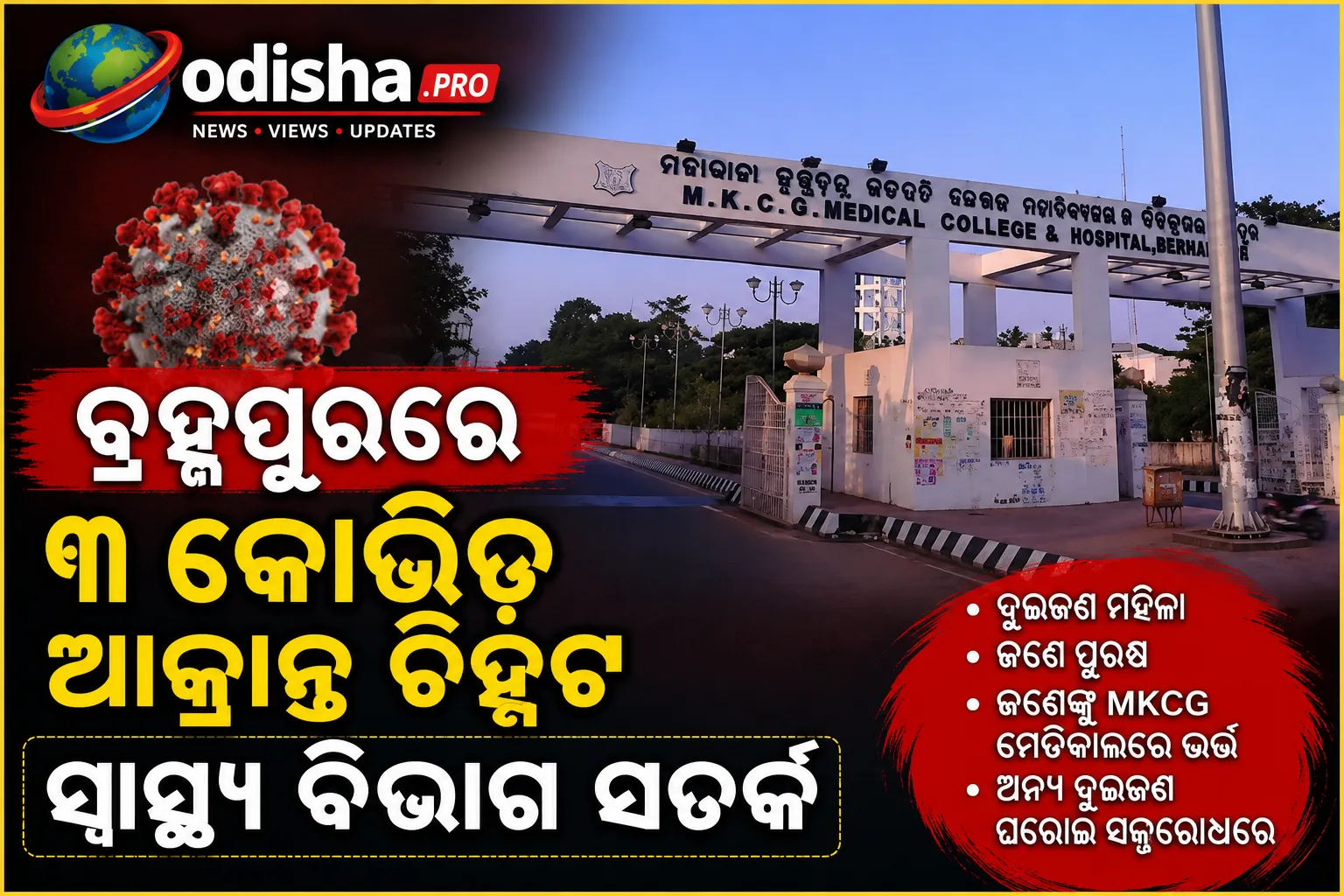
ବ୍ରହ୍ମପୁର ସହରରେ ପୁଣିଥରେ କୋଭିଡ୍ ସଂକ୍ରମଣ ଦେଖିବାକୁ ମି...

ଓଡ଼ିଶାର ଆଦିବାସୀ ଅଞ୍ଚଳରେ ପୌଷ୍ଟିକ ସଙ୍କଟ ଗଭୀର ହେଉଥିବା...
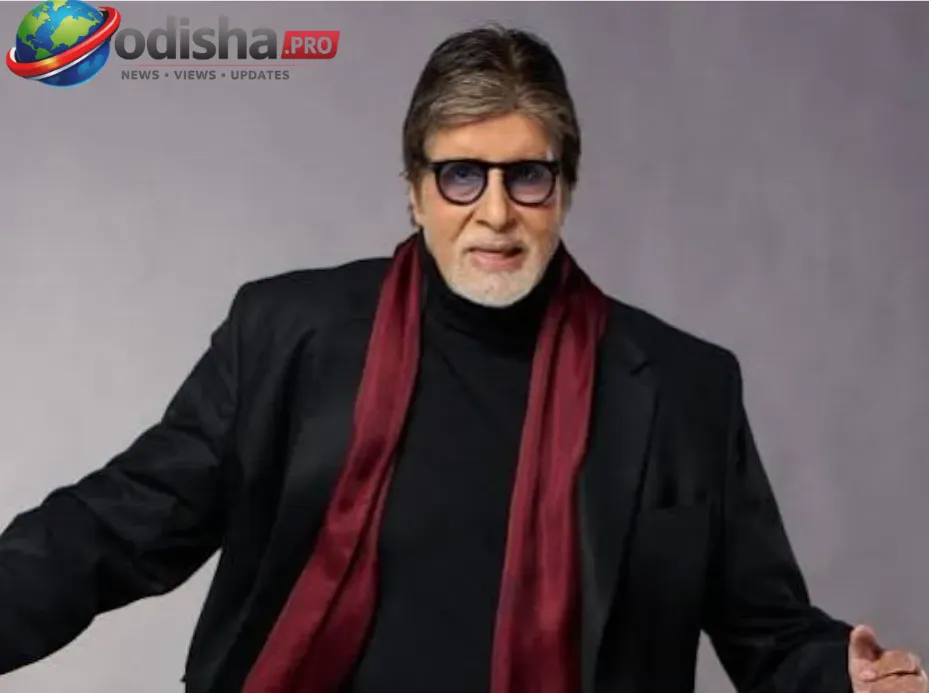
ବଲିଉଡ୍‌ର ‘ଶେହେନଶାହ’ ଅମିତାଭ ବଚ୍ଚନଙ...
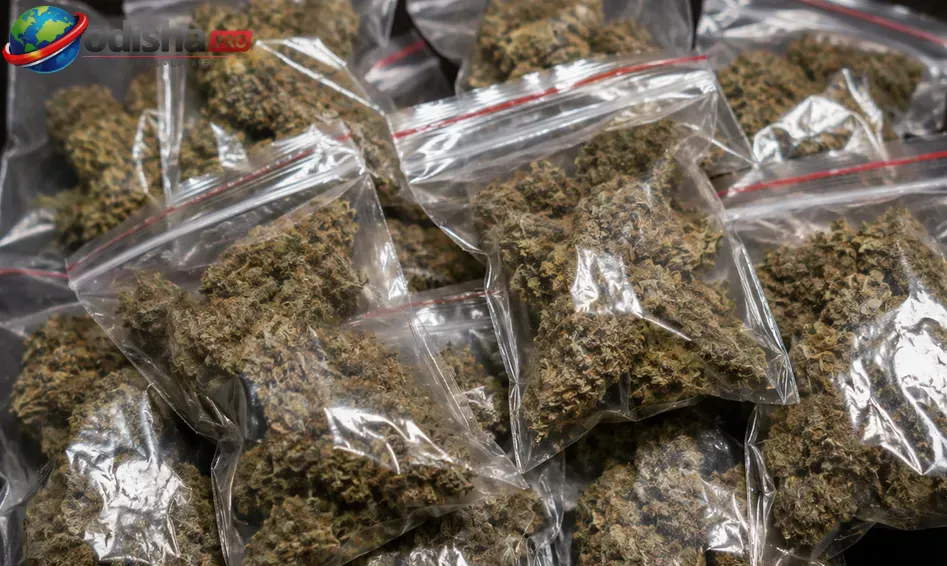
ଅନୁଗୁଳ ଜିଲ୍ଲାର ଆଠମଲ୍ଲିକ ଅଞ୍ଚଳରେ ଅବକାରୀ ବିଭାଗକୁ ଏକ...
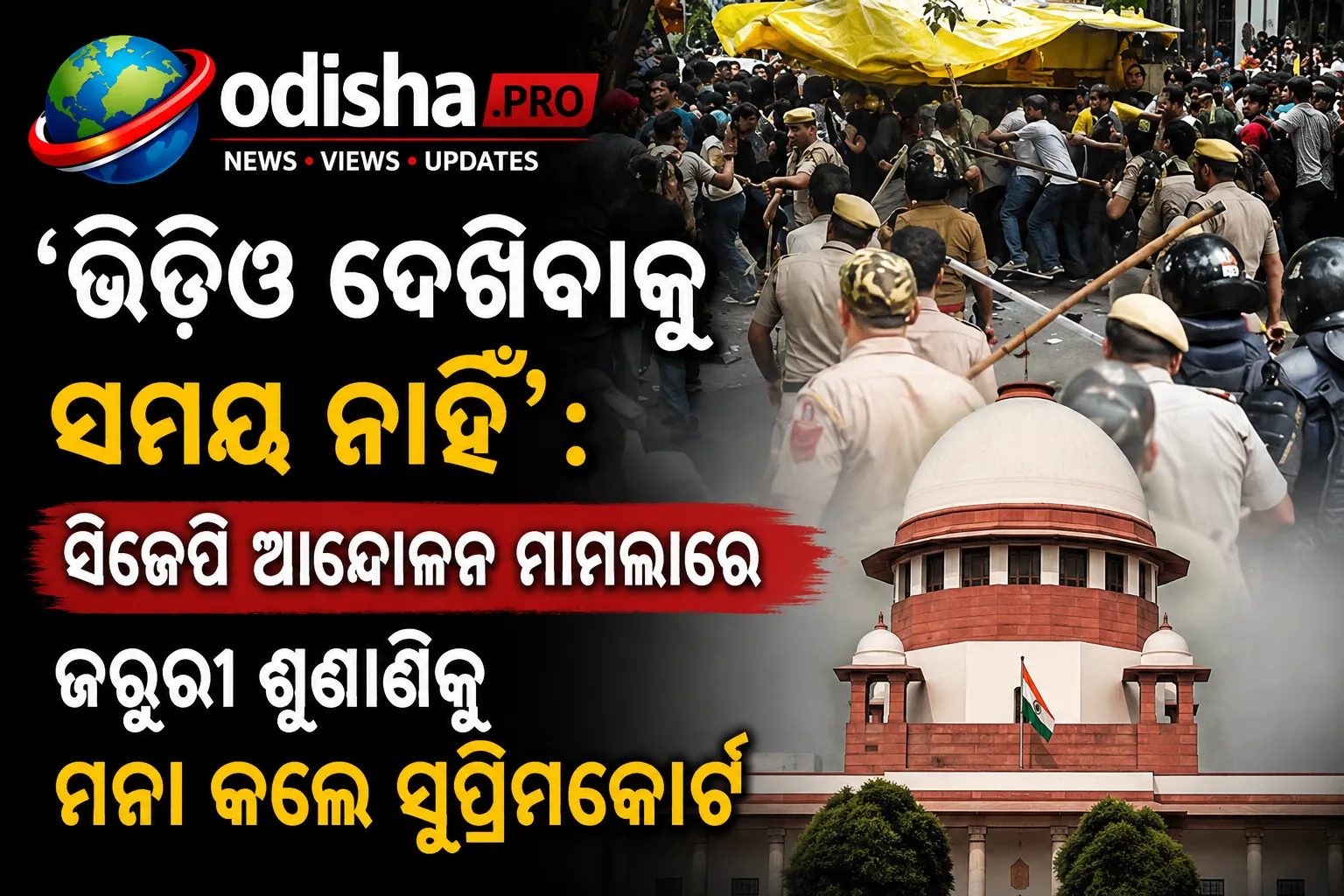
ଦିଲ୍ଲୀର ଜନ୍ତର ମନ୍ତରରେ **‘କୋକରୋଚ୍ ଜନତା ପାର୍ଟି...
ଫିଲ୍ମୀ ଶୈଳୀରେ ଏକ ହୀରା ଚୋରି ଘଟଣା ଏବେ ଚର୍ଚ୍ଚାର ବିଷୟ...

ଅନଲାଇନ୍ ସପିଂ ବର୍ତ୍ତମାନ ସମୟରେ ଦୈନନ୍ଦିନ ଜୀବନର ଏକ ଅଂଶ...
ଭାରତୀୟ କ୍ରିକେଟ୍ ଦଳର ପୂର୍ବତନ ଅଫ୍‌ ସ୍ପିନର ରବିଚନ...
ସାଇବର ଠକମାନେ ଏବେ ସୋସିଆଲ ମିଡିଆ ପ୍ଲାଟଫର୍ମ ‘X&r...