







For many Indian families today, the month begins with anxiety rather than hope. Salaries are quickly consumed by EMIs, credit card bills, and loan reminders, leaving little for daily essentials. What was once temporary borrowing to manage emergencies has quietly become a persistent financial strain.
A survey by debt resolution firm Expert Panel, conducted between June and December 2025 among 10,000 financially distressed borrowers, highlights the scale of this crisis. It found that 85% of respondents spend over 40% of their monthly income on EMIs, with lower- and middle-income households most affected. Many are borrowing more to repay existing loans, creating a cycle of debt that is difficult to escape.
To cope, households are cutting back on essentials—reducing food, healthcare, tuition, and insurance—or taking drastic measures like selling assets or taking salary advances. Prolonged repayments have also led to widespread harassment from recovery agencies, with frequent calls, threatening messages, and, in some cases, home or workplace visits. Borrowers and their families often face public shaming and reputational damage, while regulatory protections remain poorly understood.
The financial strain is accompanied by severe emotional costs. Over half of distressed borrowers reported anxiety, sleep disturbances, depression, marital conflicts, and reduced work performance, with some even experiencing suicidal thoughts.
Experts attribute the problem to the rapid growth of easy credit products like buy-now-pay-later schemes, instant loan apps, and unsecured personal loans, often offered without proper affordability checks or clear disclosures. Recovery practices are inconsistently regulated, leaving borrowers vulnerable.
The report calls for urgent action, including formal debt relief mechanisms, stricter regulation of lenders and recovery agencies, interest rate caps for high-risk loans, and widespread financial literacy programs.
India’s household debt problem is silent but growing—one EMI, one loan notification, and one asset sale at a time. Easy loans meant to help millions have, for many, become a monthly nightmare.
ଭାରତୀୟ ଟି-୨୦ ଦଳରେ ସ୍ଥାନ ପାଇବା ପାଇଁ ବୈଭବ ସୂର୍ଯ୍ୟବଂଶ...

କଟକ ଜିଲ୍ଲା ଖୁଣ୍ଟୁଣୀ ଡାଳୁଆ ସଂରକ୍ଷିତ ଜଙ୍ଗଲରେ ବେଆଇନ ଦ...
ଭାରତୀୟ କ୍ରିକେଟ୍ ଦଳର ହ୍ୱାଇଟ୍-ବଲ୍ ସେଟ୍ଅପ୍କୁ ହାର୍ଦ୍ଦି...

ସମ୍ବଲପୁର ସହରରେ ରାସ୍ତାକଡ଼ରେ ଥିବା ଅନଧିକୃତ ଦୋକାନ ଓ ଷ୍...
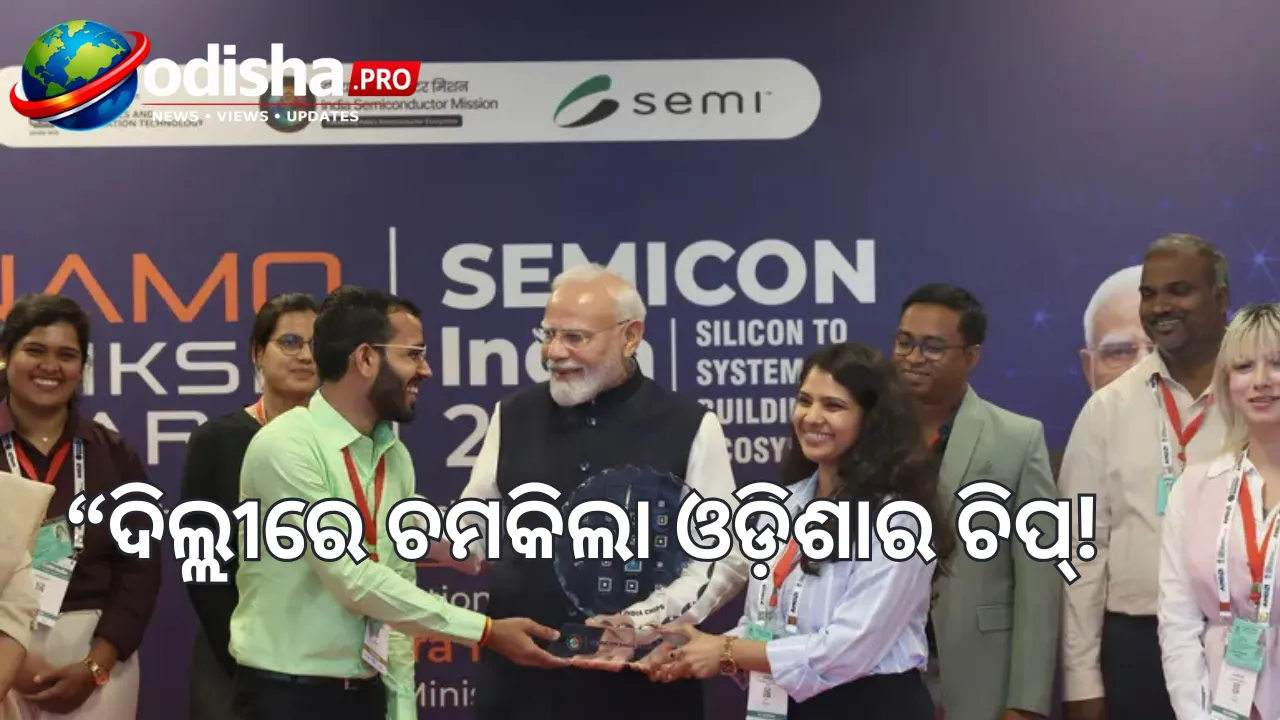
SEMICON India 2026ରେ ଓଡ଼ିଶାର ଦବଦବା, NIT Rourkelaର...

ଓଡ଼ିଶାର ପ୍ରମୁଖ ମହିଳାକେନ୍ଦ୍ରିକ କଲ୍ୟାଣ ଯୋଜନାSubhadra...
‘From -17 to Europe’—ଆନୋଏଟା ଷ୍ଟା...

ଭୁବନେଶ୍ୱରସ୍ଥିତ ଲୋକସେବା ଭବନ ପରିସରକୁ ‘ତମାଖୁମୁକ...
ଭାରତ-ଆଫଗାନିସ୍ତାନ ‘ଫ୍ରେଣ୍ଡସିପ୍ କପ୍’ ସିର...
