










When Salary Day Doesn’t Arrive: What Employees Should Know
For many working professionals, salary day is more than just money hitting the bank—it’s recognition that the hours worked, targets met, and pressures handled are respected.
Yet, delayed salaries, unpaid incentives, and withheld bonuses are becoming increasingly common, particularly in startups and cash-strapped companies. While media often focuses on business growth or sudden failures, the impact on employees who keep these organisations running is often overlooked.
Legal experts emphasize that salaries and incentives arenot favors—they are legal obligations.
Indian law sets clear timelines for wage payments. Advocate B. Shravanth Shanker explains that under thePayment of Wages Act, 1936, salaries must be paid within prescribed time limits—usually by the 7th or 10th of the following month, depending on company size. Unjustified delays beyond this are illegal.
Repeated or deliberate withholding may also constituteunfair labor practicesand breach of contract. Advocate Dheeraj Gupta adds that withholding salary violates fundamental rights and constitutes a statutory breach of the employment agreement.
Experts advise against rushing to court immediately. The first step is toformally raise the issue in writing, creating a documented trail.
Start with an email or legal notice seeking clarification and payment.
Approach HR or the authorized team internally—verbal communication may suffice initially, but if unresolved, follow up in writing.
Any delay beyond the agreed payment date already violates the employment agreement.
Whilebasic salaryhas the strongest legal protection, incentives and variable pay are also protected if contractually guaranteed or part of a regular pay structure.
Discretionary bonuses aren’t enforceable unless clearly promised.
If performance targets are met and terms are clear, the incentive becomes avested right, and employers cannot deny it.
Financial difficulties or company lossesdo not justify withholding earned pay. Performance-linked pay can only be withheld if explicitly allowed in the employment contract.
Legal remedies are available through civil courts if dues remain unpaid, provided proper documentation exists.
Depending on role and dispute type, complaints can be filed with:
Labour Commissioner
Authorities under the Payment of Wages Act
Labour courts or civil courts
Documentation is key.Preserve appointment letters, contracts, salary slips, bank statements, incentive policies, appraisal records, and email communications acknowledging dues or delays. Verbal assurances are often insufficient in court.
Key Takeaways:
Know your rights under Indian law.
Keep a clear record of all payments, promises, and communications.
Raise concerns formally and promptly.
Remember: earned pay isnot optional—delays should never be silently accepted.
ଓଡ଼ିଶା ଉଚ୍ଚଶିକ୍ଷା ବିଭାଗ ୨୦୨୬-୨୭ ଶିକ୍ଷାବର୍ଷ ପାଇଁ ପୋ...

ଓଡ଼ିଶାରେ ବର୍ଷାରୁ ଏବେ ତୁରନ୍ତ ଆଶ୍ୱସ୍ତି ମିଳିବାର ସମ୍ଭା...
ଆମେରିକାରେ ଗ୍ରୀନ୍‌ କାର୍ଡ ପାଇଁ ନୂଆ ‘ପବ୍ଲି...
ପ୍ଲାଷ୍ଟିକ୍ ବୋତଲରେ ଘର!ଶୁଣିବାକୁ ଅଜବ ଲାଗିଲେ ମଧ୍ୟ ବାଂଲ...
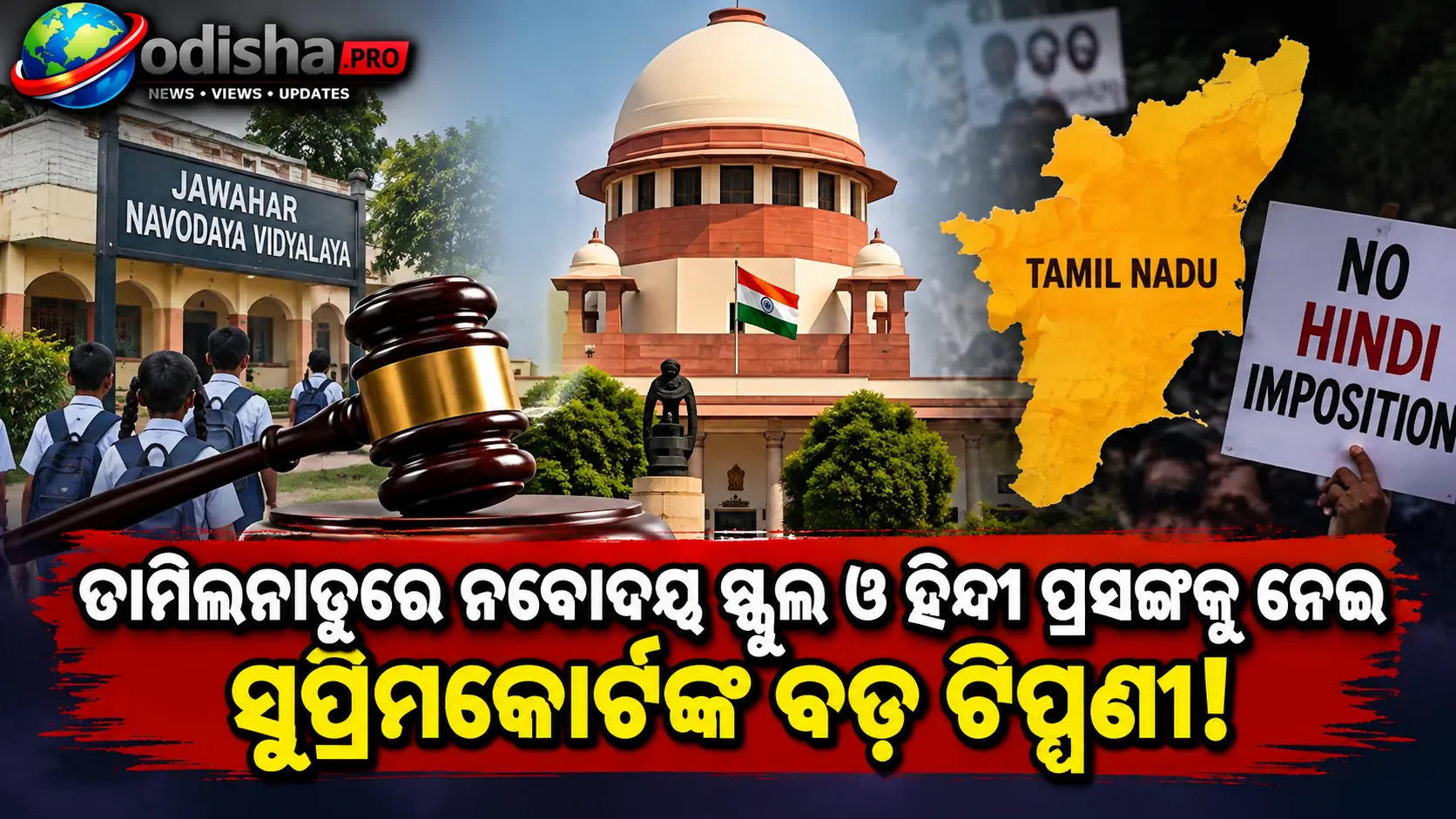
ତାମିଲନାଡୁରେ ଜବାହର ନବୋଦୟ ବିଦ୍ୟାଳୟ ସ୍ଥାପନ ଓ ଭାଷା ନୀତ...

ଓଡ଼ିଶାରେ ବର୍ଷାରୁ ଏବେ ତୁରନ୍ତ ଆଶ୍ୱସ୍ତି ମିଳିବାର ସମ୍ଭା...
ବାପୁର ତହସିଲ କାର୍ଯ୍ୟାଳୟରେ ଜାତି ପ୍ରମାଣପତ୍ର ପ୍ରଦାନରେ...

୨୦୨୬ର ପୋଷ୍ଟ-ମୌସୁମୀ ଋତୁକୁ ନେଇ ବାତ୍ୟା କାର୍ଯ୍ୟକଳାପର ଏ...

ପଶ୍ଚିମ ଓଡ଼ିଶାର ପାଣିପାଗ ପୂର୍ବାନୁମାନ ବ୍ୟବସ୍ଥାକୁ ମିଳି...
ଆଫଗାନିସ୍ତାନର ରାଜନୈତିକ, ମାନବୀୟ ଓ ସୁରକ୍ଷା ପରିସ୍ଥିତିକ...
ଓଡ଼ିଶାରେ ସ୍ମାର୍ଟ ଶିକ୍ଷା ବ୍ୟବସ୍ଥାକୁ ନେଇ ଗୁରୁତ୍ୱ ଦିଆ...
ରୁଷରୁ ତେଲ ଓ ଅନ୍ୟ ଶକ୍ତି ଉତ୍ପାଦ କିଣୁଥିବା ଦେଶଗୁଡ଼ିକ ଉ...