




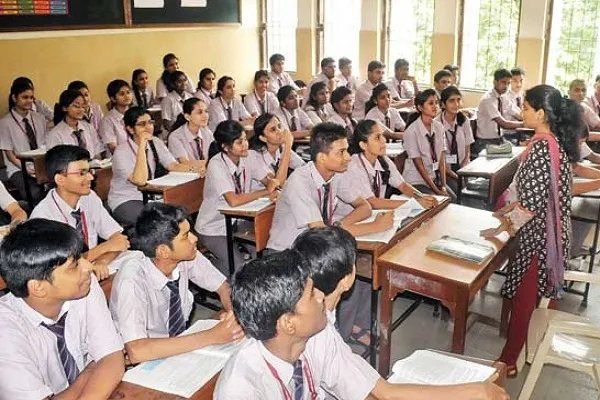
In Odisha, traditional BA, BSc, and BCom degrees are increasingly viewed as costly investments with uncertain returns, rather than reliable pathways to employment. This shift is evident in official admission data: over 80,000 undergraduate seats remained vacant in 2025–26, and at least 10 colleges reported zero first-year admissions. Meanwhile, teacher-training programs like BEd and MEd are running near full capacity, reflecting a clear pivot toward job-oriented education.
Decline in UG Demand
Out of a sanctioned capacity of 2.77 lakh UG seats, 81,664 remained vacant in 2025–26, up from over 74,000 the previous year.
Many colleges, especially in arts, science, and non-professional streams, are struggling to attract students due to low perceived value, remote locations, limited facilities, or poor reputation.
Reasons Students Are Shunning Traditional Degrees
Low Return on Investment: Students increasingly view general degrees as offering limited job prospects, prompting many to pursue alternatives such as CA, professional diplomas, or skill-based courses.
Oversupply vs. Falling Demand: New seats continue to be added—4,000–5,000 annually—while student interest declines. In 2024–25, 12 new colleges opened despite high vacancies.
Rising Popularity of Teacher-Training Programs
BEd and MEd courses are oversubscribed, with more than 1.26 lakh applicants for fewer than 3,000 BEd seats in a year.
Teaching is perceived as a stable, respected career with government employment prospects, outweighing current challenges like protests for pay and regularisation.
Structural Challenges
Odisha universities and colleges face severe faculty shortages, with over 1,000 teaching posts vacant in state universities alone.
Experts warn this affects teaching quality and student experience, creating a feedback loop where lower quality drives fewer admissions.
This trend underscores a decisive shift among students toward professional and job-oriented education, as traditional undergraduate programs struggle to maintain relevance in today’s competitive job market.
National Testing Agency ପକ୍ଷରୁ NEET-UG 2026 ପୁନଃପର...
ସିବିଏସଇ (CBSE) ଦ୍ୱାଦଶ ଶ୍ରେଣୀ ପରୀକ୍ଷାର ଫଳାଫଳ ପରେ ରି...
ଡିଜିଟାଲ୍ ପେମେଣ୍ଟ୍ କମ୍ପାନୀ ପେଟିଏମ୍ର ଶେୟର ଦର ଆଜି ଶେୟ...

ଖାଦ୍ୟ ସୁରକ୍ଷା ଓ ସ୍ୱଚ୍ଛତାକୁ ସର୍ବୋଚ୍ଚ ପ୍ରାଥମିକତା ଦେଇ...

ବର୍ତ୍ତମାନ ସମୟରେ ସ୍ମାର୍ଟଫୋନ୍ ବିନା ଜୀବନ କଳ୍ପନା କରିବା...
ନିଟ୍-ୟୁଜି ୨୦୨୬ ପୁନଃପରୀକ୍ଷାକୁ ନେଇ ଚର୍ଚ୍ଚା ମଧ୍ୟରେ ନା...
ଆପଣ ଯଦି ୧୦ ଲକ୍ଷ ଟଙ୍କାରୁ ଅଧିକ ଦାମର କାର କିଣିଛନ୍ତି, ତ...
ସୁସ୍ଥ ଓ ସକ୍ରିୟ ଜୀବନ ପାଇଁ ସନ୍ତୁଳିତ ଖାଦ୍ୟାଭ୍ୟାସର ଭୂମ...
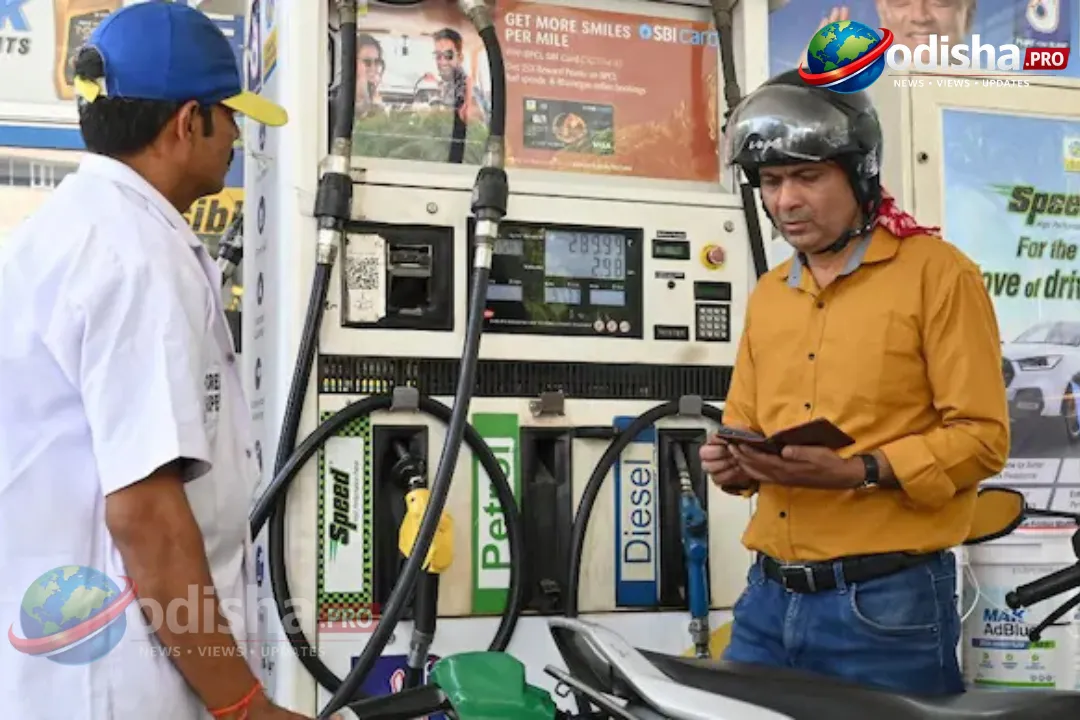
ଦେଶରେ ପୁନର୍ବାର ପେଟ୍ରୋଲ ଓ ଡିଜେଲ ଦର ବୃଦ୍ଧି ପାଇଛି। ପେ...
ଓଡ଼ିଶାର ଗଣପର୍ବ ରଜ ଆସିଲେ ଘରେ ଘରେ ଦୋଳି ଖେଳର ଉତ୍ସାହ ଦ...
ଜାତୀୟ ଯୋଗ୍ୟତା ସହ ପ୍ରବେଶିକା ପରୀକ୍ଷା (NEET-UG) 2026...

ସୌନ୍ଦର୍ଯ୍ୟ ବଢ଼ାଇବା ପାଇଁ ଆଜିକାଲି ଅନେକ ମହିଳା ଏବଂ ପୁର...