






With the arrival of the New Year, several policy and regulatory changes have come into force, reshaping financial planning, taxation, and everyday expenses for citizens across India. These updates, effective from January 1, 2026, span income tax rules, vehicle pricing, salary structures, pension benefits, and fuel costs.
One of the most critical changes is the mandatory linking of PAN with Aadhaar. From January 1, 2026, PAN cards not linked with Aadhaar will become inoperative. This could restrict individuals from filing income tax returns, opening bank accounts, claiming refunds, or conducting high-value financial transactions.
Buying a new vehicle will likely become more expensive in 2026. Several automobile manufacturers have announced price hikes, with passenger vehicle prices expected to rise by 1–3 per cent. Premium brands such as Mercedes-Benz and BMW, along with mass-market manufacturers like Honda and Nissan, are expected to implement these increases.
Central government employees and pensioners are closely watching developments related to the Eighth Pay Commission. While formal implementation is awaited, salary and pension revisions are expected to take effect from January 1, 2026, following the conclusion of the Seventh Pay Commission at the end of 2025.
The Employees’ Provident Fund Organisation (EPFO) has streamlined withdrawal norms. The earlier 13 withdrawal categories have now been reduced to three broad categories — emergency needs, housing-related purposes, and special circumstances — making the process simpler and faster for subscribers.
From 2026, income tax return (ITR) filing is expected to involve additional disclosure requirements. Meanwhile, credit score updates will occur faster, with reporting cycles reducing from 15 days to 7 days. Major banks such as SBI, PNB, and HDFC Bank are also expected to revise interest rates on loans and deposits.
Fuel prices are also set for revision in the New Year. Rates for LPG cylinders, CNG, PNG, and aviation turbine fuel (ATF) may be adjusted, directly impacting household budgets and travel costs.
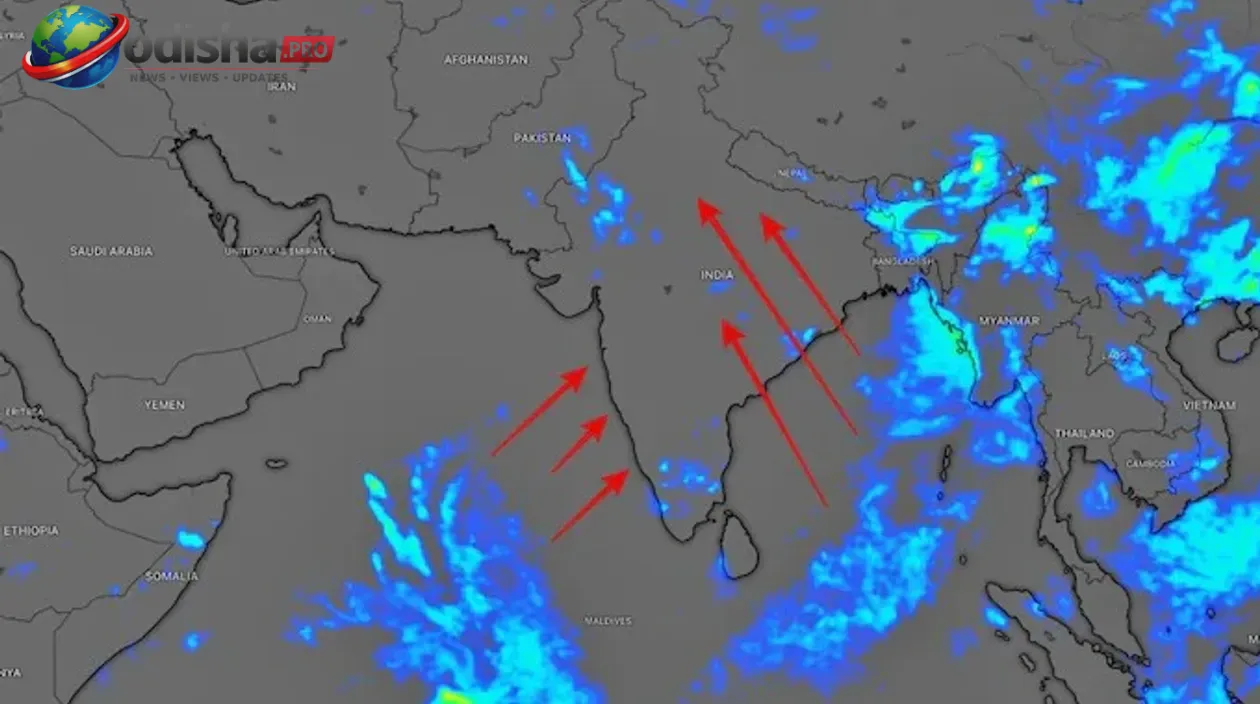
ଦକ୍ଷିଣ-ପଶ୍ଚିମ ମୌସୁମୀର ଆଗମନ ଏବଂ ପ୍ରବଳ ଗ୍ରୀଷ୍ମ ପ୍ରବା...
କାବେରୀ ନଦୀ ଉପରେ କର୍ଣ୍ଣାଟକ ସରକାର ପ୍ରସ୍ତାବ ଦେଇଥିବା ମ...
ଜାତିସଂଘ ମଞ୍ଚରେ ପାକିସ୍ତାନ ପୁଣିଥରେ ଜମ୍ମୁ-କାଶ୍ମୀର ପ୍ର...
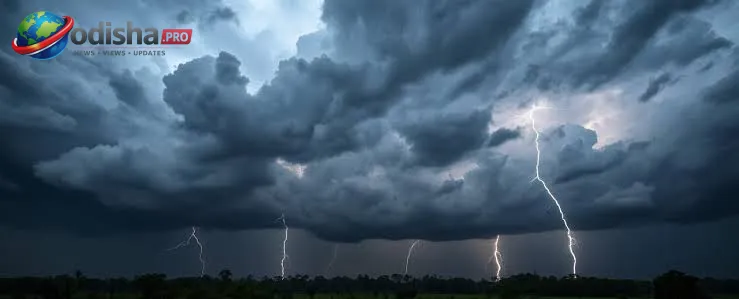
ଓଡ଼ିଶାବାସୀଙ୍କୁ ଖରା ଓ ଗରମରୁ କିଛିଟା ଆଶ୍ୱସ୍ତି ମିଳିବାକ...
ଭାରତରେ ଦକ୍ଷିଣ-ପଶ୍ଚିମ ମୌସୁମୀ ବାୟୁ ଜୁନ୍ ୪ ତାରିଖରେ ପ୍...
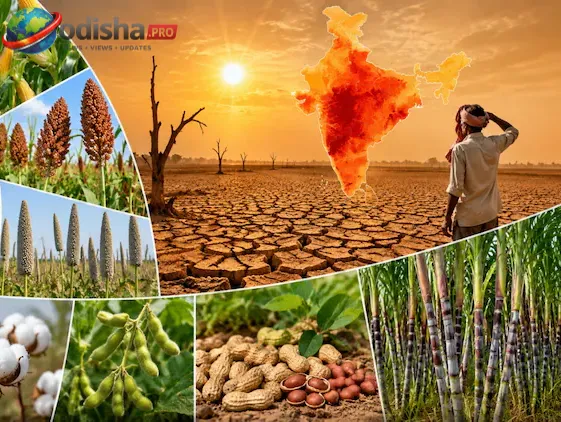
ଆସନ୍ତା ଖରିଫ ଋତୁକୁ ଦୃଷ୍ଟିରେ ରଖି କେନ୍ଦ୍ର ସରକାର ଏଲ୍ ନ...
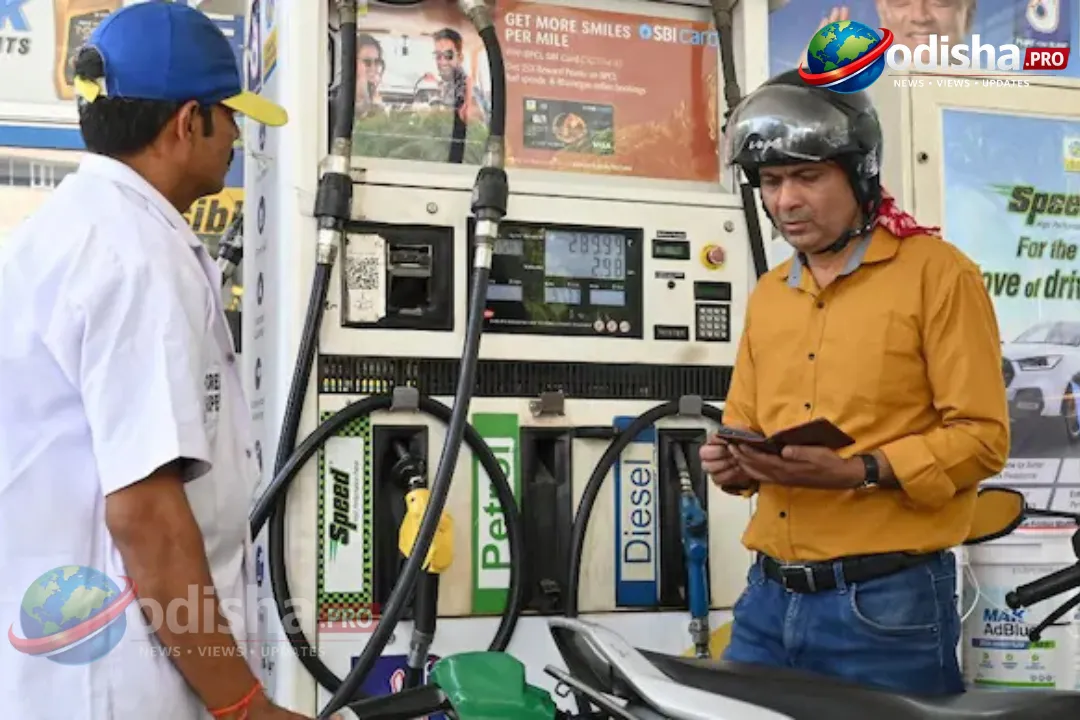
ଦେଶରେ ପୁନର୍ବାର ପେଟ୍ରୋଲ ଓ ଡିଜେଲ ଦର ବୃଦ୍ଧି ପାଇଛି। ପେ...

ରାଜ୍ୟରେ ଲାଗି ରହିଥିବା କାଳବୈଶାଖୀଜନିତ ବର୍ଷା, ଘଡ଼ଘଡ଼ି...
ନାଇଜରର ରାଜଧାନୀ ନିଆମେସ୍ଥିତ ଡିଓରି ହାମାନି ଅନ୍ତର୍ଜାତୀୟ...
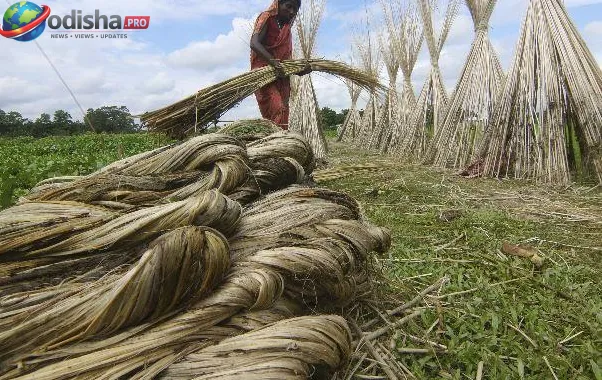
ଓଡ଼ିଶାର ଗଣପର୍ବ ରଜ ଆସିଲେ ଘରେ ଘରେ ଦୋଳି ଖେଳର ଉତ୍ସାହ ଦ...