



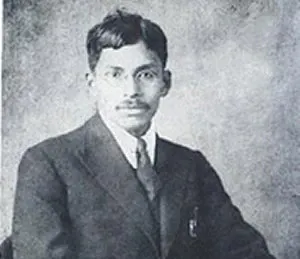
Meghnad Saha (1893–1956) is remembered as one of India’s greatest scientists — the mind who unlocked the secrets of stars. His revolutionary work in astrophysics, particularly the Saha ionization equation, laid the foundation for modern stellar spectroscopy. Through this, scientists could determine the temperature, composition, and pressure of stars just by studying their spectra.
Despite his groundbreaking contributions, Saha never won a Nobel Prize. Yet his influence on 20th-century astrophysics remains undeniable.
Saha’s most celebrated achievement is the Saha ionization formula, which mathematically describes how atoms in stars ionize at varying temperatures. This allowed astronomers to:
Predict spectral lines
Understand stellar temperatures
Determine chemical composition
It bridged physics and astronomy in a way that was unprecedented at the time.
Saha was nominated for the Nobel Prize in Physics five times between the 1930s and 1940s. His nominations recognized:
Work in astrophysics
Stellar spectroscopy contributions
Innovations in theoretical physics
Despite repeated recognition, geopolitical factors, limited visibility in Europe, and the overshadowing of global science networks likely contributed to him missing the award.
Saha was more than an astrophysicist. His career spanned academia, institution building, and public service:
Founder of the Institute of Nuclear Physics, Kolkata
Introduced modern physics education in India
Advocated for scientific planning and industrial development
Served in advisory roles for Indian government policies
His vision extended beyond research — he wanted India to develop a strong scientific infrastructure.
Today, Meghnad Saha is celebrated as a scientific genius who decoded the stars. His work continues to influence:
Stellar physics
Nuclear physics
Space research
Physics education in India
Although a Nobel Prize eluded him, Saha’s intellectual legacy shines brighter than awards.
Meghnad Saha exemplifies brilliance and perseverance. Even without the Nobel, his ideas shaped generations of astronomers and physicists, reminding us that true impact often transcends recognition.
ସମସ୍ତ କୃଷି ଅଧିକାରୀଙ୍କ ଛୁଟି ବାତିଲ ସମ୍ଭାବ୍ୟ ବାତ୍ୟ...

ଯାତ୍ରା ପାଇଁ ଗଲା ୧.୬୩ ବିଲିୟନ ଡଲାର ଅଗଷ୍ଟରେ LRS ଅଧ...
ବିପଦପ୍ରବଣ ଅଞ୍ଚଳରୁ ଲୋକଙ୍କୁ ସ୍ଥାନାନ୍ତର ଉପରେ ଗୁରୁତ୍ୱ...

ଭାରତ କାହିଁକି ବଡ଼ ଟାର୍ଗେଟ୍? ମାଇକ୍ରୋସଫ୍ଟର ୨୦୨୬ ଡି...
ବଙ୍ଗୋପସାଗରରେ ସୃଷ୍ଟି ହୋଇଥିବା ସୁସ୍ପଷ୍ଟ ଲଘୁଚାପ କ୍ରମଶଃ...
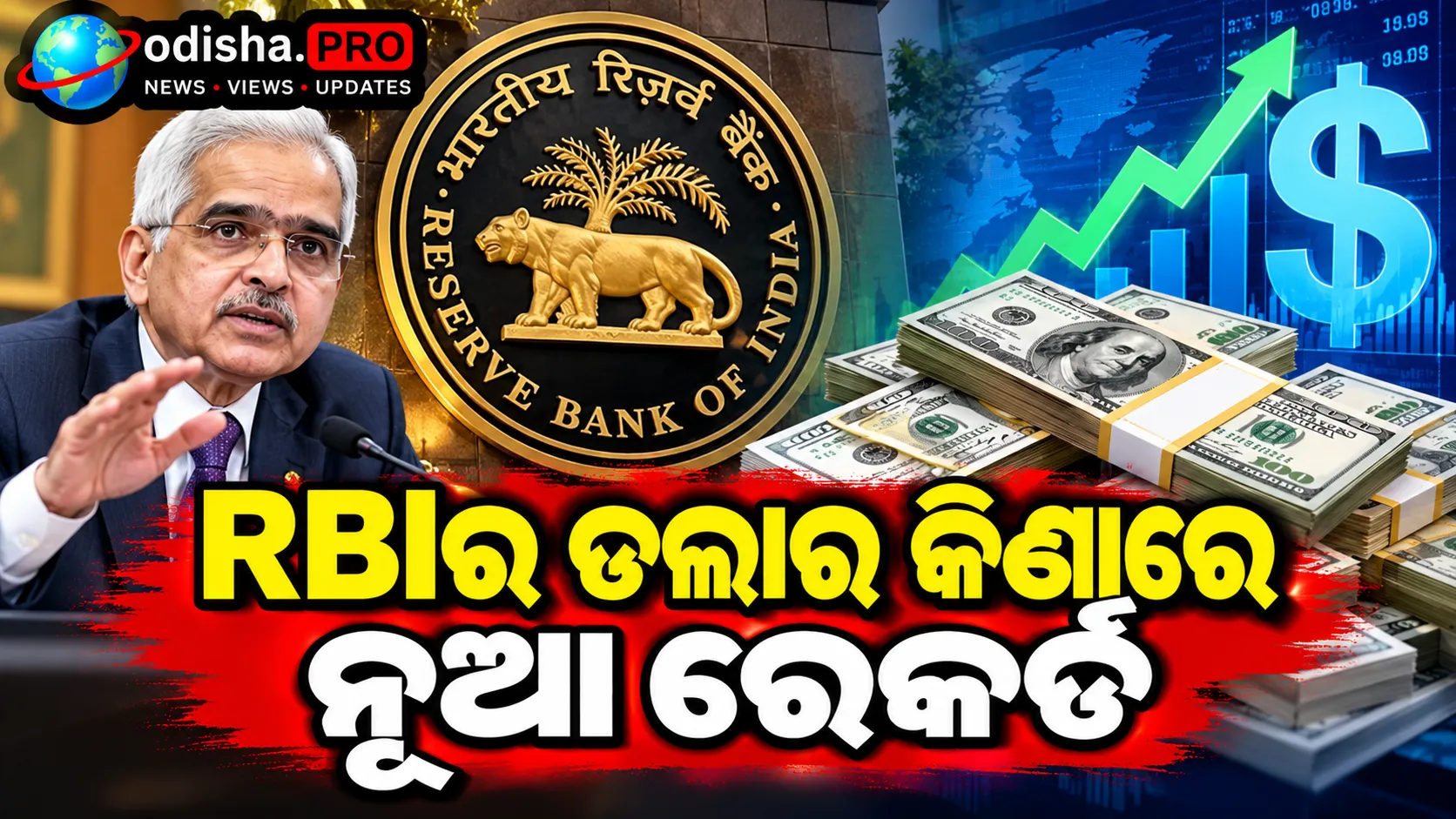
ଅଗଷ୍ଟରେ କେତେ ଡଲାର କିଣିଲା RBI? RBIର ମାସିକ ବୁଲେଟି...
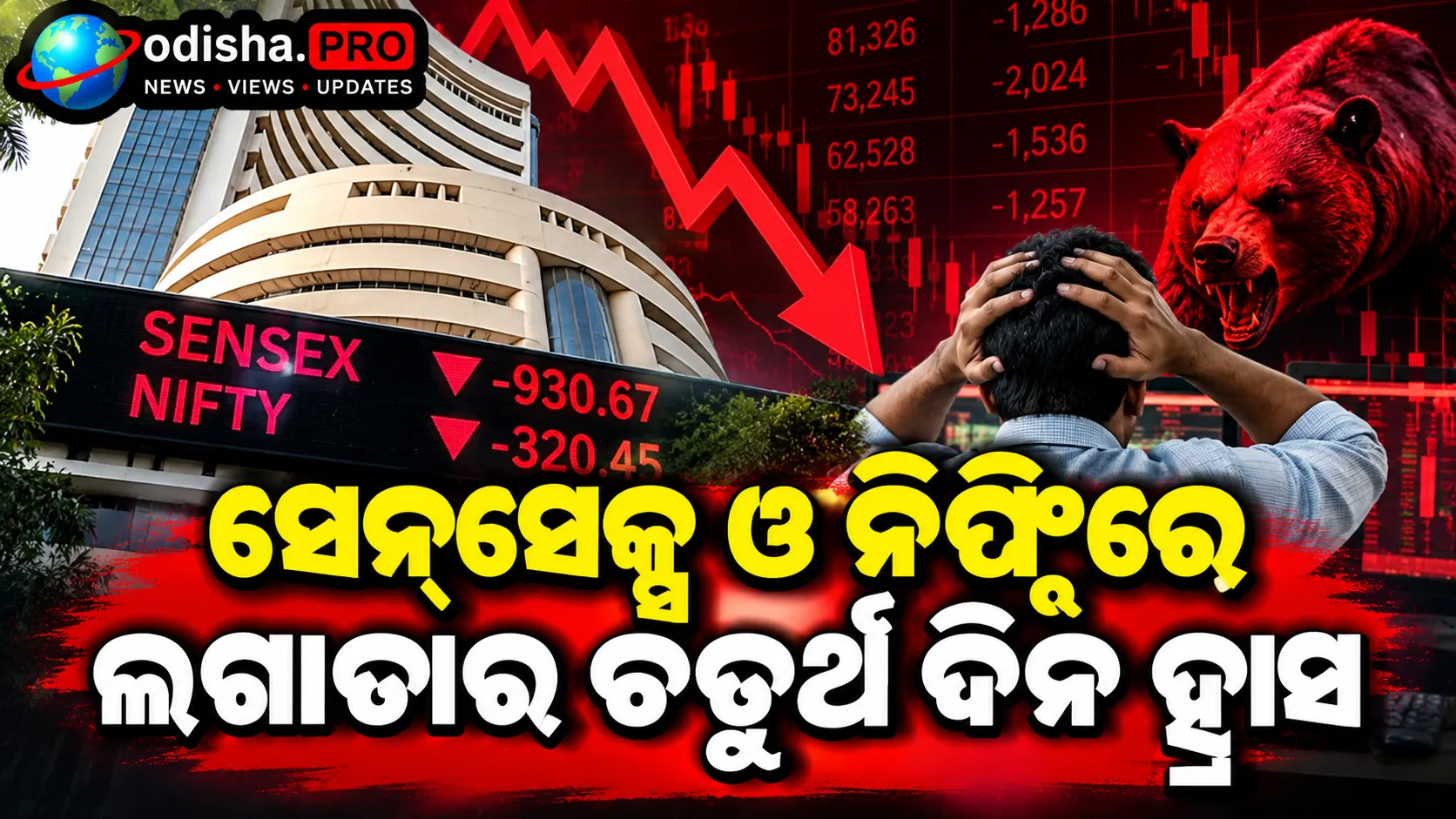
ସେନ୍ସେକ୍ସ ଓ ନିଫ୍ଟିରେ ଲଗାତାର ଚତୁର୍ଥ ଦିନ ହ୍ରାସ ଶୁ...
୧୩୦ ସାଇକ୍ଲୋନ୍ ସେଲ୍ଟରରେ ମହଜୁଦ ରହିବ ଜରୁରୀ ସାମଗ୍ରୀ...
